History
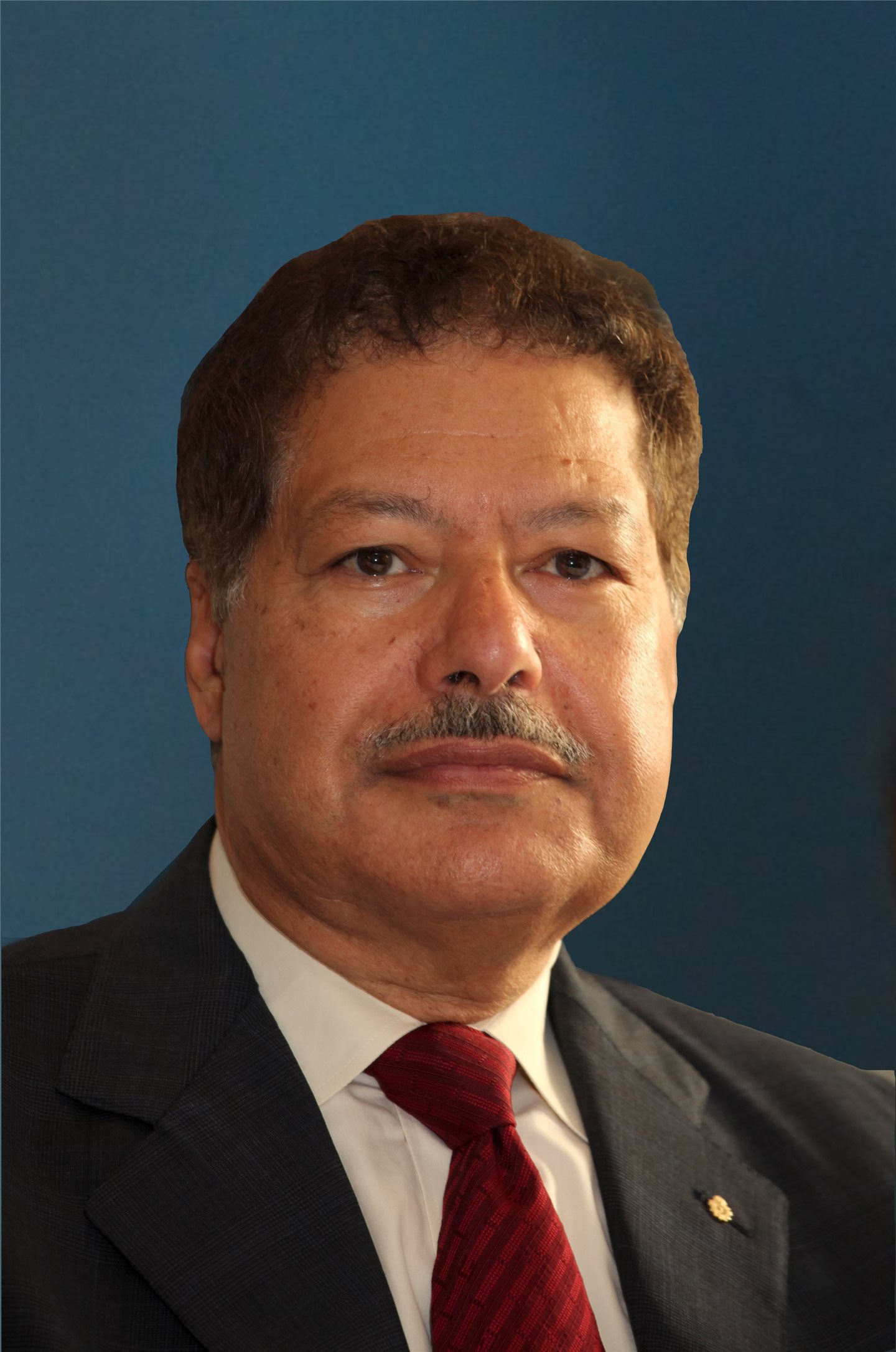
Ahmed Zewail: making chemical change observable
How a Caltech laboratory opened a window onto molecular motion, and why instruments and collaboration matter to the story.
How a Caltech laboratory opened a window onto molecular motion, and why instruments and collaboration matter to the story.
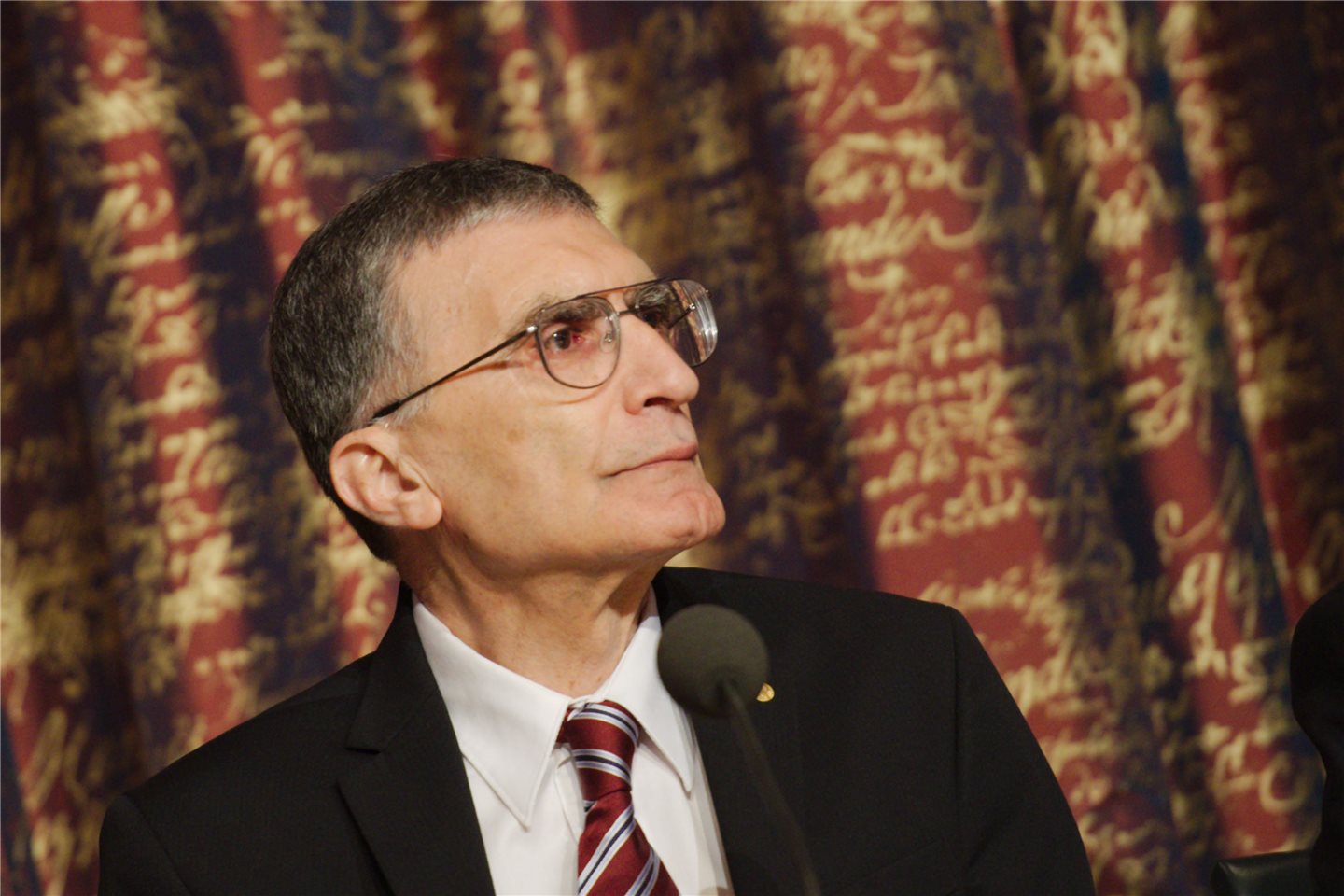
A North Carolina research career reveals how basic science, teaching, and cultural exchange can reinforce one another.
A New Jersey congregation’s zoning dispute produced permission to build and changes to local religious-land-use procedures.
Bilqis Abdul-Qaadir, the campaign to change basketball’s headgear rule, and her later coaching work.
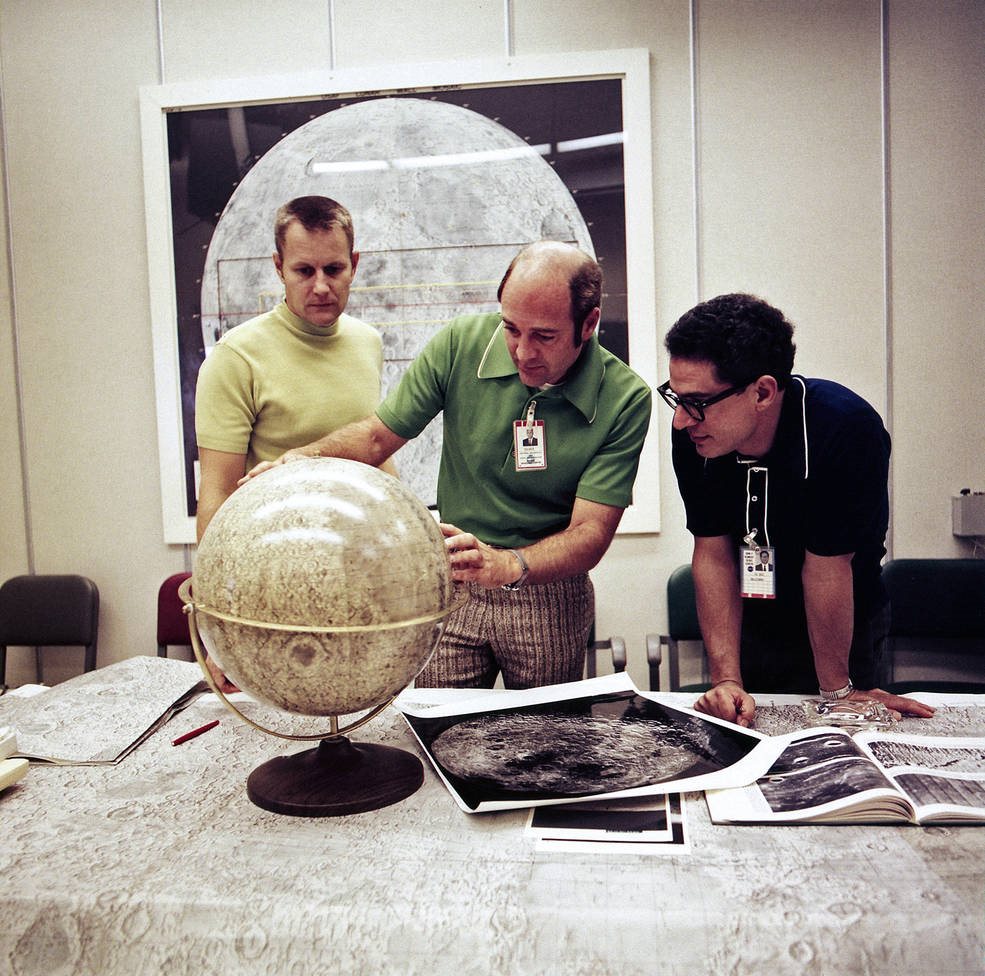
NASA training photographs reveal a geologist’s contribution to Apollo and a later career applying space observations on Earth.
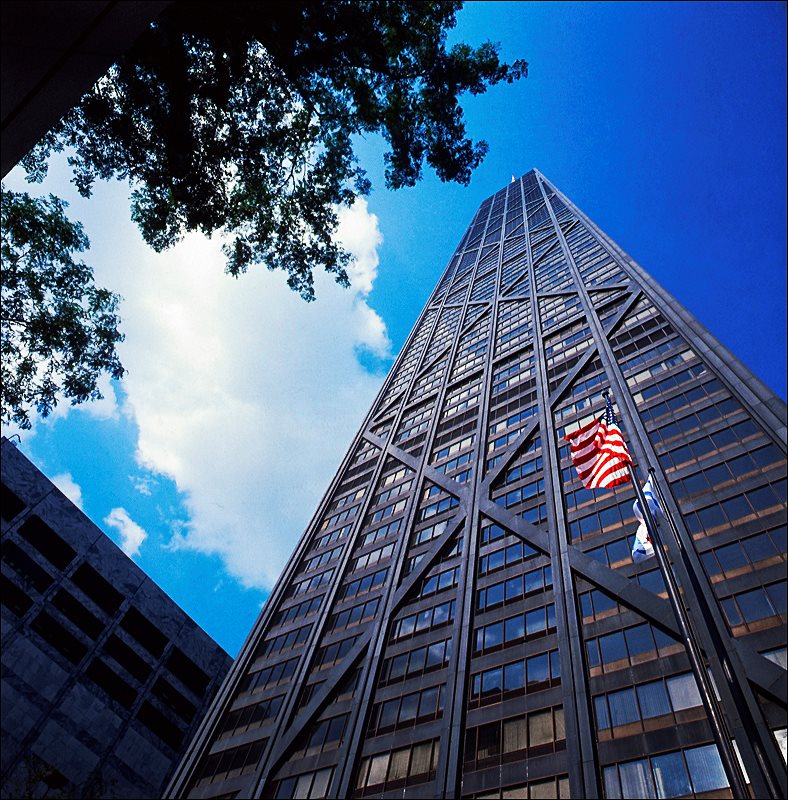
Read Chicago’s towers through their structural systems, with credit to Khan, Bruce Graham, and the teams who built them.
New Jersey Muslim plaintiffs challenged NYPD surveillance and secured a court ruling allowing their claims to proceed, followed by a negotiated settlement.
Holt v. Hobbs tested whether a prison could justify denying one Muslim prisoner a limited religious accommodation.
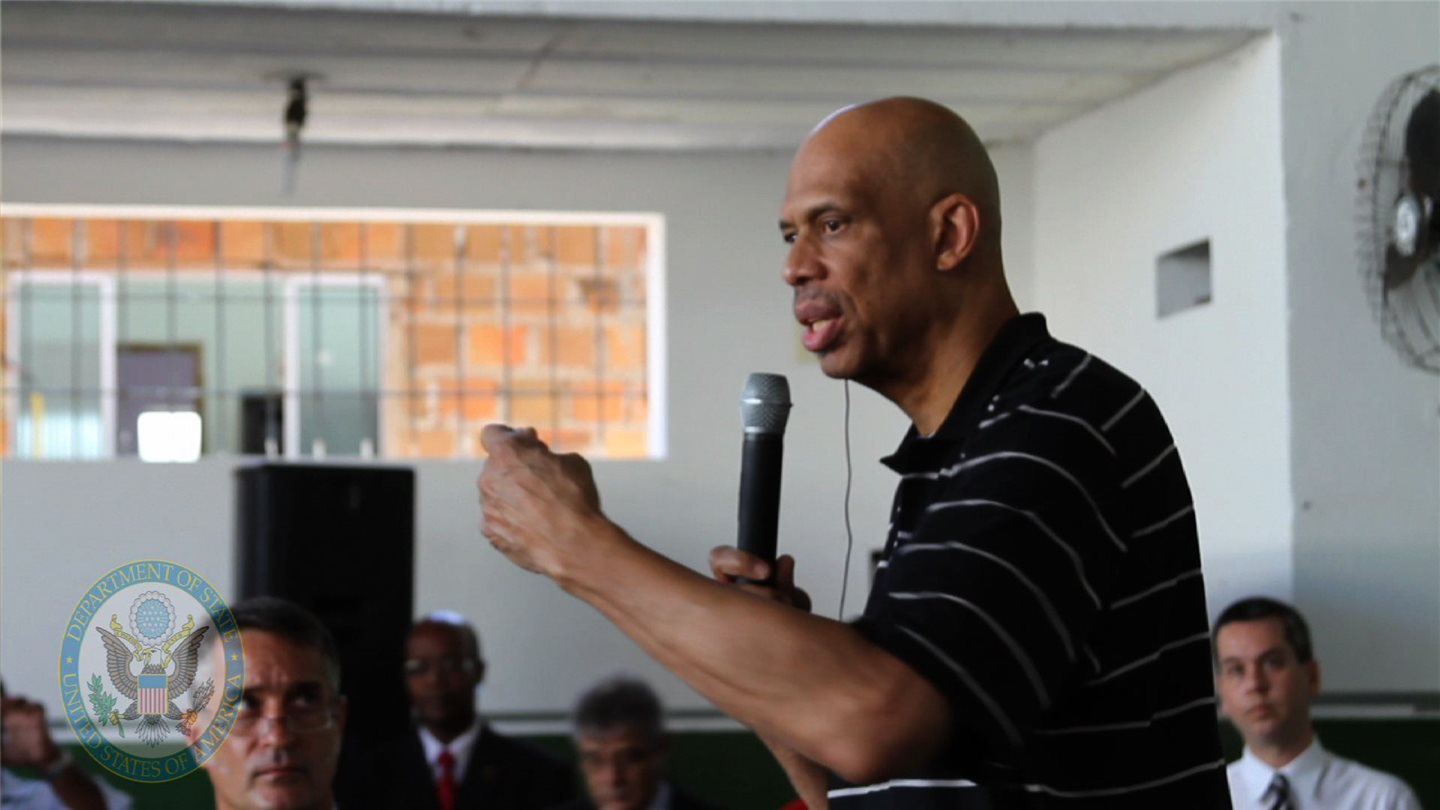
Kareem Abdul-Jabbar’s outdoor education work, public identity, and partnerships beyond basketball.
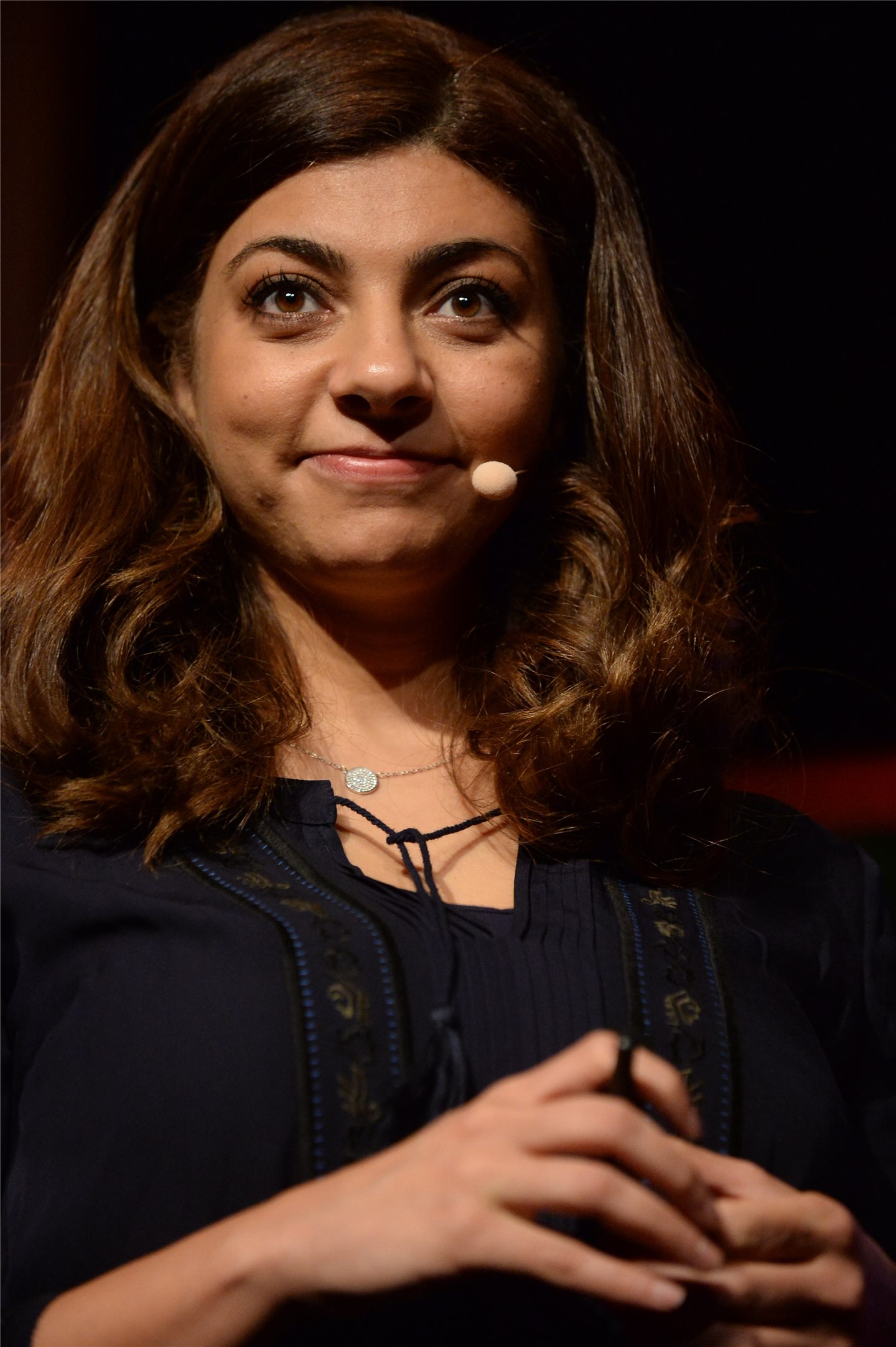
A Massachusetts research and business story about facial analysis, context, consent, and the limits of technological claims.
Five histories connect public argument, job access, prison religious exercise, mosque zoning, and challenges to surveillance.
Five routes into Muslim American history through manuscripts, community institutions, migration, and the work of preserving public memory.
A Tulsa teenager’s hiring case changed how the Supreme Court explained religious accommodation under federal employment law.
Five stories connect laboratories, skyscrapers, space exploration, and computing through the work of Muslim American scientists and engineers.
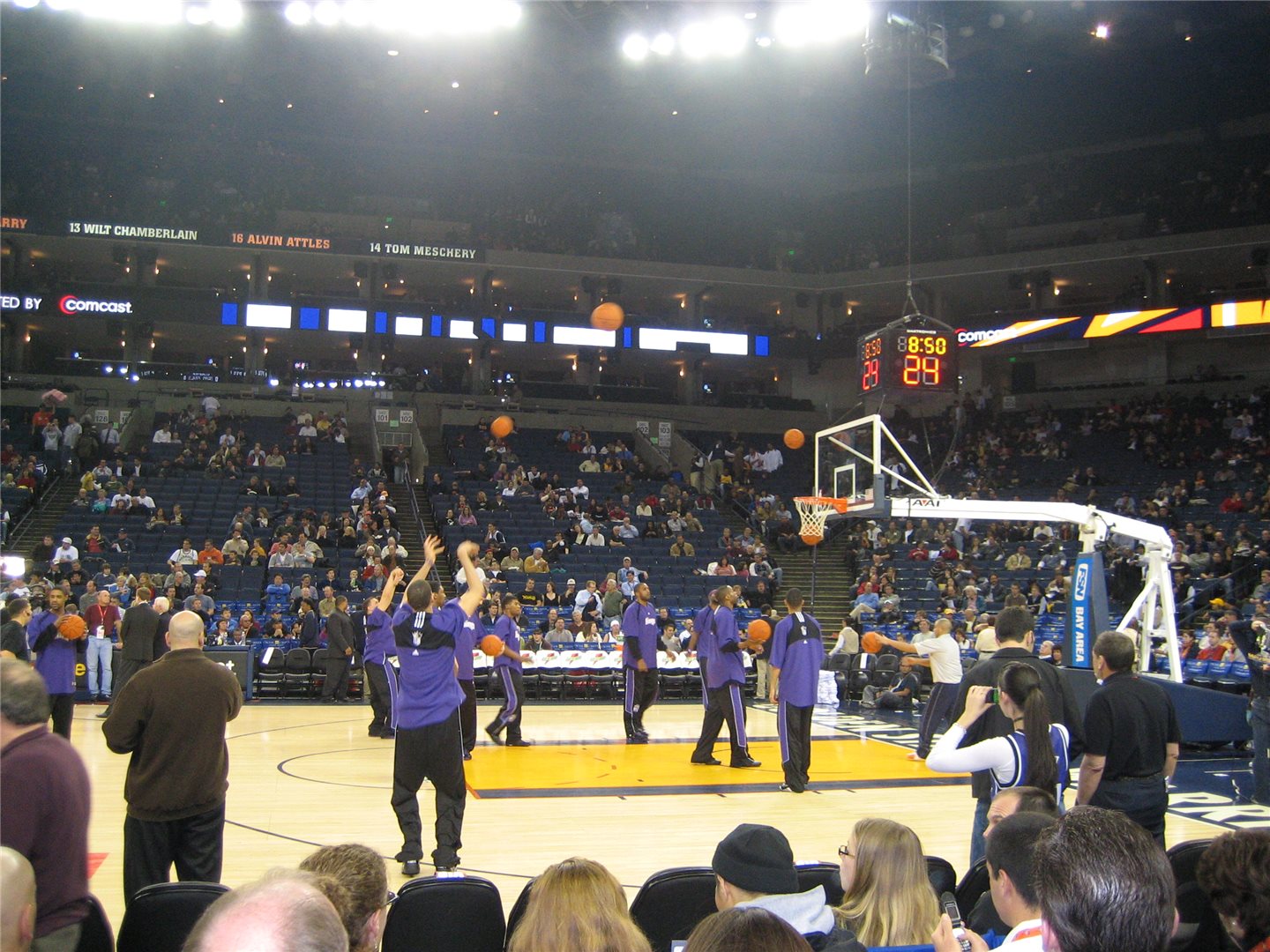
The Atlanta student-support organization founded by Shareef, Delicia, and Qaadirah Abdur-Rahim, with current hiatus context.
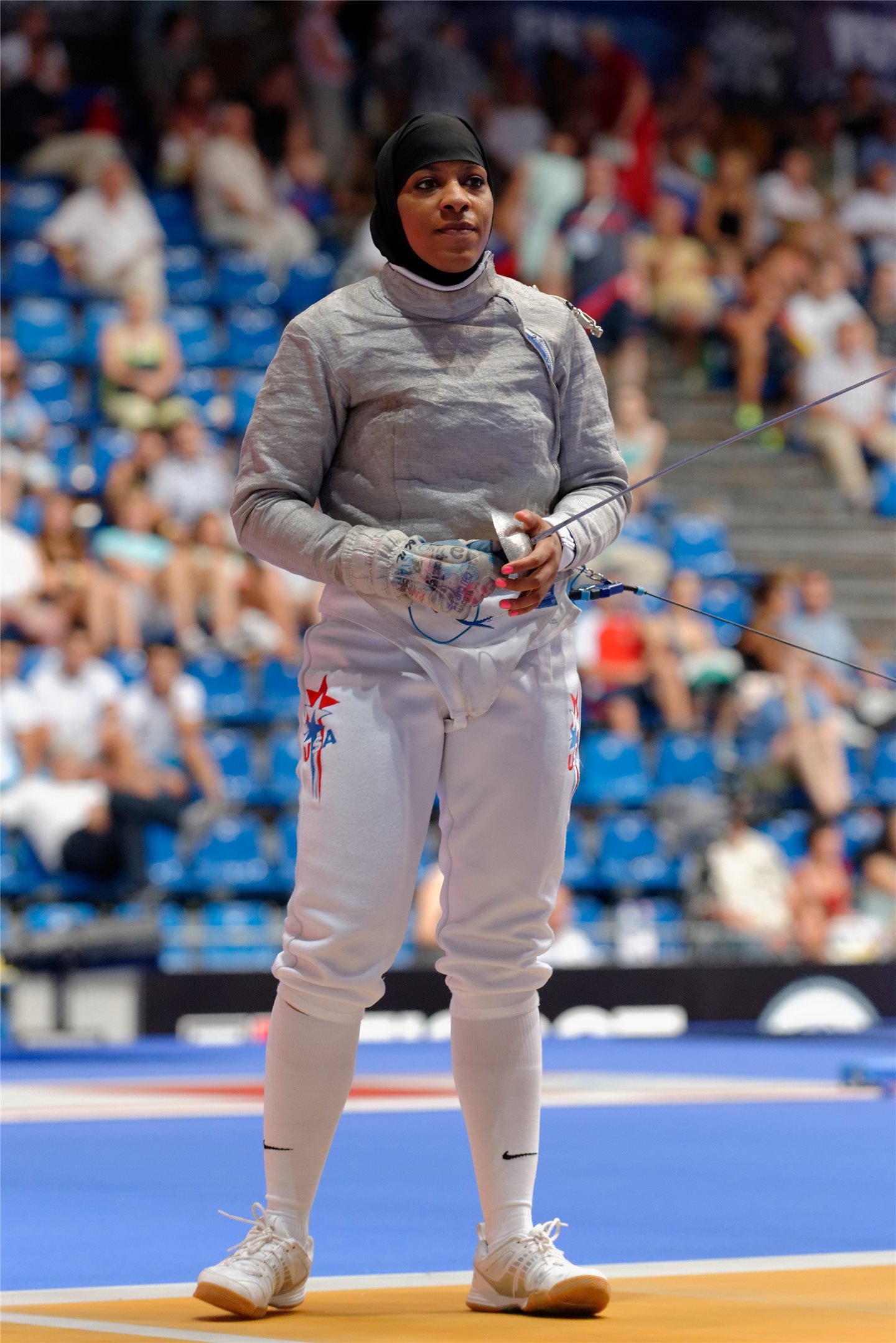
Five Muslim American sporting stories connecting achievement with public voice, participation, coaching, and education.
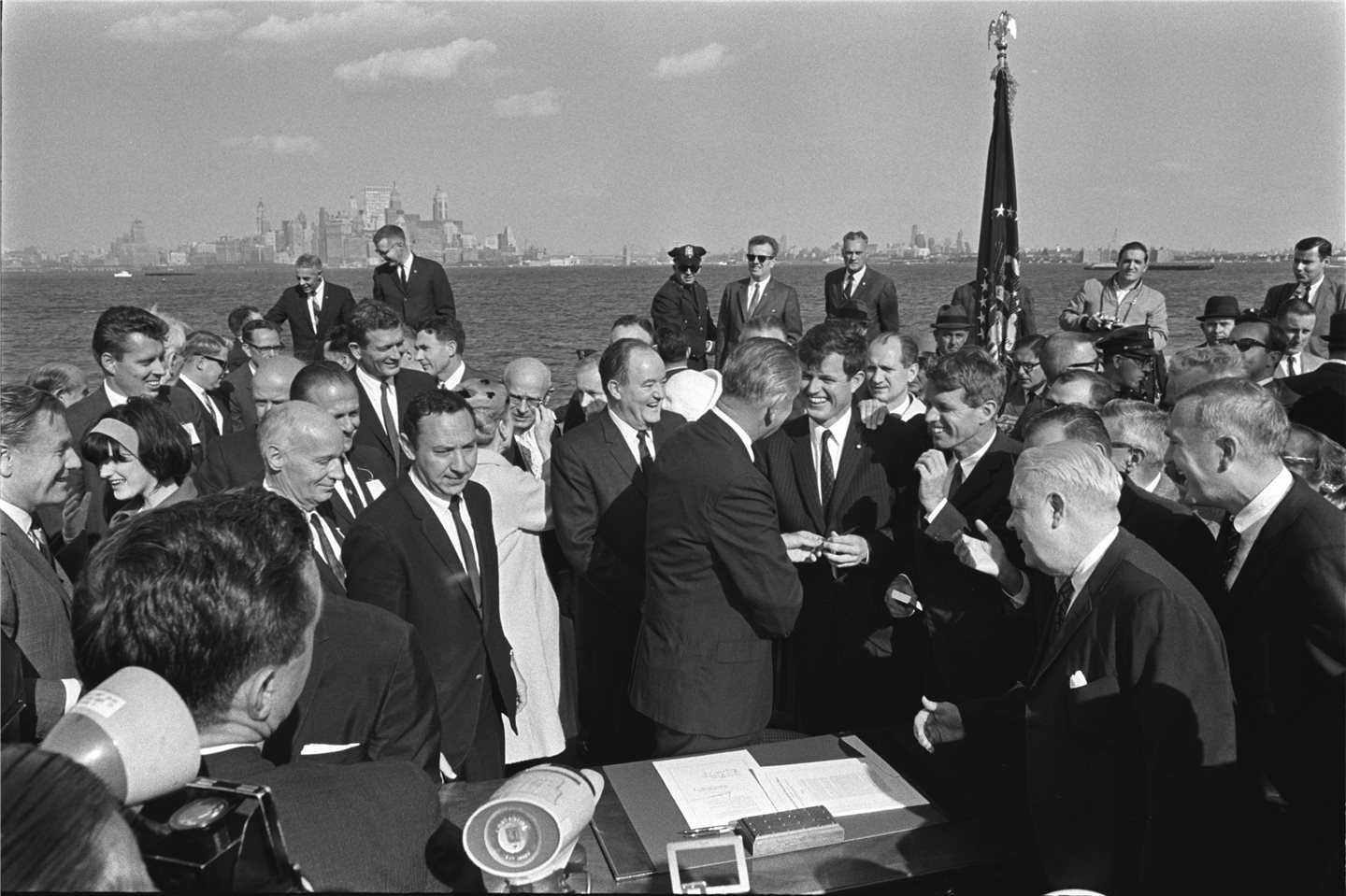
Family reunification, professional migration, and institutions that grew across generations.
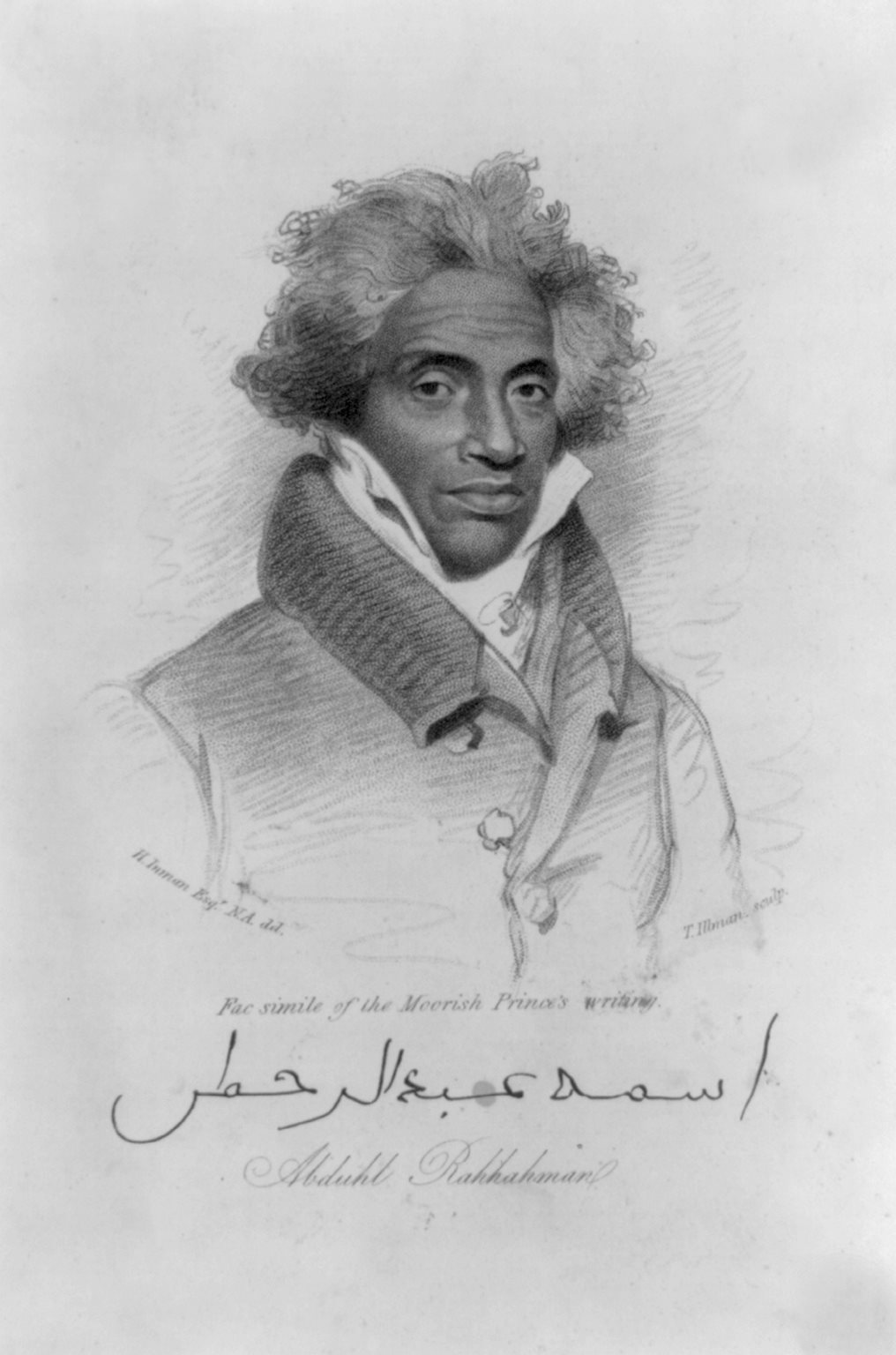
A West African scholar and military leader, his wife Isabella, and the struggle to leave slavery.
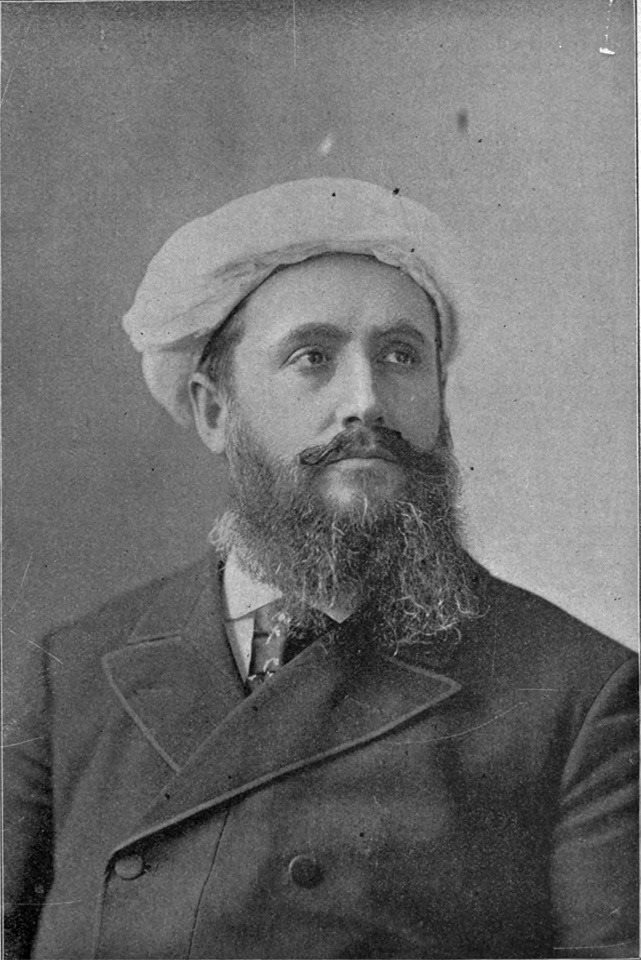
A journalist, a Chicago address, and an ambitious nineteenth-century Muslim publishing project.
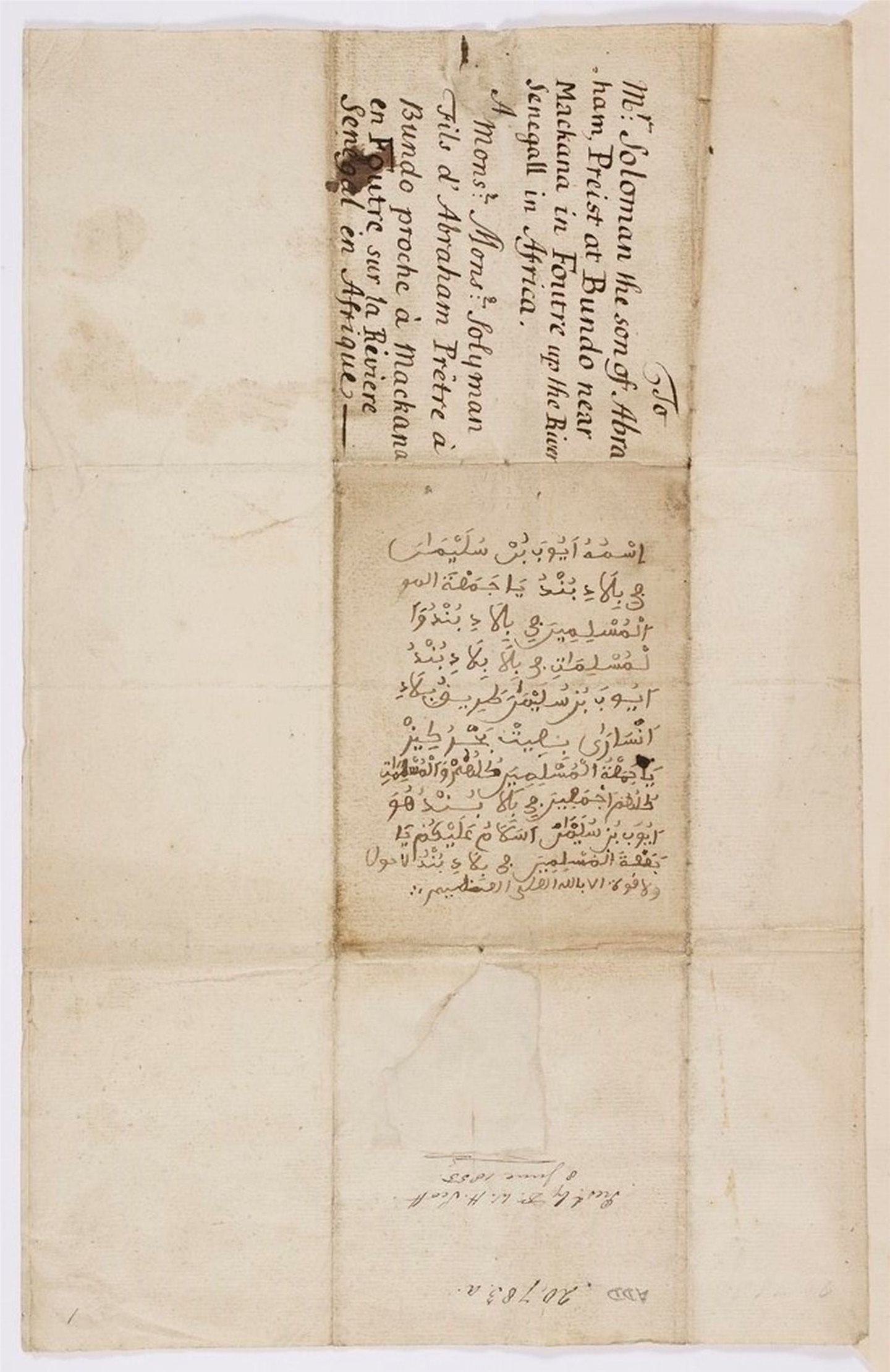
Follow the surviving portrait, biography, and correspondence of Ayuba Suleiman Diallo across the Atlantic.
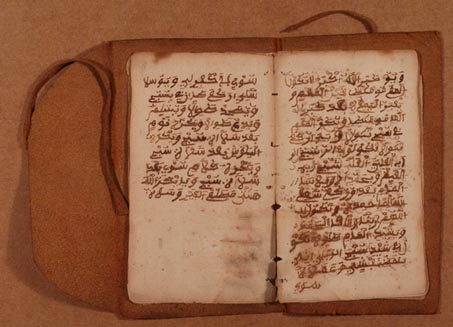
A guide to Bilali Mohammed, his surviving Arabic manuscript, and the family memories recorded on Georgia’s coast.
Explore the former Workmen’s Circle building that became Temple No. 1 and later Masjid Wali Muhammad.
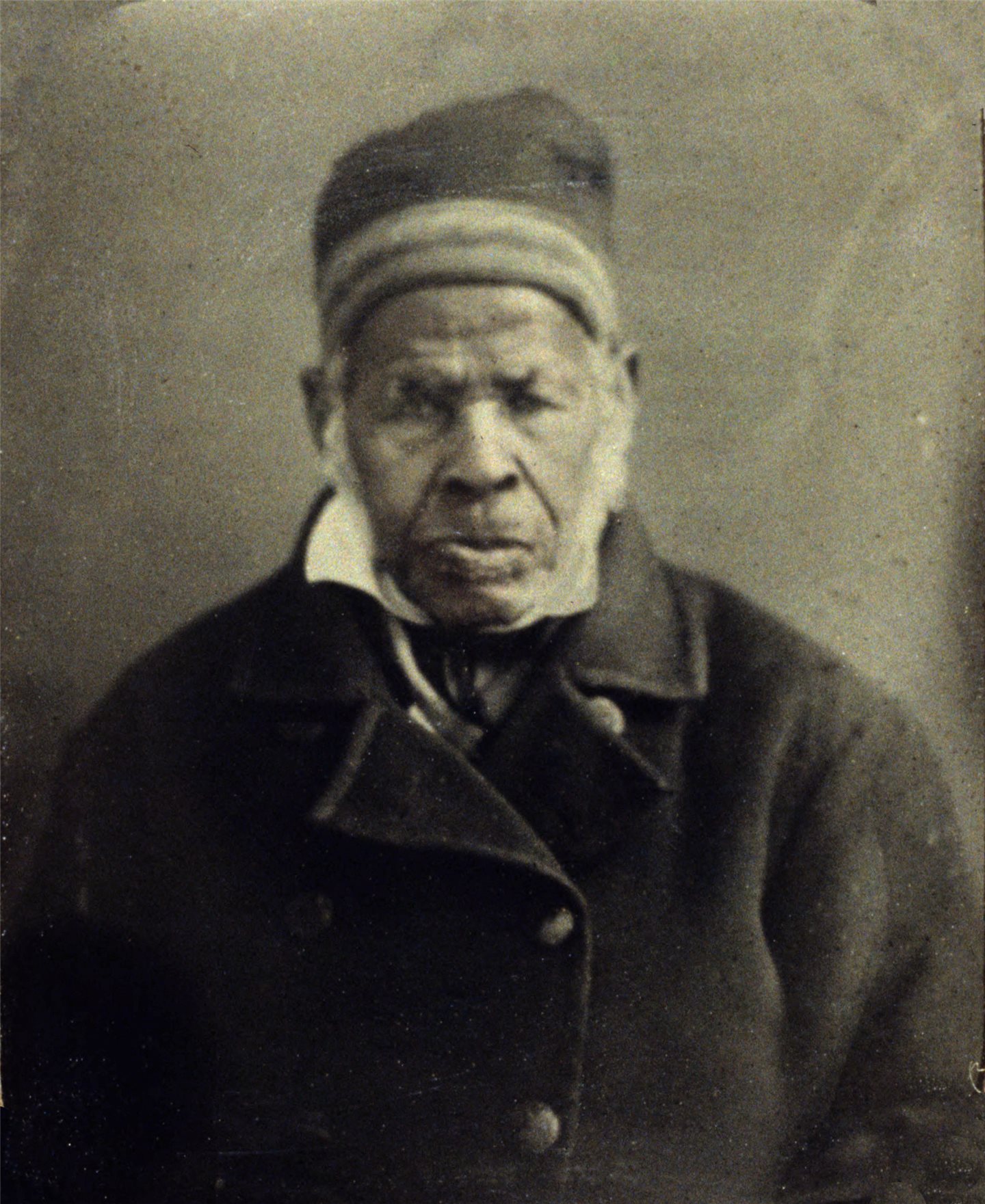
The West African lives and American experiences behind surviving manuscripts and family memories.
Follow Ibtihaj Muhammad’s Rio team bronze and the picture book she made with S. K. Ali and Hatem Aly.
From meetings in a cleaner's shop to a congregation preserving its own history.
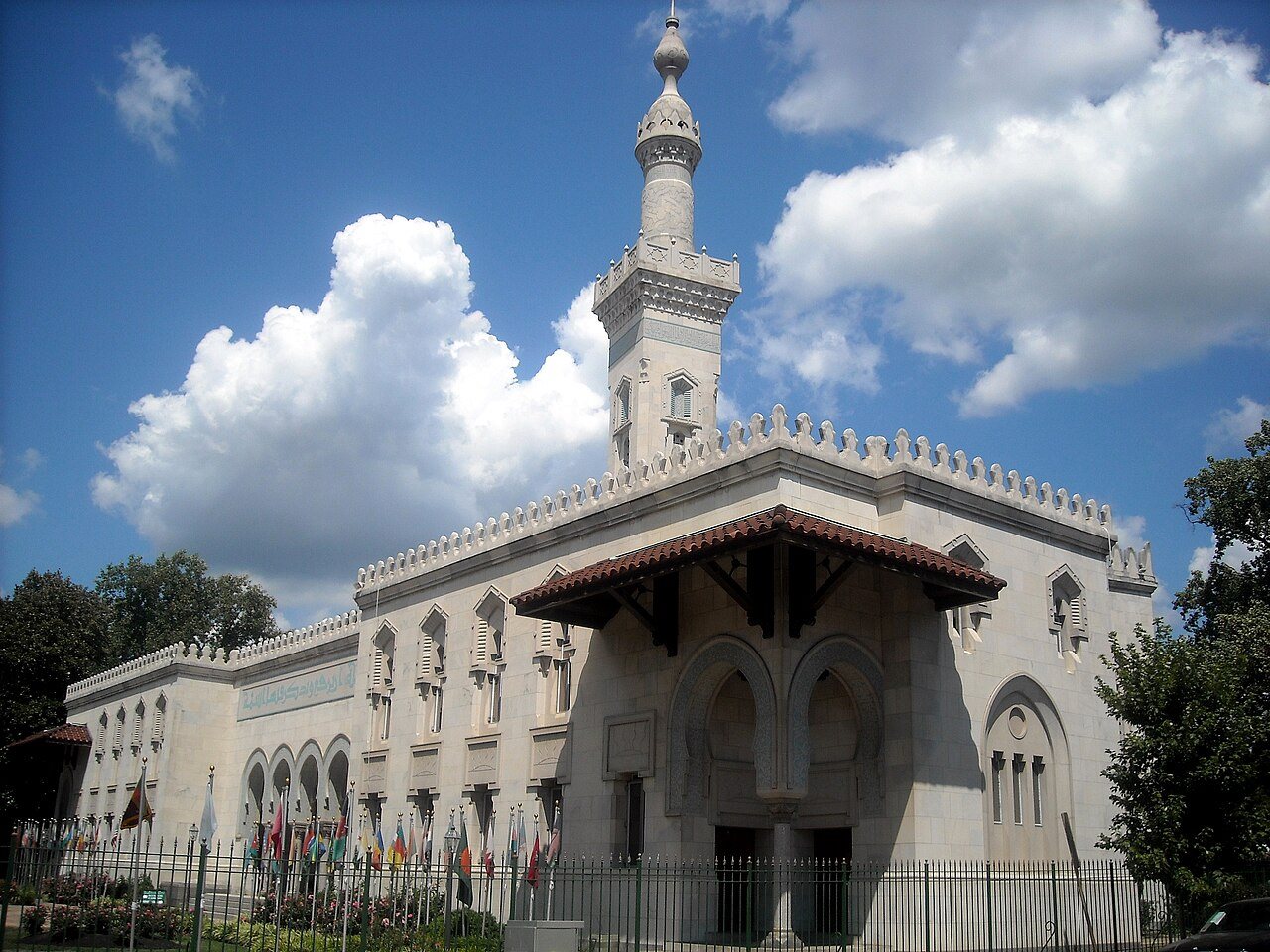
Explore the architecture, diplomatic setting, and archival record of Washington’s Islamic Center.
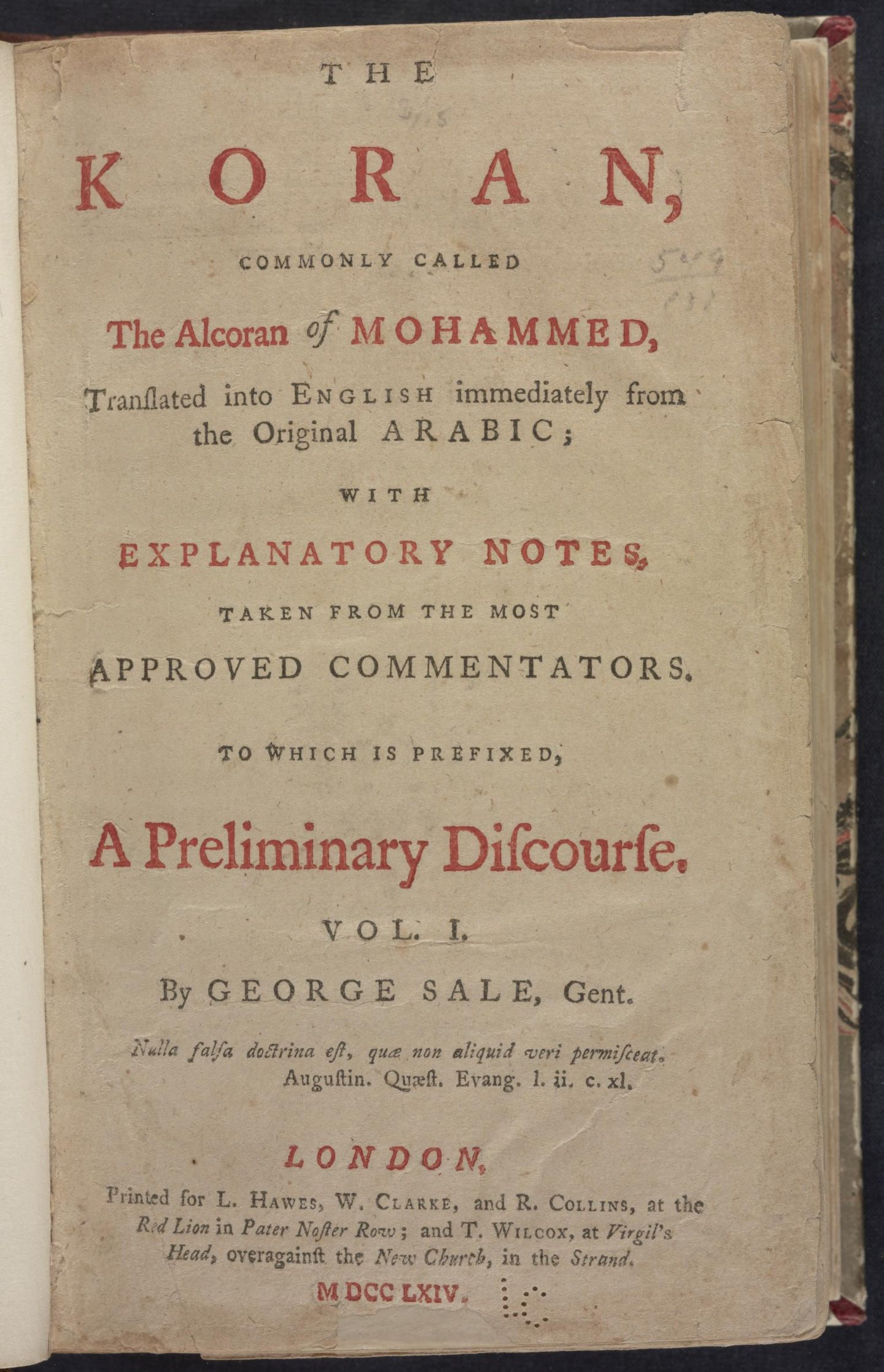
Trace Jefferson’s 1764 English Qur’an through its purchase, library history, and later public use.
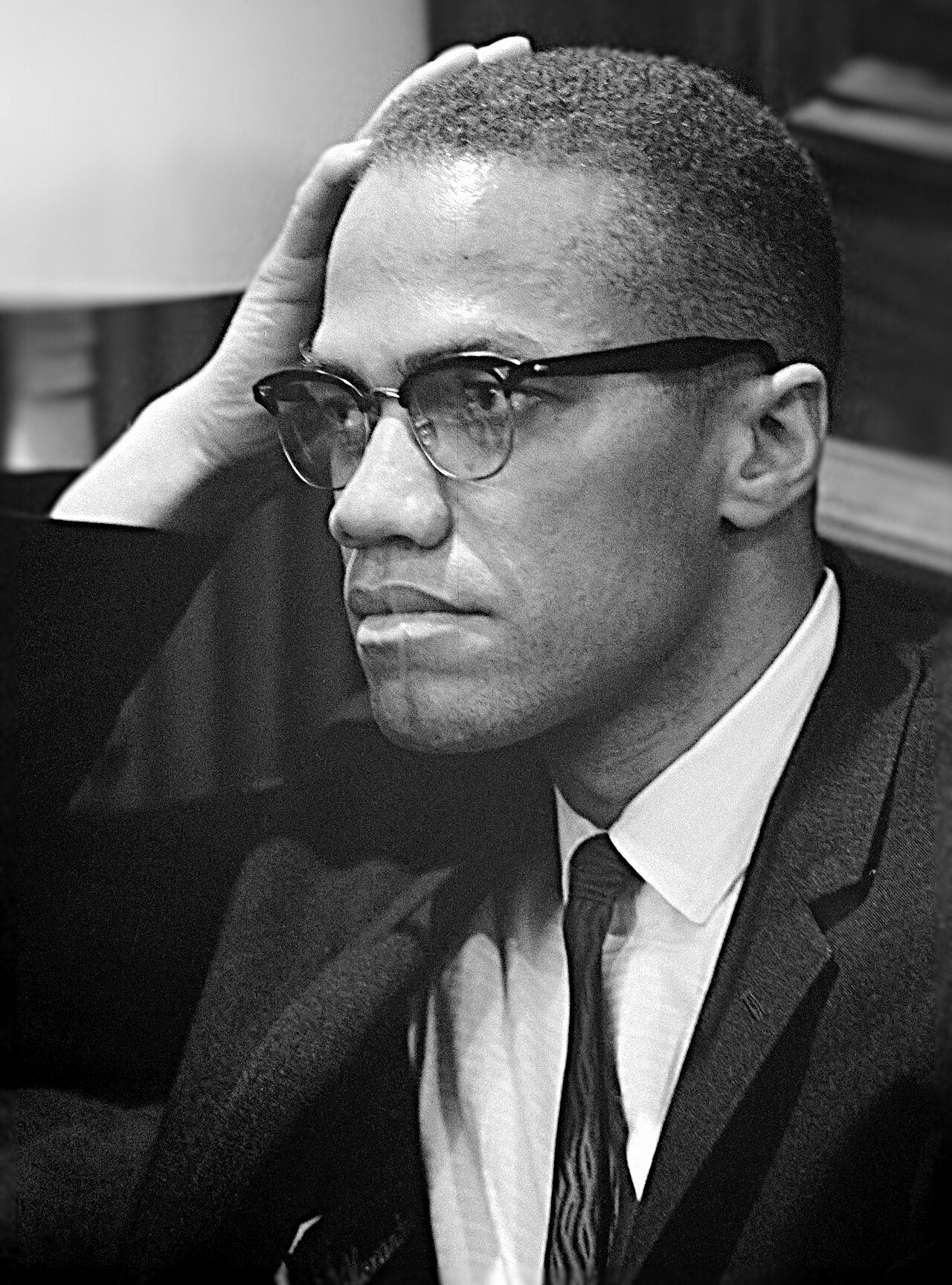
Follow Malcolm X’s family roots, Nation of Islam work, 1964 transformation, and surviving places and records.
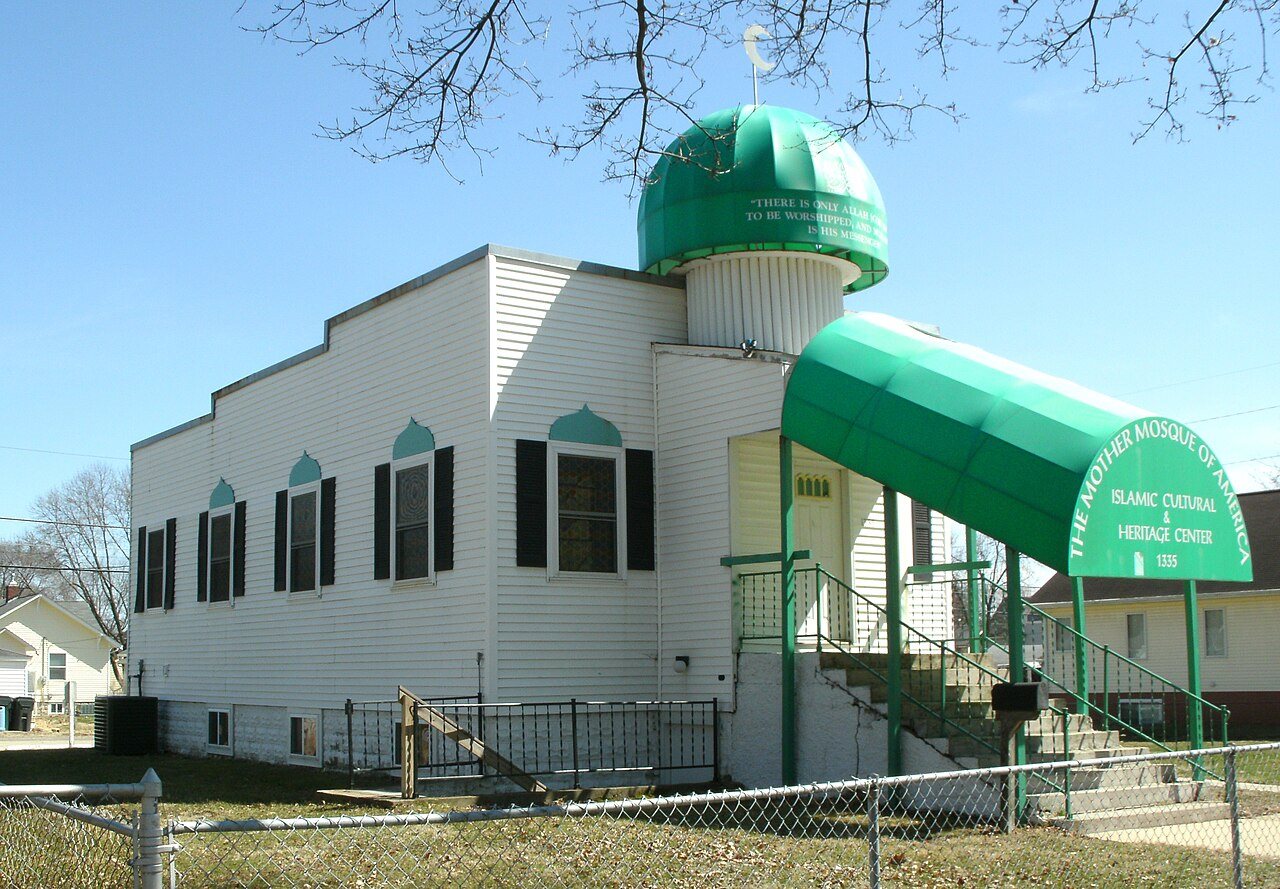
Explore the Cedar Rapids building, its restoration, and the community history behind a national landmark.
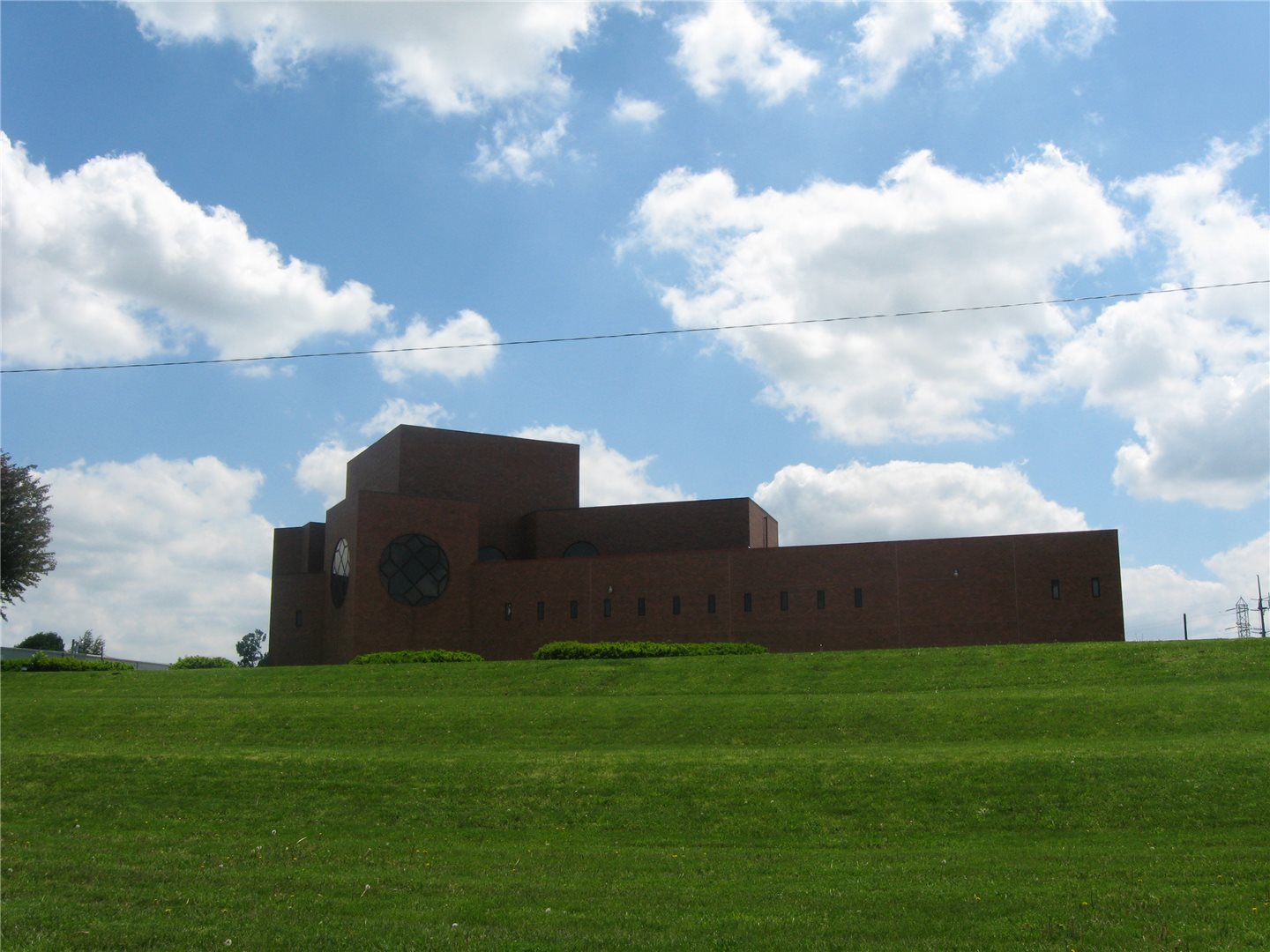
The student networks and Indiana institution behind the emergence of ISNA.
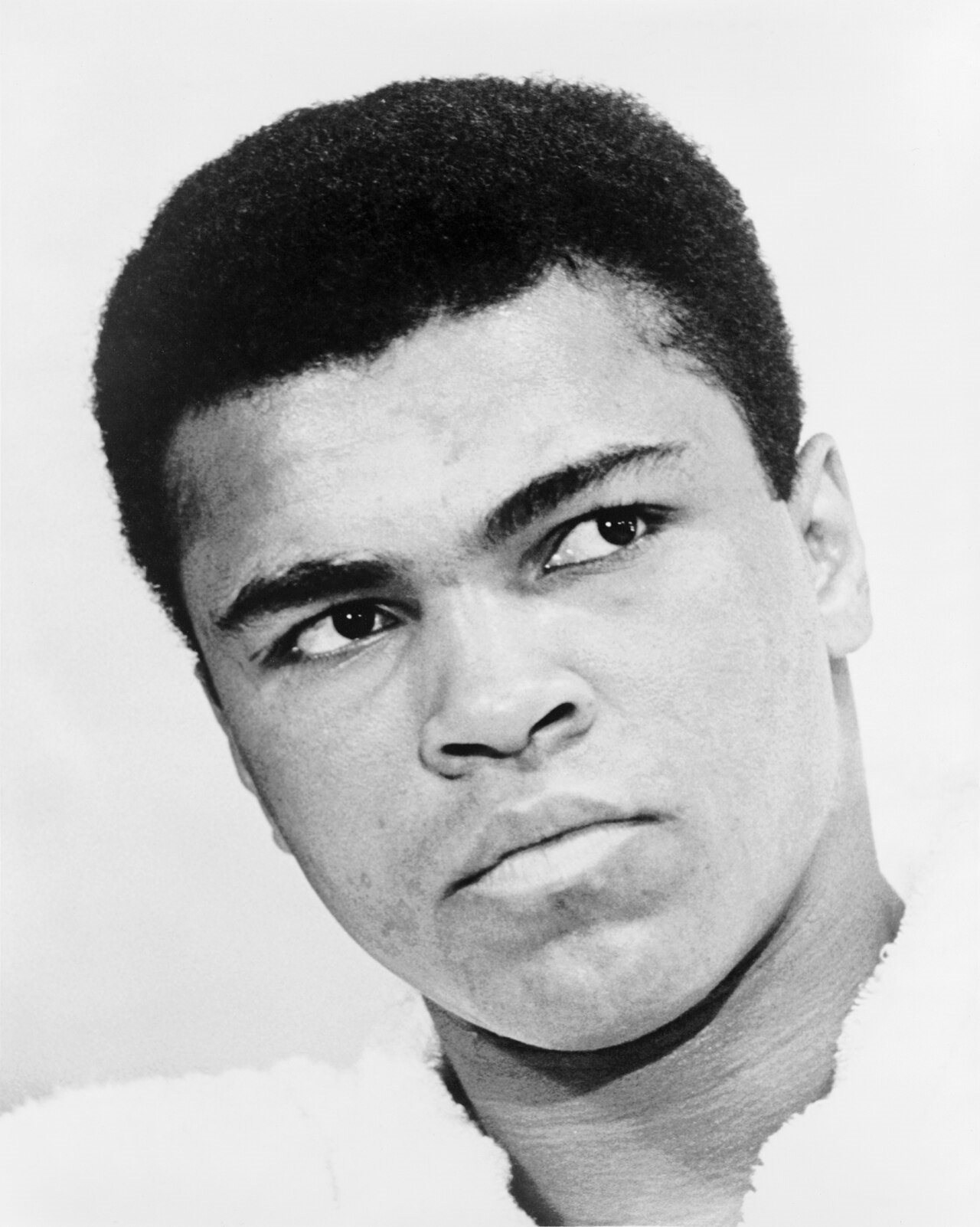
Trace Ali’s Muslim identity through his boxing career, refusal of induction, personal writing, and museum objects.
Read Omar ibn Said’s 1831 manuscript alongside its translations and North Carolina history.
Explore the Islamic Center of New England’s roots in family networks, fundraising, and the South Street mosque.
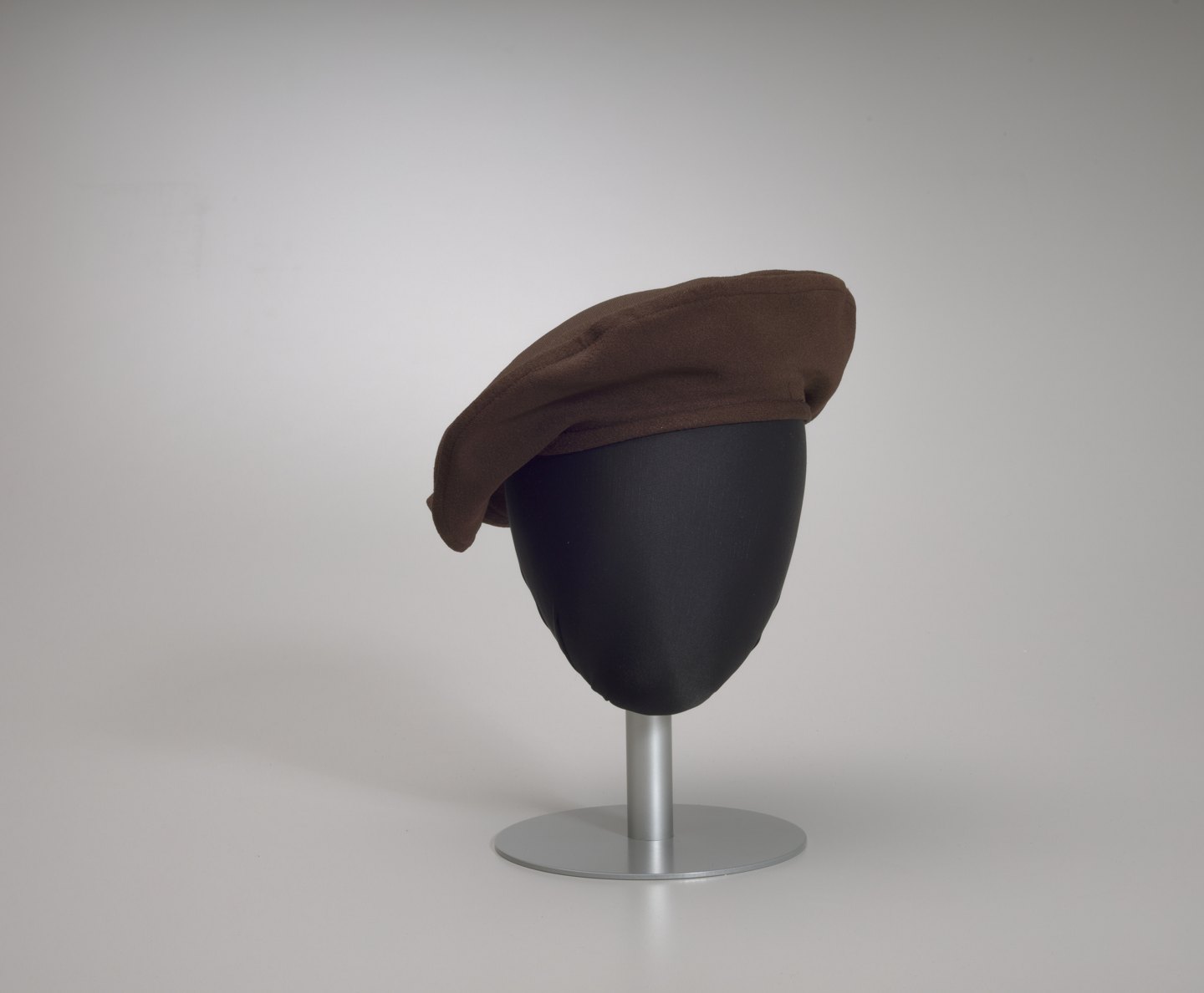
A practical starting point for finding museum objects, oral histories, and community archives without confusing access with permission.
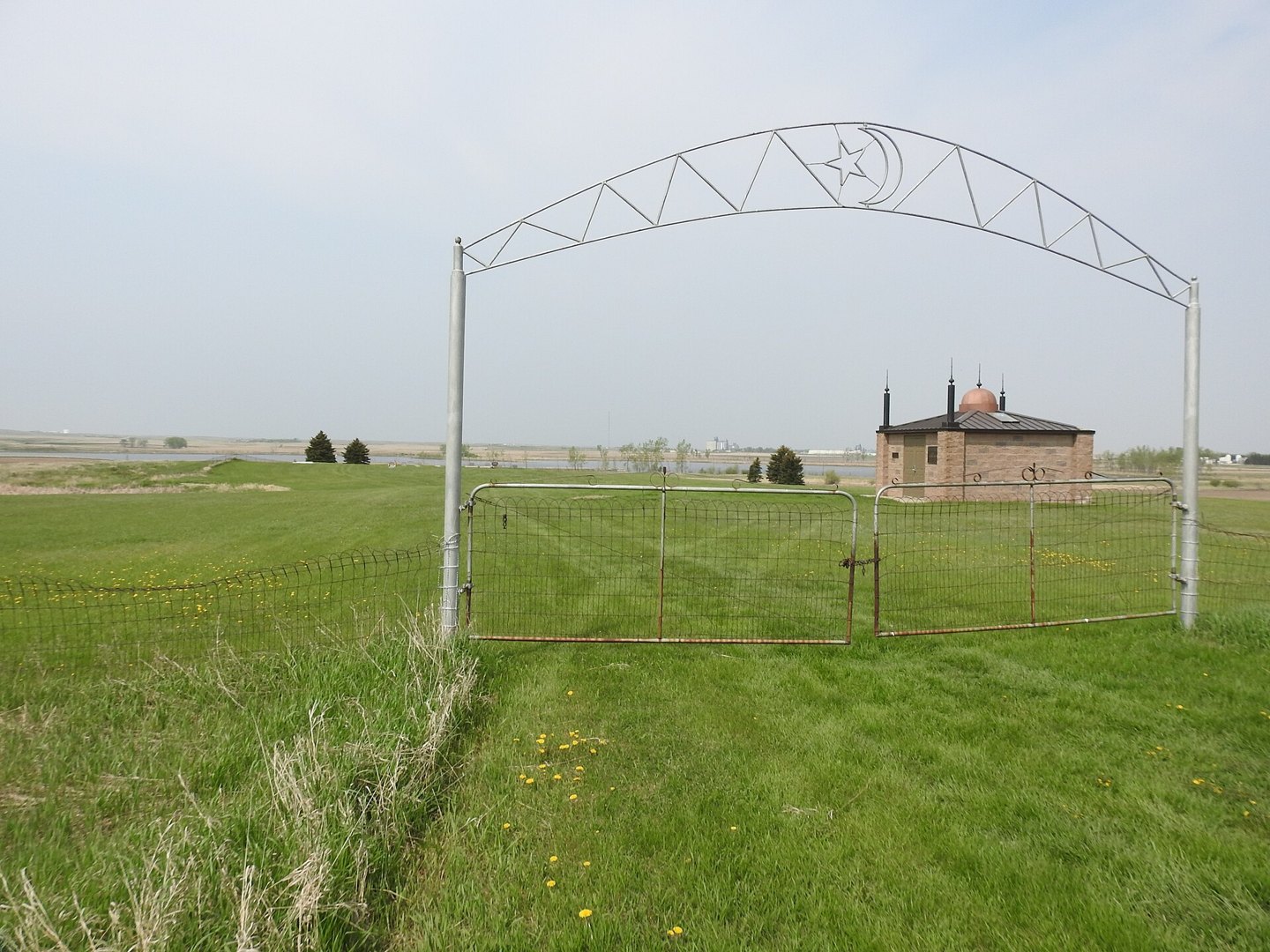
Follow the homesteading families, oral histories, and memorial building at the Assyrian Muslim Cemetery.
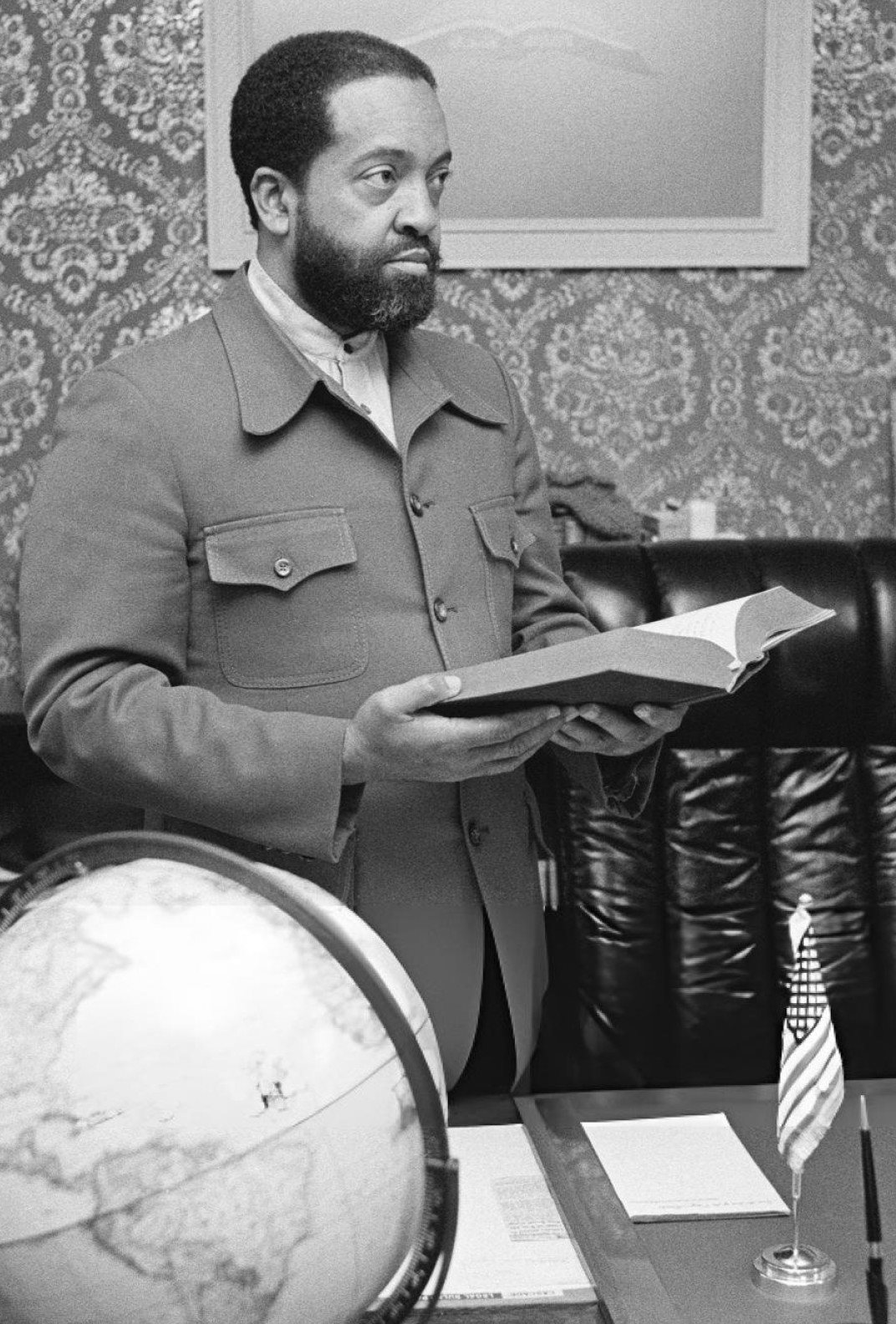
How changes in leadership, institutions, and local congregations reshaped a major African American Muslim community.