 History
Migration and Muslim institution building after 1965
Family reunification, professional migration, and institutions that grew across generations.
Five routes into Muslim American history through manuscripts, community institutions, migration, and the work of preserving public memory.
HistoryFamily reunification, professional migration, and institutions that grew across generations.
 History
The West African lives and American experiences behind surviving manuscripts and family memories.
 History
Explore the Cedar Rapids building, its restoration, and the community history behind a national landmark.
 History
A practical starting point for finding museum objects, oral histories, and community archives without confusing access with permission.
 History
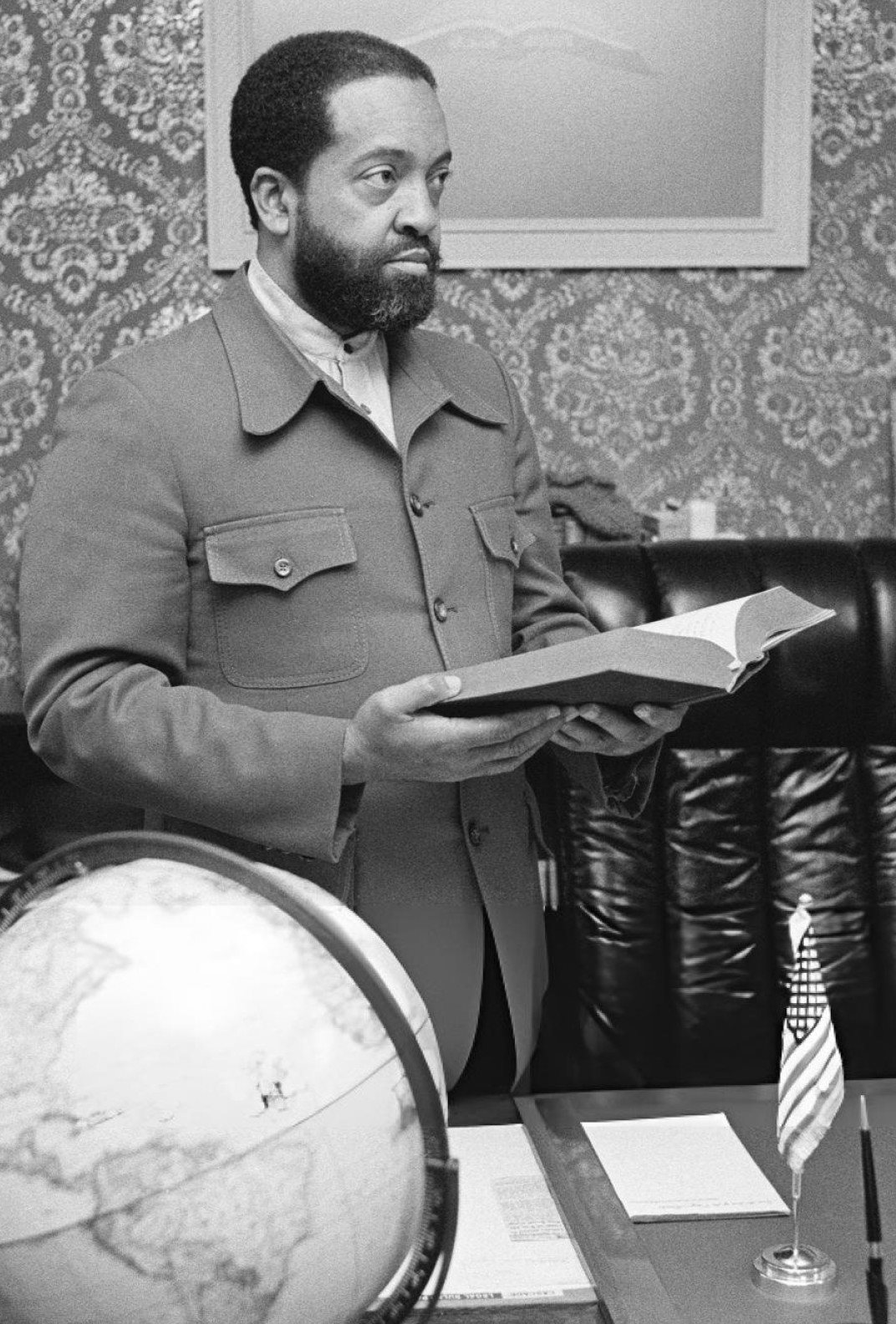
How changes in leadership, institutions, and local congregations reshaped a major African American Muslim community.
Muslim American history can be approached through things people left behind: a manuscript, a neighborhood building, a school, a collection of recorded voices. Those things make participation in American life visible at a scale a reader can examine. They also interrupt the assumption that Muslim life in the United States began recently or followed a single path.
This part of Muslim Nook's Shaped America collection follows five connected subjects. It starts with African Muslims whose lives were constrained by slavery, moves through institution building and changes in the twentieth century, and ends with the work of preserving the record. The stories concern knowledge, community organization, and public memory. They do not rank people by how useful they were to the country or suggest that anyone must earn belonging through exceptional achievement.
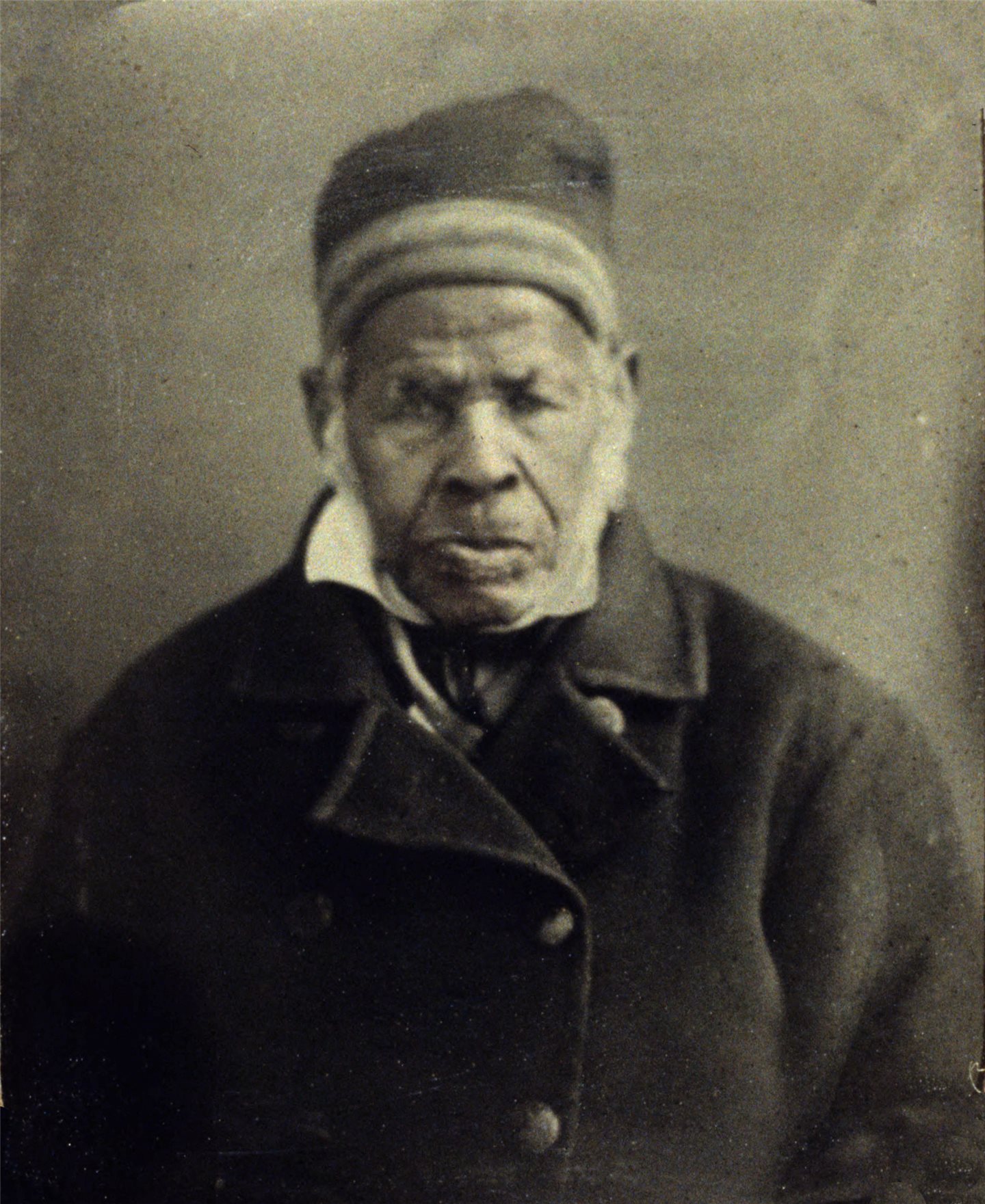
Start with African Muslims in early America. Surviving Arabic manuscripts challenge accounts that erase the education and intellectual lives of people brought into slavery. The Smithsonian's account of African Muslims draws attention to writing and connections among people such as Omar ibn Said, Bilali Mohammed, and Ayuba Suleiman Diallo. Their documents have different purposes; they should not all be called autobiographies.
This history requires particular care in a collection about contributions. Enslaved labor was coerced. It must not be recast as a voluntary gift to national prosperity. The contribution examined here is the knowledge and testimony people preserved under constraint, and what those materials allow later readers to understand. Their importance does not make slavery less destructive.
Follow a document through its history: who wrote it, who kept it, who translated it, and which institution now describes it? That route makes clear that an archive is a surviving selection, not a complete census of Muslim life. A famous manuscript is evidence of one person's work. It does not tell us how many other people wrote, taught, or remembered things that were never preserved.
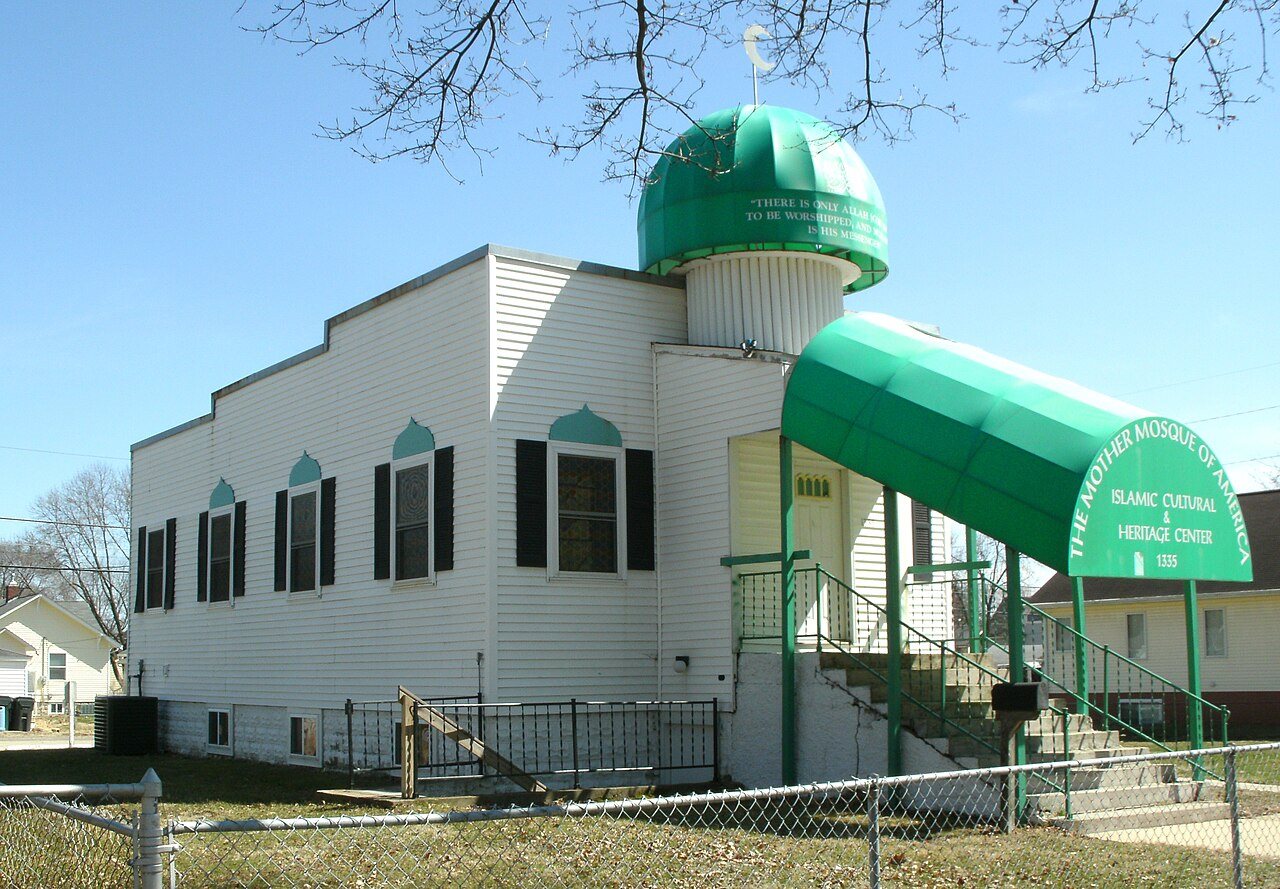
The Mother Mosque of America offers a different kind of record. The 1934 Cedar Rapids building is modest enough to make the effort behind it imaginable: finding a place, raising resources, maintaining it, and deciding what should happen when a congregation grows.
The National Park Service describes a simple wood-frame structure, later restoration, and National Register recognition in 1996. The history demonstrates that a place need not be monumental to carry national significance. It can preserve the work of people making a stable institutional home within an American city.
Read the building with its surrounding organizational history. A congregation existed before a completed structure, and a community continued after it needed a larger place. The preserved mosque is therefore one chapter, not the whole story. Its present interpretive role adds another contribution: making local Muslim history available to people who were not part of the founding families.
The supporting article preserves a discrepancy between institutional accounts of the exact 1934 milestone date. That uncertainty does not erase the building's significance. It shows why a careful history names its sources instead of choosing whichever date looks simplest.
Warith Deen Mohammed and community transformation examines change after his succession to leadership in 1975. PBS documents the organizational and religious changes associated with his leadership, including new names and a changed public direction.
The contribution to investigate is institutional as well as biographical. A leader's decision becomes lived history through congregations, schools, teachers, parents, and local organizers. An account centered entirely on a prominent individual can miss the work required to maintain and change those institutions over time.
This subject also resists a single-story account of Muslim America. African American Muslim institutions have histories that cannot be reduced to immigration. Their relationships with national racial history, local neighborhoods, and religious transformation deserve attention on their own terms.
For a reader interested in a particular city, the next question is local: what changed in a congregation's name, property, curriculum, or public activities, and when? A national biography supplies context. It does not establish the exact sequence in every community. Anniversary records, interviews, and institutional archives can complicate and strengthen the picture.
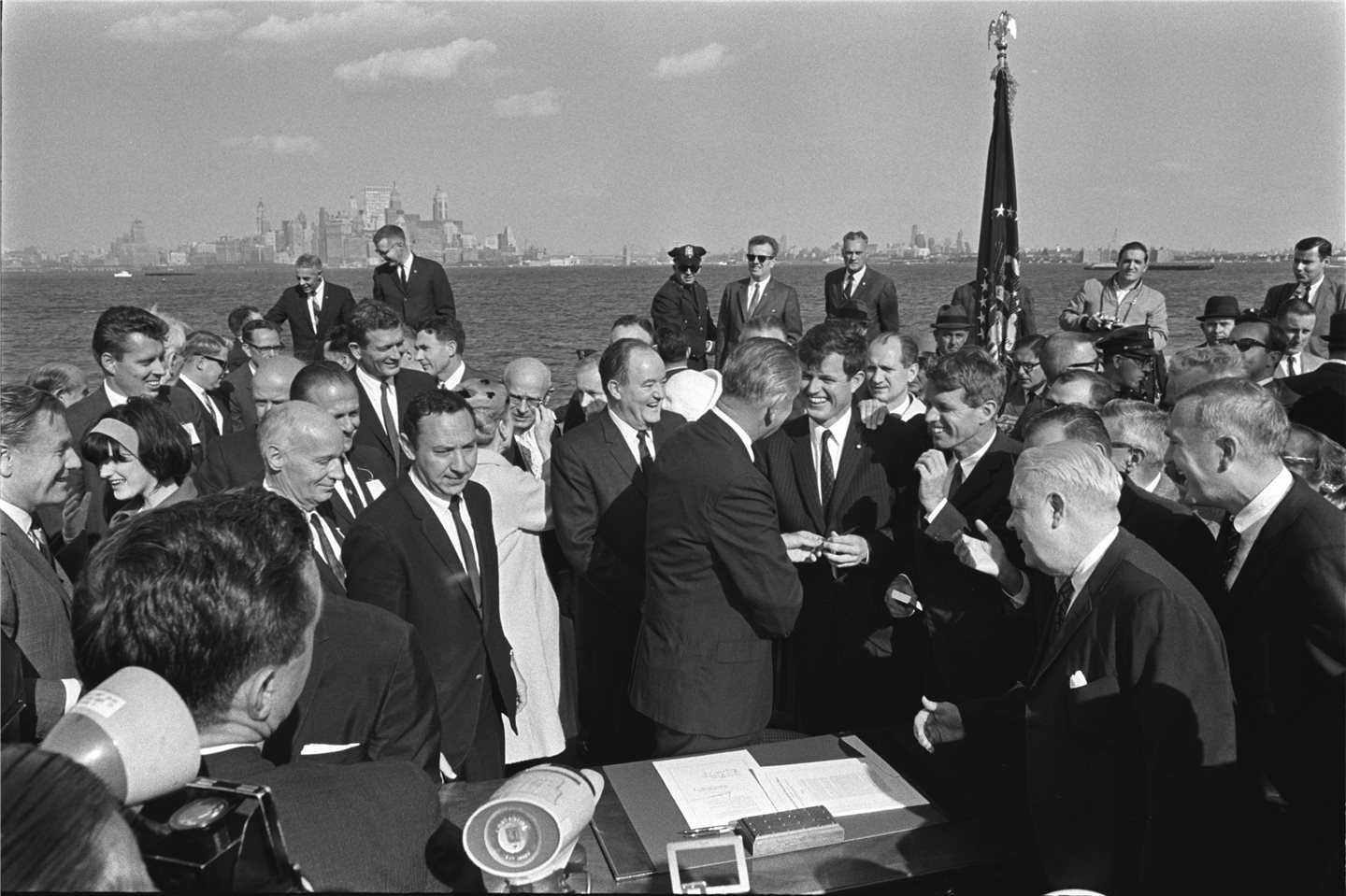
Migration after 1965 places a major policy change beside the slower work of building institutions. The National Archives records President Lyndon Johnson's signing of the immigration law on October 3, 1965, and its replacement of the national-origins quota system with a different framework emphasizing family and occupational preferences.
The law was not a Muslim-specific measure, and it did not create Muslim American life. Harvard's Pluralism Project documents Muslim centers and student organizing before 1965, including the Muslim Students Association's establishment in 1963. Those earlier dates are useful safeguards against an overly neat before-and-after story.
The contribution of migrants and their families becomes clearer when a reader follows an organization rather than treating a demographic category as an actor. Who organized meetings? How did a student network become connected to a local congregation? Which earlier institutions provided a foundation? The supporting article offers context for asking those questions without pretending that one legal change explains every later development.
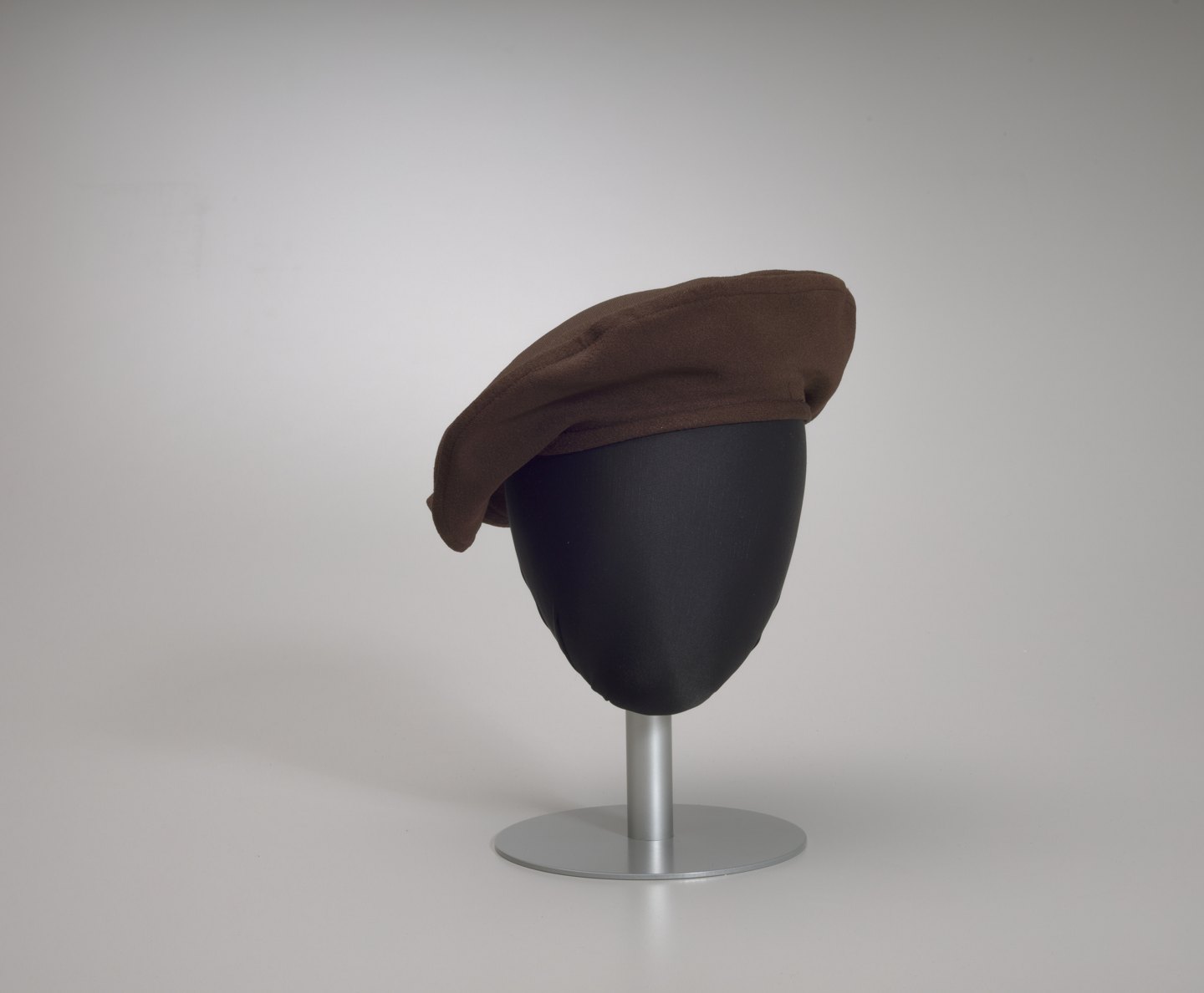
Preserving Muslim American history turns from the subjects of history to the people and institutions making it accessible. Museum objects, oral-history projects, and university repositories provide different routes into the record. Arizona State University's Global Muslim Digital Repository, for example, presents photography, magazine archives, oral histories, and other collections.
Preservation is itself a public contribution. A record that can be found and understood can serve a student, a family researcher, a museum educator, or a local historian. Access requires more than putting a file online. Dates, names, descriptions, permissions, and the circumstances of creation help a later reader know what the object can support.
This is also a place where ordinary family knowledge matters. A photograph labeled with a location and a carefully attributed identification is more useful than an unexplained image. A remembered date should remain identified as a memory. Respect for consent and privacy belongs beside the desire to save a story.
These pages can be read in sequence, but the connections are not a claim of uninterrupted institutional descent. An early manuscript and a twentieth-century mosque may both illuminate Muslim American life without belonging to one continuous organization. Similarity is a reason to compare, not proof of a direct historical link.
Look for the specific form of contribution in each case: preserving knowledge, creating a gathering place, sustaining or transforming institutions, organizing across migration, or making evidence accessible. Then ask what the source actually establishes. A building date, an oral recollection, and a legal document answer different questions.
For the contemporary counterpart, continue to Muslims and everyday neighborhood life. There, the emphasis shifts to housing, shared space, civic education, environmental work, and encounters between neighbors. The historical record helps explain why those activities belong within American history rather than at its margins.
HistoryThe West African lives and American experiences behind surviving manuscripts and family memories.
HistoryExplore the Cedar Rapids building, its restoration, and the community history behind a national landmark.
HistoryHow changes in leadership, institutions, and local congregations reshaped a major African American Muslim community.
