

 History
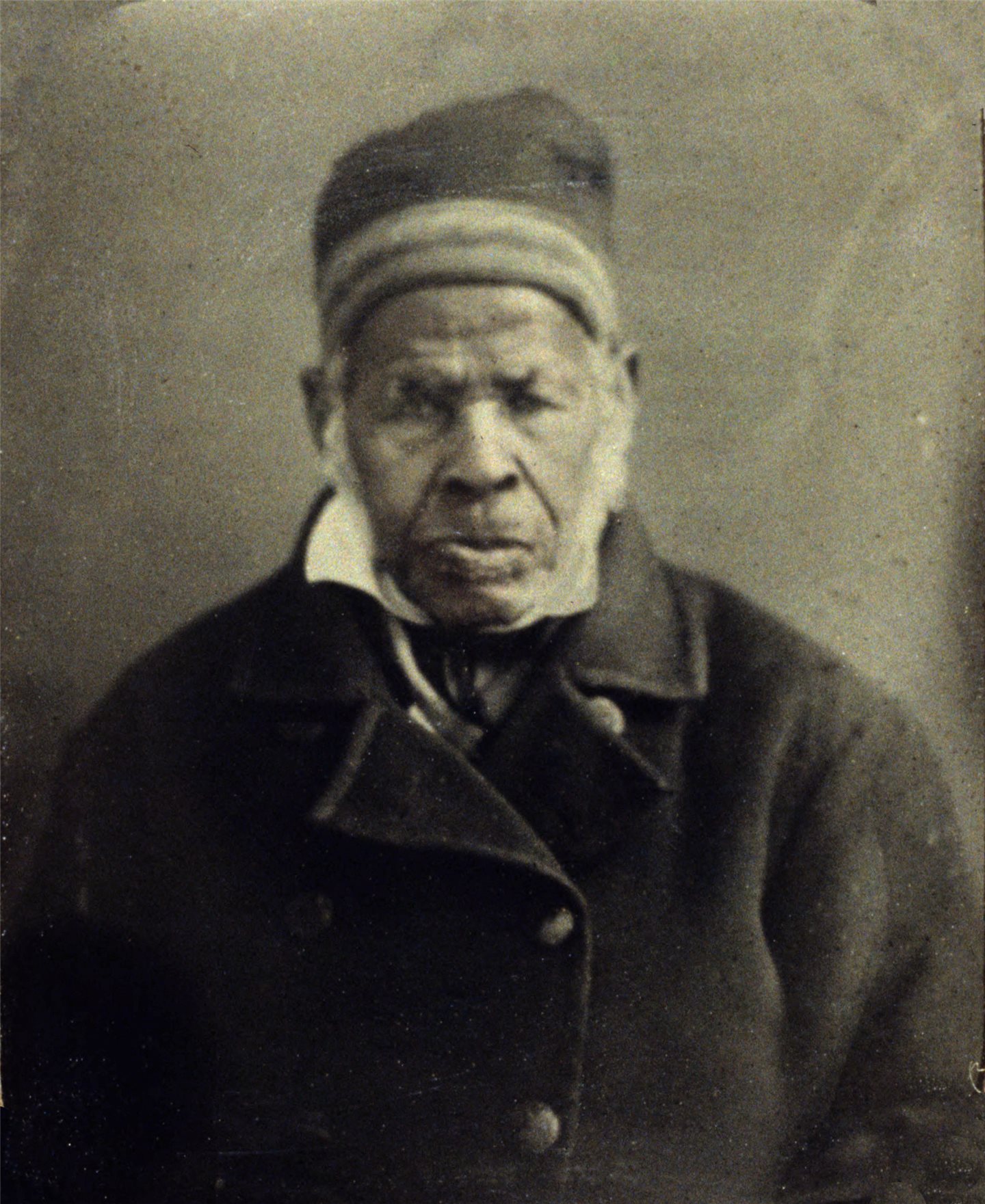
African Muslims and the written record of early America
The West African lives and American experiences behind surviving manuscripts and family memories.
Family reunification, professional migration, and institutions that grew across generations.
The Immigration and Nationality Act of 1965 changed the routes through which many Muslim families came to the United States. It did not introduce Islam to the country. African Muslims had endured enslavement here, Black American Muslim movements had built substantial institutions, and immigrant communities had established mosques decades earlier. The law mattered because it altered a system that had sharply limited immigration from much of the world.
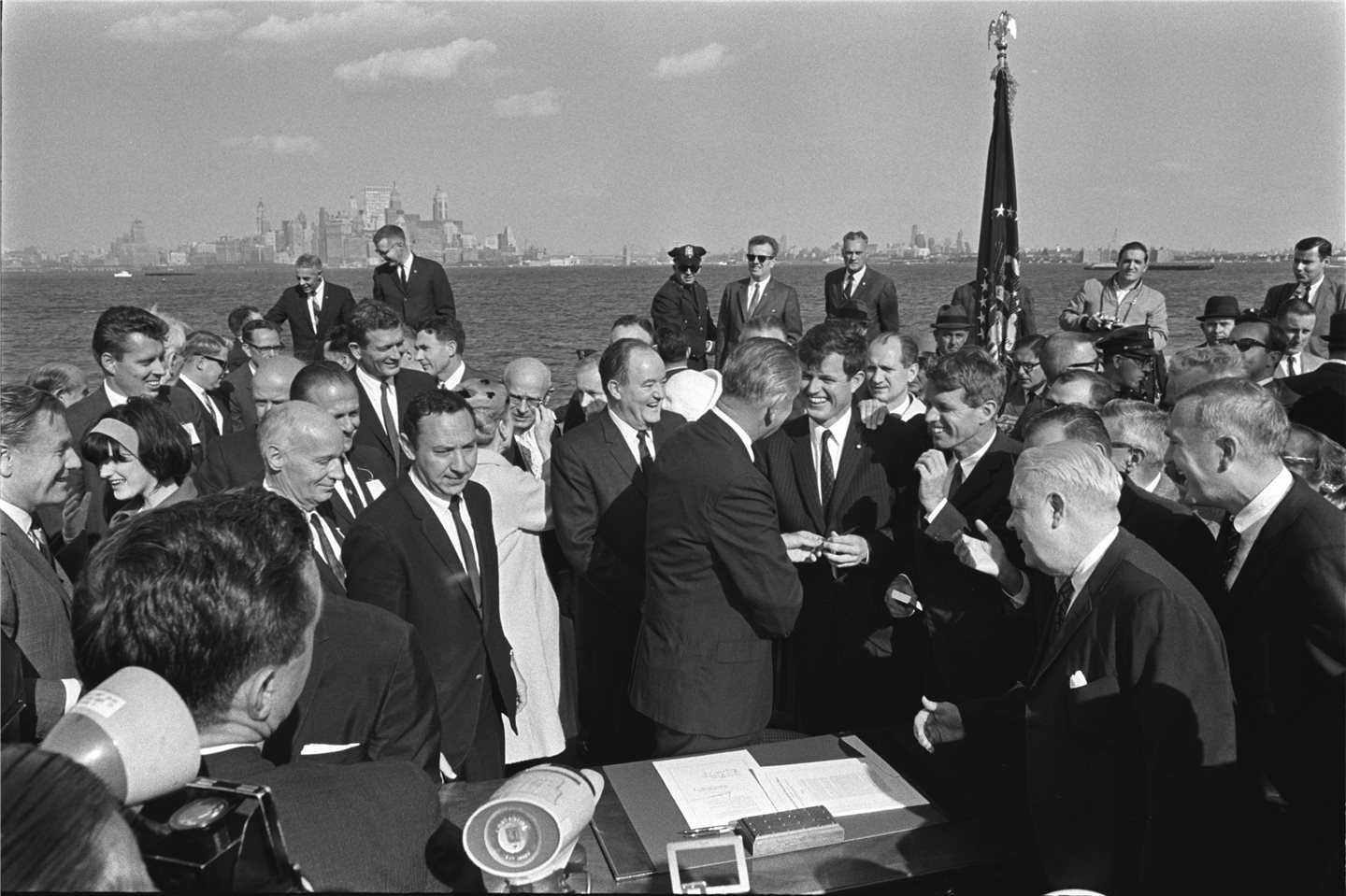
President Lyndon B. Johnson signed the legislation on October 3, 1965, at the Statue of Liberty. The setting linked the change to a familiar national symbol, while the substance addressed a less welcoming history: admission had long been organized around national-origin preferences. The National Archives' account explains how the legislation replaced that structure with a system emphasizing family relationships and occupational qualifications.
National-origin restrictions had not affected every immigrant group equally. A system built to favor certain European origins made entry much more difficult for many people from Asia and other regions. Changing that system opened possibilities for families whose religious lives included Islam, alongside many other faiths.
The law did not contain a special Muslim immigration program. Its consequences for Muslim America arose through broader categories: relatives joining relatives, professionals taking jobs, students building careers, and households deciding where to make a permanent home. The enrolled legislation preserved by the National Archives is useful precisely because it separates the law's actual provisions from later descriptions of its social effects.
Family reunification also changed the scale of community needs. An individual student might organize a shared prayer space with classmates. A household raising children could need weekend teaching, burial arrangements, social networks, local services, and a congregation that would remain after graduation. Over time, these overlapping needs supported institutions with wider responsibilities than a campus association.
A timeline that begins in 1965 misses the organizations on which later growth could build. The Islamic Center in Washington opened in 1957. The Islamic Center of America established its Detroit mosque in 1963, and the Quincy mosque in Massachusetts opened in 1964. The Muslim Students Association was founded in 1963. These examples appear in the Pluralism Project's history of immigration and early organizations.
Their dates matter. They show communities organizing before the legislative turning point and continuing afterward. The law did not produce congregations overnight. It changed the conditions under which existing networks could expand and new ones could form.
Nor did every community develop in the same sequence. A university town might grow around international students. An industrial city could have an older Arab American congregation, a Black Muslim institution, and newer arrivals living within a few miles of one another. Shared religion did not erase differences in language, class, nationality, or organizational history.
The effects of migration become clearest when viewed across generations. A mosque founded by adults who had studied abroad might later serve children born in the United States. Those children could experience the same building as a family gathering place, a classroom, a site of disagreement, or a connection to several countries at once.
This is why architectural histories alone are incomplete. A purchase deed can establish when a congregation acquired land. It cannot explain all the changes in volunteer work, language, youth programming, or expectations that followed. The institution's social history grows through the people who use it.
The LBJ Library's material on the act places the legislation in the broader reform politics of the 1960s. Its Muslim American consequences should likewise be understood alongside changes in education, employment, civil rights, and urban development. No single law explains every neighborhood or family trajectory.
The phrase “post-1965 Muslim immigration” is useful when it identifies a change in immigration policy and the communities shaped by it. It becomes misleading when used as a synonym for all Muslim American history. It can hide both the earlier presence of Muslims and the independent development of African American institutions.
A fuller account therefore keeps two ideas together. The 1965 act helped transform the composition and reach of Muslim communities. Those communities entered a country where Islam already had a history, including histories formed under slavery and racial exclusion.
For anyone exploring a local mosque or Muslim business district, the most revealing question is often about generations: who arrived first, who joined later, and what changed when children became adults? The answers connect a national legislative decision to the ordinary institutions through which people built American lives.
A change in immigration policy and the creation of a neighborhood institution are different kinds of event. The law supplied a framework; families and associations did the slower work of arranging meeting space, teaching children, and establishing organizations. Reading them together makes it possible to see opportunity and agency without crediting a statute with every later achievement.
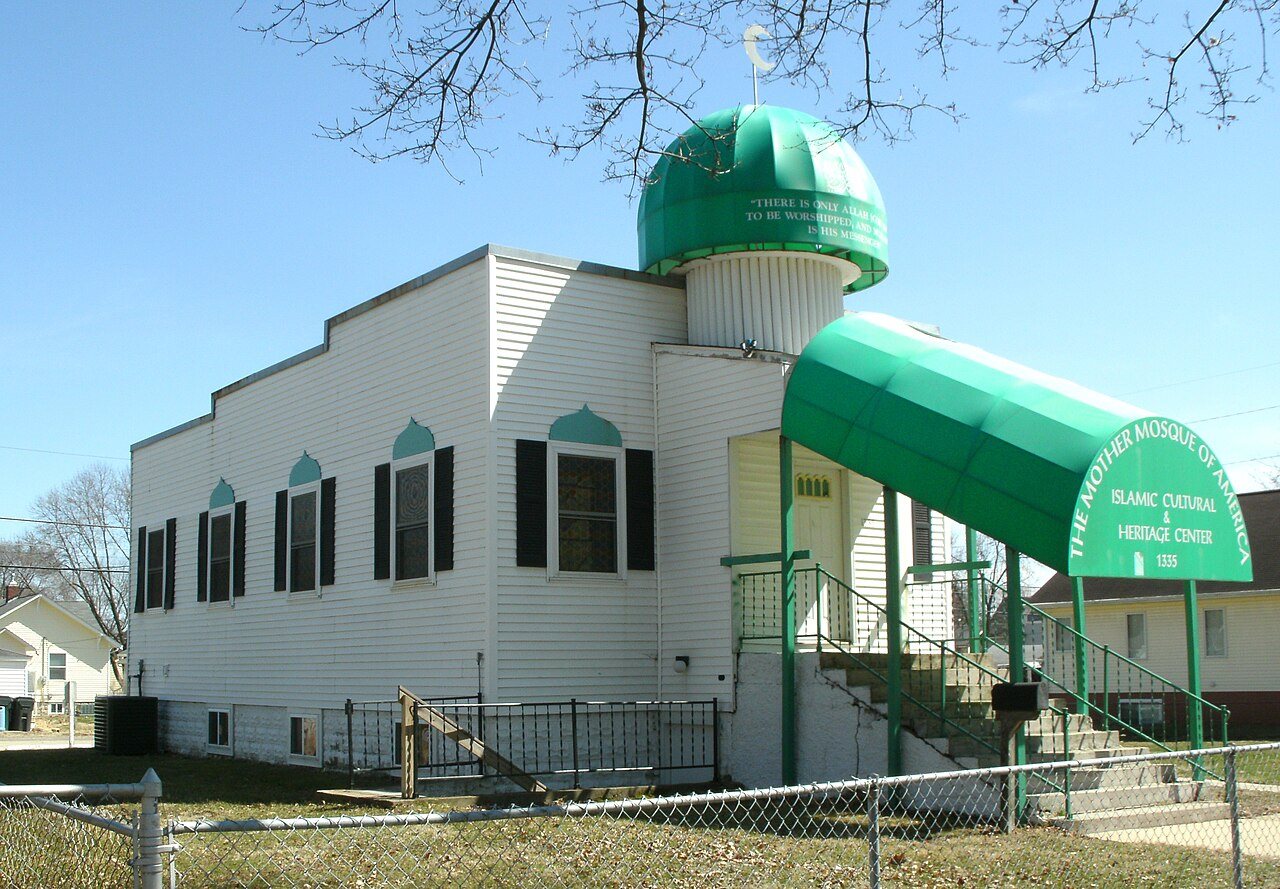
For a local research project, begin with one institution and work outward. Compare its founding date with the biographies of its organizers, then ask which connections existed before the building opened. A student association, a rented room, or an earlier congregation may explain more than a sweeping account of immigration. The Mother Mosque in Iowa is a useful reminder that Muslim institution building already had a long American history. Return to the historical roots collection for other routes into that story.
HistoryThe West African lives and American experiences behind surviving manuscripts and family memories.
 History
Explore the Cedar Rapids building, its restoration, and the community history behind a national landmark.
 History
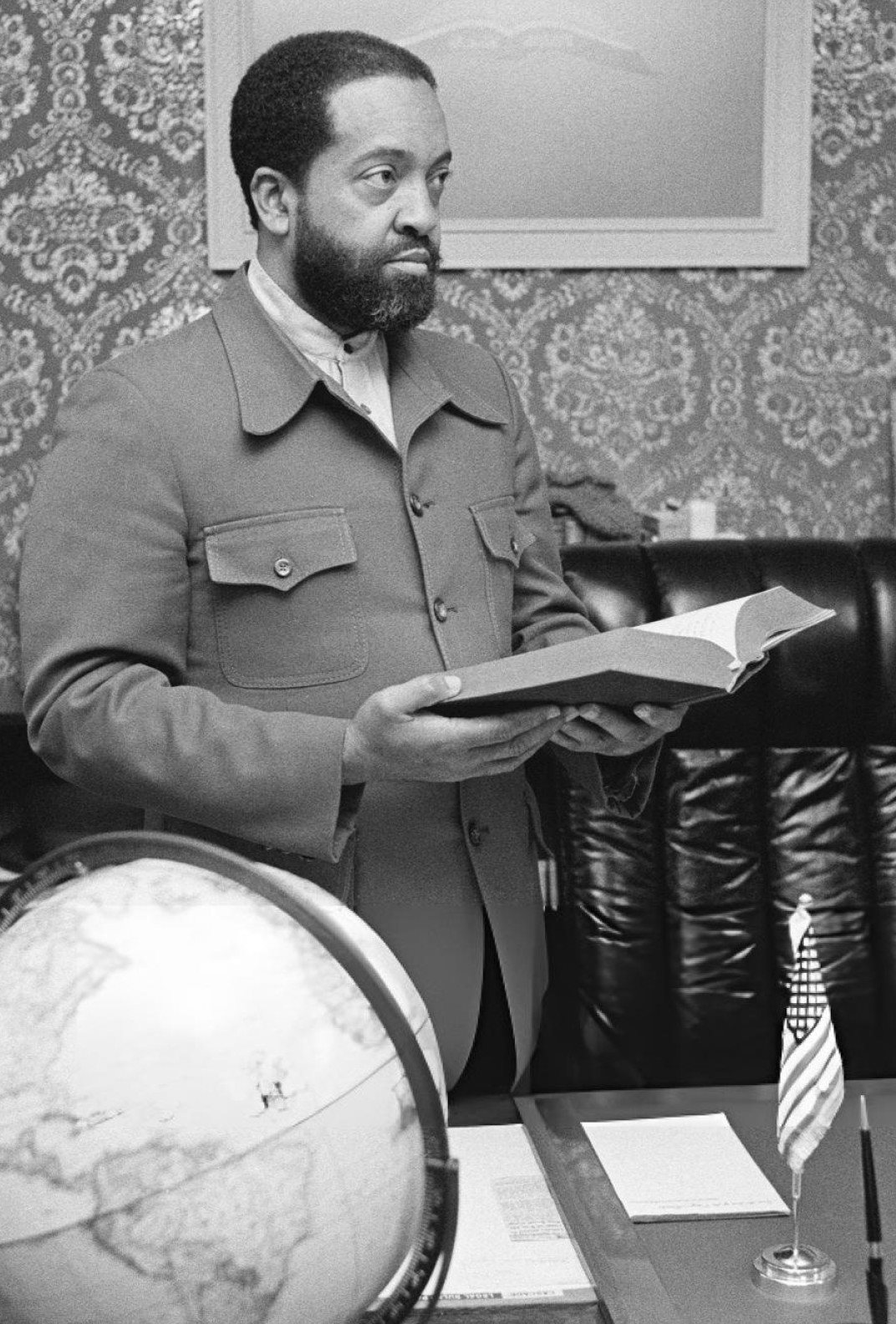
How changes in leadership, institutions, and local congregations reshaped a major African American Muslim community.