

 History
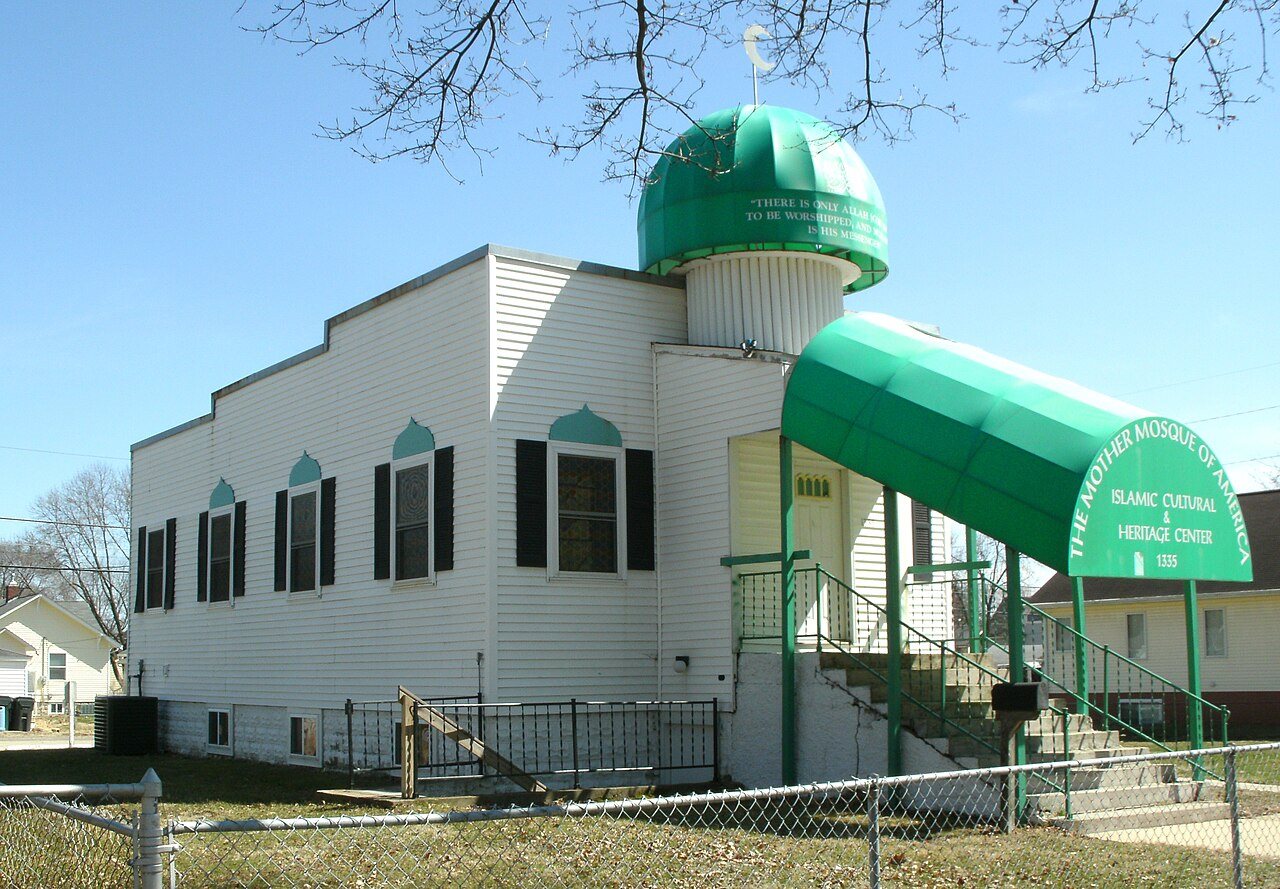
The Mother Mosque of America and the families who built it
Explore the Cedar Rapids building, its restoration, and the community history behind a national landmark.
The West African lives and American experiences behind surviving manuscripts and family memories.
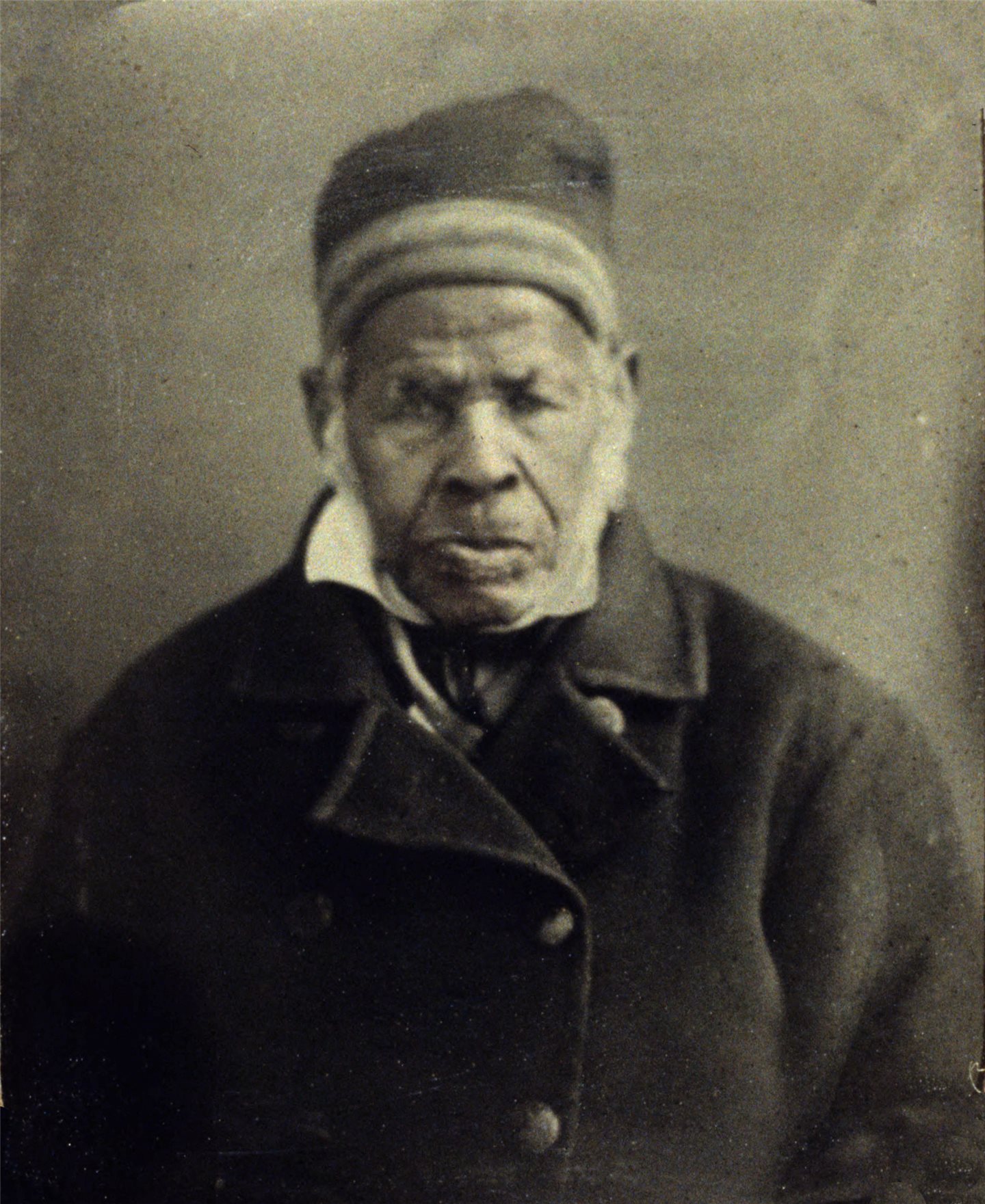
Muslim history in America includes people who arrived with no freedom to choose the journey. Among the Africans carried across the Atlantic into slavery were Muslims with established religious lives, languages, families, and occupations. Their presence places Islam within the history of early America, rather than outside it awaiting a later arrival.
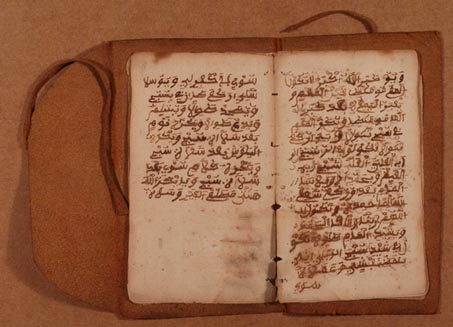
The surviving evidence includes Arabic manuscripts, letters, descriptions of prayer, and memories retained by descendants. These fragments do not produce a reliable national head count. They do establish that Muslim identity and learning survived the Middle Passage and continued under conditions designed to strip people of autonomy.
West Africa had long-established Muslim intellectual and commercial networks. Traders, scholars, teachers, and rulers participated in overlapping systems of exchange. Towns such as Timbuktu became centers of learning, while religious education also took place outside major cities. The Lowcountry Digital History Initiative's West African history explains the varied routes through which Islam became part of regional life.
This background helps explain something that surprised many white Americans: some people they enslaved could read and write a language their enslavers did not understand. Arabic literacy was not an ability acquired through plantation benevolence. It could be the product of years of education completed before capture.
Memorization also mattered. A person denied books might still retain long passages learned in childhood or through advanced study. Writing those passages in America preserved a connection to earlier teachers and places. The page could become a small surviving piece of a much larger intellectual world.
Omar ibn Said's 1831 autobiography, written in North Carolina, is the best-known example of an extended Arabic life narrative by an enslaved Muslim in the United States. The Library of Congress collection places it among Arabic and English documents that reveal how his life was described and interpreted.
Other writers used letters in attempts to communicate across enormous distances. Ayuba Suleiman Diallo wrote toward his family in Africa. Arabic correspondence also played a role in the campaign for Abdul Rahman Ibrahima's release in Mississippi. These were practical acts as well as expressions of identity: writing could carry a request, establish a relationship, or attract the attention of someone with influence.
Not every manuscript was a diary or autobiography. Bilali Mohammed's surviving text from Georgia concerns religious learning. Calling every Arabic document a personal narrative obscures what its writer actually chose to preserve. The range of texts shows several purposes for literacy, from recalling instruction to pursuing freedom.
The Smithsonian's account of African Muslims in early America describes both religious persistence and obstruction. Enslaved people could face ridicule while praying, restrictions on time and movement, and pressure to adopt the religious identity expected by enslavers.
Some formed connections with other Muslims. The museum discusses relationships involving Bilali Mohammed and Salih Bilali, and correspondence between Omar ibn Said and Lamine Kebe. Such connections complicate the image of every enslaved Muslim as completely isolated. Isolation was a powerful condition, but people also sought recognition and companionship.
Families carried memories beyond the lifetime of a particular individual. The Pluralism Project points to accounts of prayer and religious practices preserved through descendants. These recollections are especially important where written evidence is limited, although the distance between an event and its recording must remain visible.
A few documented individuals obtained freedom or returned across the Atlantic. Their stories are memorable partly because those outcomes were exceptional. They should not make slavery appear as an obstacle routinely overcome through education or persistence.
Literacy could create an opportunity, but an enslaver could still refuse release. Recognition by prominent white people did not guarantee freedom for a person's relatives. A return to Africa might involve arrival in a place far from the homeland left decades earlier. Family separation could continue after an individual's legal status changed.
The Lowcountry exhibition's introduction situates these lives within the broader histories of slavery in the South and the Atlantic world. That context prevents a handful of extraordinary biographies from standing in for every experience.
These histories also resist a simple line drawn from an eighteenth-century manuscript to a modern mosque. Later Muslim communities developed through their own movements and migrations. The significance of the earlier evidence does not depend on proving uninterrupted institutions. It shows that Muslim people helped make early America while struggling to preserve lives, memories, and relationships that slavery sought to control.
The contribution that can be established here is a body of knowledge and testimony. Surviving Arabic writing preserves intellectual lives that enslavers often ignored or misrepresented. It gives a student of American history something to examine beyond a sale notice or an owner's description. Who chose the words? Who translated them? Why did a manuscript survive when another person's voice disappeared? Those questions change how an archive is read.
That achievement should never turn coerced labor into a cheerful story about national progress. Enslaved people did not owe the country their suffering, and the survival of a few remarkable documents cannot stand in for all the lives destroyed. The point is to recognize people as thinkers and historical actors within conditions they did not choose. Read this alongside the wider history collection and our guide to preserving Muslim American archives.
HistoryExplore the Cedar Rapids building, its restoration, and the community history behind a national landmark.
 History
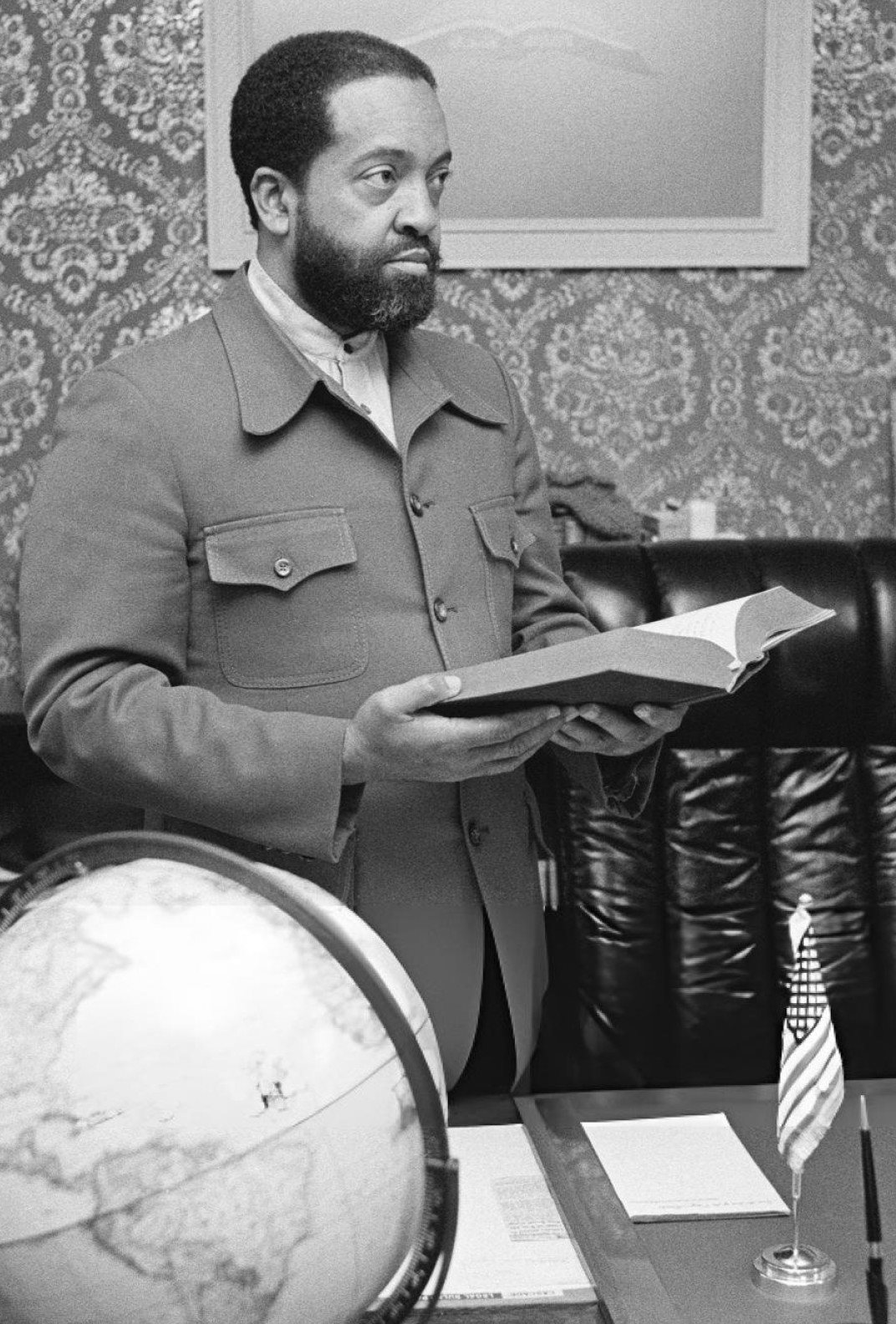
How changes in leadership, institutions, and local congregations reshaped a major African American Muslim community.
 History
Family reunification, professional migration, and institutions that grew across generations.