
 History
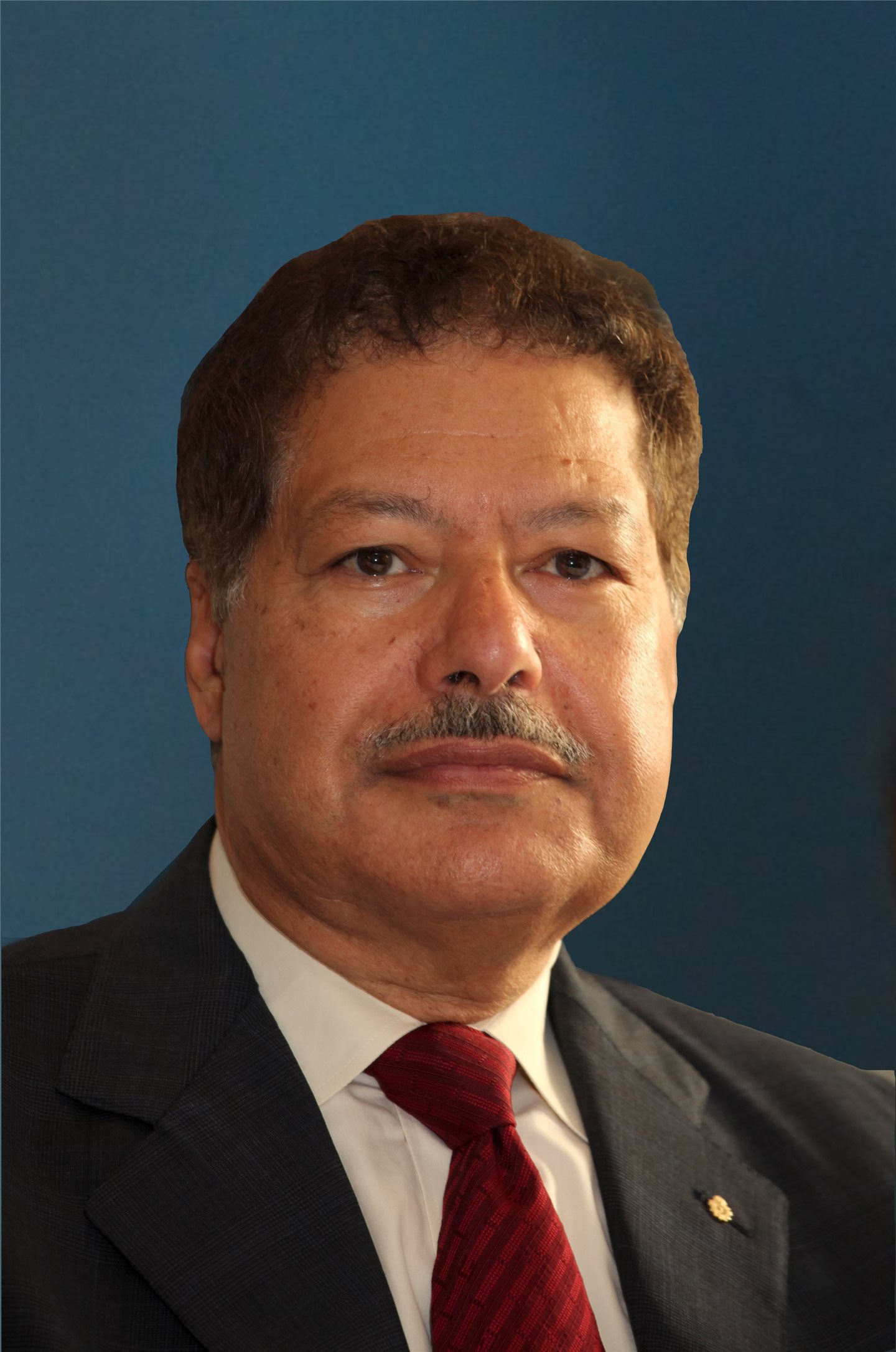
Ahmed Zewail: making chemical change observable
How a Caltech laboratory opened a window onto molecular motion, and why instruments and collaboration matter to the story.
A guide to Bilali Mohammed, his surviving Arabic manuscript, and the family memories recorded on Georgia’s coast.
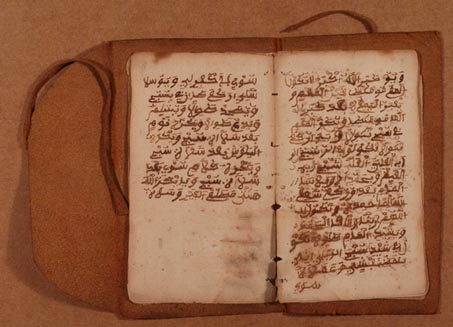
A small Arabic manuscript associated with Bilali Mohammed survives far from the Georgia island where he lived under enslavement. Held by the University of Georgia’s Hargrett Rare Book and Manuscript Library, it is a material connection between West African learning and the history of Sapelo Island. Its pages also show how an inaccurate label can direct generations of readers toward the wrong questions.
The document has often been called a diary. Scholars identified it as a religious text rather than a daily account of plantation life. That difference changes what a visitor should expect to find. Its importance lies in the knowledge its author preserved and recorded, alongside what other evidence reveals about his circumstances.
Bilali was born in Timbo in Futa Jallon, now part of Guinea. After enslavement in the Caribbean, he and members of his family were purchased by Thomas Spalding around 1803 and taken to Georgia. His wife Phoebe and several daughters accompanied him. On Sapelo, Spalding used him to supervise other enslaved people cultivating cotton and sugar cane. These circumstances placed religious persistence inside a plantation economy, not outside its coercion. The New Georgia Encyclopedia biography also identifies the later Sapelo writer and cultural advocate Cornelia Bailey as a descendant. Family memory therefore connects his nineteenth-century life with the island's modern cultural history.
Bilali Mohammed was born in West Africa and lived on Sapelo Island in the early nineteenth century. The College of Coastal Georgia’s research guide identifies him as an enslaved man associated with the island’s plantation history. The New Georgia Encyclopedia provides a fuller biography and discusses the way later writers represented him.
Names appear in different forms across the record, including Bilali, Bel-al-i, and Ben Ali. When searching catalogs, those variants can uncover references that a single spelling misses. Record the source’s form while making clear that the entries concern the same historical person. Transliteration, recollection, and the decisions of English-speaking recordkeepers all affect the searchable archive.
The strongest starting point is the object itself. The surviving manuscript contains thirteen pages, and the encyclopedia notes physical difficulties including ink showing through the paper and missing material. These are practical limits on interpretation. A damaged page can conceal information that a polished modern transcription makes seem complete.
The manuscript’s contents concern Islamic belief and practice. Muslim Nook approaches it as a historical document showing the survival of education, language, and religious memory. A visitor does not need to treat it as a present-day instruction manual to understand why scholars value it.
Look for the catalog record, an image of a page, and a scholarly explanation of the text. Keep those three forms of information distinct. The catalog explains custody and identification. The image reveals physical evidence. Scholarship addresses meaning and places the object in a larger context. Each contributes something the others cannot provide alone.
The Digital Library of Georgia offers a route into the manuscript’s descriptive record. The New Georgia Encyclopedia identifies the holding institution and gives publication guidance for the image. Anyone preparing a display or article should follow the specific rights instructions rather than assuming that the age of the handwritten text makes every digital photograph unrestricted.
The record extends beyond the manuscript. During the 1930s, the Georgia Writers Project interviewed people on Sapelo, including descendants of Bilali Mohammed. Their recollections entered the published collection Drums and Shadows. Such accounts are valuable for understanding what families remembered and how they described it many decades later.
Oral recollection and an autograph manuscript are different kinds of evidence. The interview captures a later speaker’s knowledge, language, and relationship to the past. It also reflects the interviewer’s questions and the editorial choices that followed. Comparing the two can open a richer history than using either as a complete explanation.
This story belongs within the history of the Georgia Sea Islands and their living communities. A visit should begin with current local guidance and respect for residents. Historical curiosity does not make private homes, family burial places, or community spaces automatically available for photography or exploration.
When looking at a manuscript reproduction, notice the binding edge, line spacing, and areas where the writing becomes difficult to read. These details encourage slower viewing and connect the text to the labor of writing and preserving it.
Then consider the distance between Sapelo and the university archive. The object’s present location is part of its history. Questions about who kept it, who named it, and who interpreted it help explain how it entered public memory.
Bilali Mohammed’s surviving pages offer a precise way into a much broader subject. They demonstrate that the history of Islam in the American South can be studied through handwriting, family testimony, library catalogs, and physical landscapes. Bringing those forms of evidence together lets a reader see both what has survived and what remains difficult to recover.
HistoryHow a Caltech laboratory opened a window onto molecular motion, and why instruments and collaboration matter to the story.
 History
A North Carolina research career reveals how basic science, teaching, and cultural exchange can reinforce one another.
A New Jersey congregation’s zoning dispute produced permission to build and changes to local religious-land-use procedures.