


 History
African Muslims and the written record of early America
The West African lives and American experiences behind surviving manuscripts and family memories.
Explore the Cedar Rapids building, its restoration, and the community history behind a national landmark.
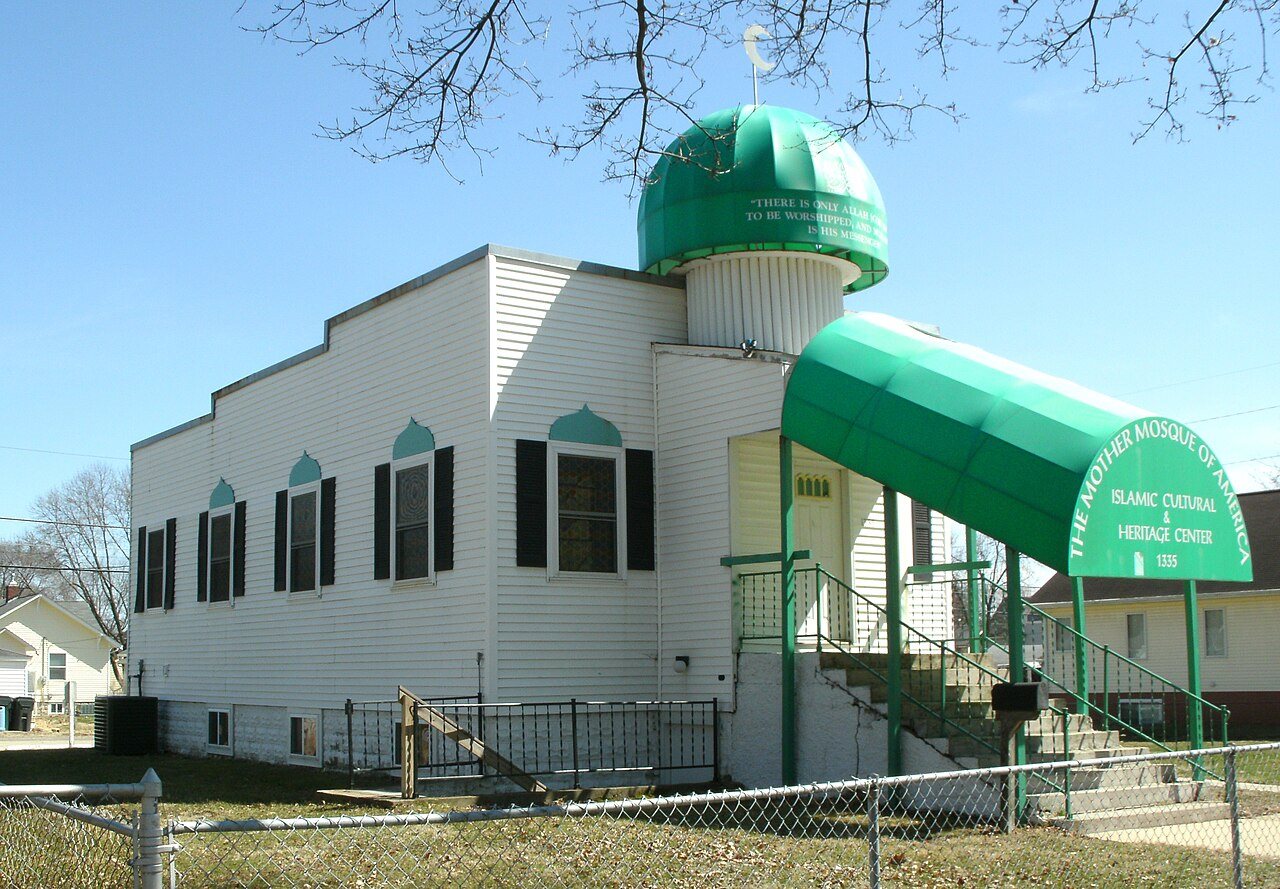
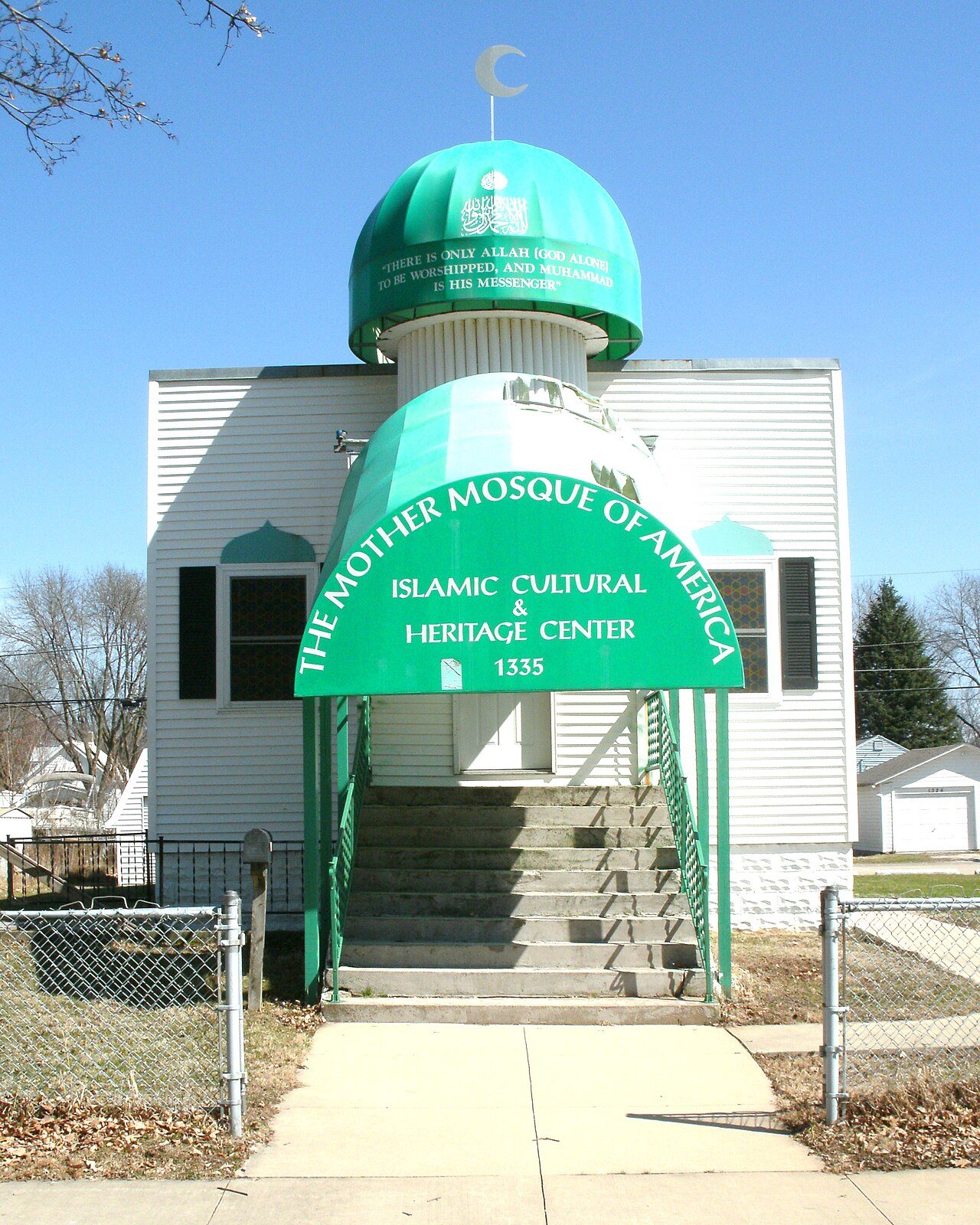
At 1335 Ninth Street NW in Cedar Rapids, a modest building carries a name that reaches far beyond Iowa. The Mother Mosque of America is part of a long local story of families, businesses, fundraising, and preservation. Its scale makes that story particularly legible. A community assembled the resources for a place where people could gather, then later generations worked to keep that place from disappearing.
The mosque dates to 1934. The National Park Service describes a simple wood-frame building with the proportions of a prairie schoolhouse. Its importance comes from the congregation’s history and the survival of the structure, rather than from monumental size.
The Islamic Center of Cedar Rapids traces the community’s growth to immigrants, many from Lebanon, who settled in the area and gradually established a shared institutional life. The history includes a fundraising effort prolonged by the Great Depression. That context helps explain the significance of a comparatively small building. Construction represented years of commitment in difficult economic circumstances.
Institutional histories give different dates within 1934 for completion and opening. The National Park Service identifies February 15, while the current congregation’s history highlights June 16. Those dates should be presented with their source and event description. They may concern different milestones, but a writer should establish that distinction before asserting a single definitive opening day.
Earlier gatherings and rented spaces are also part of the mosque’s history. A building date records one stage in a community’s development. It does not mark the first moment people practiced their religion, met neighbors, raised children, or organized collective activities in the city.
Local commerce supplied part of the congregation's foundation. The National Park Service records a substantial network of community businesses by the mid-1920s. Members rented the Rose Fraternity Lodge in 1925 before building their own mosque. A cemetery established through an Aossey family land donation in 1948 extended the community's permanent presence beyond the prayer hall. These developments linked livelihood, gathering, and burial: the practical institutions through which families made Cedar Rapids home.
The National Park Service connects the congregation with regional institution-building, including a Muslim cemetery and participation in wider associations. Such connections show why a local building can matter nationally. Families needed a place for worship, but they also needed systems that could support community life across generations.
The official Mother Mosque website presents the building as a cultural and historical center as well as a place associated with religious practice. That combination is useful for visitors. A tour can explore architectural details, family stories, and the relationship between a historic structure and a present-day community.
The later Islamic Center of Cedar Rapids belongs in the same story. As the congregation grew, a larger facility became necessary. Recognizing that development prevents the older building from being treated as if it alone represents all Muslim life in the area today.
After its original period of congregational use, the small mosque passed through other uses and deteriorated. The National Park Service describes its purchase and restoration in the early 1990s. It entered the National Register of Historic Places in 1996.
Preservation changes how a place is encountered. Rooms once familiar mainly to members become spaces interpreted for visitors. Signs, photographs, and guided explanations help later audiences understand activities that would once have needed no introduction. Ask how the interpretation was assembled and whose memories contributed to it.
The survival of the building also makes a wider point about American religious landscapes. Historic significance can reside in ordinary construction. A modest room can record migration, labor, and mutual support as clearly as an elaborate sanctuary.
Use the Mother Mosque’s current visitor page to arrange access and verify hours. A historic designation does not guarantee that a building is open at every advertised travel time. Contact the institution directly if your visit involves a group, accessibility requirements, photography, or research.
Allow time to look at the surrounding neighborhood. A mosque’s location is part of its social history, although private homes and residents should remain outside an unsolicited tour or photo session. Inside, follow the host’s guidance and ask which displays explain the founding families, construction, and restoration.
For a family visit, a useful activity is to compare the building’s original purpose with its later preservation role. What information would a founding member have known automatically? What now requires a label or explanation?
Avoid reducing the site to a contest over which American mosque came first. Congregations, converted buildings, purpose-built structures, and surviving buildings have different histories. Cedar Rapids offers something more substantial than a single ranking: a place where the material record of an early Muslim community can still be encountered and interpreted.
Read this building alongside the manuscripts, migration histories, and preservation projects in Muslim roots in American history. Each records a different form of participation: creating a place, maintaining it, and making its history available to later generations.
HistoryThe West African lives and American experiences behind surviving manuscripts and family memories.
 History
How changes in leadership, institutions, and local congregations reshaped a major African American Muslim community.
 History
Family reunification, professional migration, and institutions that grew across generations.