

 Community
Muslim contributions to healthcare in America
Explore a neurosurgical invention, neighborhood clinics, mental-health institutions, and medical volunteering through five documented stories.
Follow the Islamic Center of Central Missouri from its institutional history to a documented 1997 council decision.
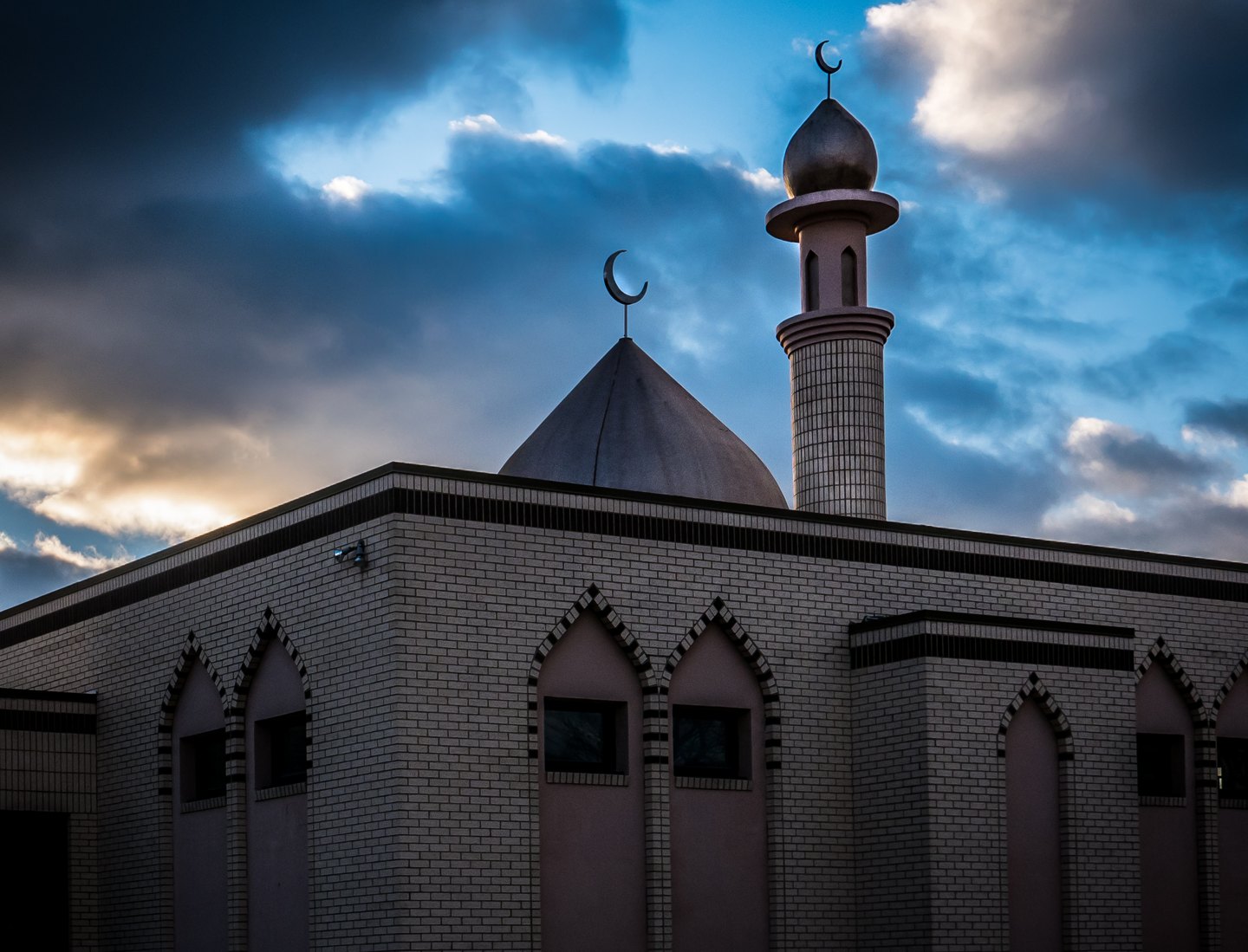
In February 1997, Columbia's City Council considered a small but meaningful change to its zoning language: adding the terms mosque and synagogue wherever church appeared in Chapter 29. The meeting minutes record a representative of the Islamic Center of Central Missouri explaining why recognition in the city's language mattered.
The Islamic Center of Central Missouri dates its establishment to 1983 as a mosque and community center. At the February 3, 1997 council meeting, Addae Ahmad spoke on its behalf. He described an institution that had already been in Columbia for fourteen years and wanted to remain part of the city's life.
The minutes record the measure, B23-97, passing with all seven listed council members voting in favor and none opposed. This is a specific historical decision. It should not be treated as a summary of every present-day zoning rule or as legal advice about opening a religious facility.
The council minutes preserve the speaker, the proposal and the vote. Together they make the story more precise than saying only that a community sought acceptance. They show a resident institution asking to be named in the rules governing the city it already called home.
A reader researching a different town could look for the same kinds of evidence: the text considered, the meeting date and the final action. Public recognition and practical operation are related, but neither should be inferred solely from a celebratory photograph.
The center's own visitor information welcomes people interested in learning about the local community and observing worship. It asks visitors to dress modestly and provides a route to arrange group visits. Use that current institutional information when planning; a 1997 council record cannot tell you today's opening arrangements.
For a school or community group, explain your purpose and number of participants before arriving. Ask about access, timing and whether someone will be available for questions. The point is to make an encounter useful for both visitors and hosts.
This Columbia story is separate from Salam Clinic's interfaith healthcare partnership in St. Louis. Read together, the two Missouri articles show different forms of participation: organizing a service and gaining explicit recognition in civic language.
CommunityExplore a neurosurgical invention, neighborhood clinics, mental-health institutions, and medical volunteering through five documented stories.