Muslim Missouri: a St. Louis clinic partnership and civic recognition in Columbia
When Salam Clinic opened in 2008, its partners supplied different parts of the service. Muslim Community Services brought physicians, Deaconess Faith Nurses provided nursing staff, and Lane Tabernacle Church supplied space and other support. That division of work is the foundation of the clinic’s own history: cooperation meant assembling the people and facilities needed to provide care.
Four founders and an expanding model
The clinic names Dr. Zia Moiz Ahmad, Dr. Nadeem Ahmed, Dr. Bahar Bastani and Khalid Shah in its founding account. It says the physician volunteers came from different faiths. The collaboration therefore should not be described as if everyone involved shared one religion.
From one church site to three
The institutional chronology records a second location at St. Peter’s Church in Ferguson in 2013 and a third at Epiphany Church in Benton Park in 2019. It also identifies the laboratory side of the work: St. Mary’s Hospital of SSM Health supplied laboratory services from 2008 through 2015, followed by CliniLab. The clinic depended on more than the consultation room.
Its history dates the addition of mental-health services at Ferguson to January 2020. Elsewhere on the same website, older introductory wording still describes a psychiatry clinic as a future project. Because those descriptions are not fully synchronized, they should not be used as a promise of a currently available appointment or specialty.
Recognition for a continuing partnership
Salam’s website records awards from the Deaconess Nurse Ministry, Interfaith Partnership of St. Louis and Congregation Temple Israel. It also reports recognition from Focus St. Louis in 2019. These are the organization’s account of its recognition, rather than independent measures of treatment outcomes.
Columbia put mosques into the city’s vocabulary
A separate Missouri story appears in Columbia’s council minutes for February 3, 1997. Addae Ahmad spoke for the Islamic Center of Central Missouri during consideration of B23-97, an amendment adding the terms mosque and synagogue wherever church appeared in Chapter 29 of the city code. The minutes record his explanation that the language would acknowledge the community’s presence, followed by a unanimous vote to enact the bill.
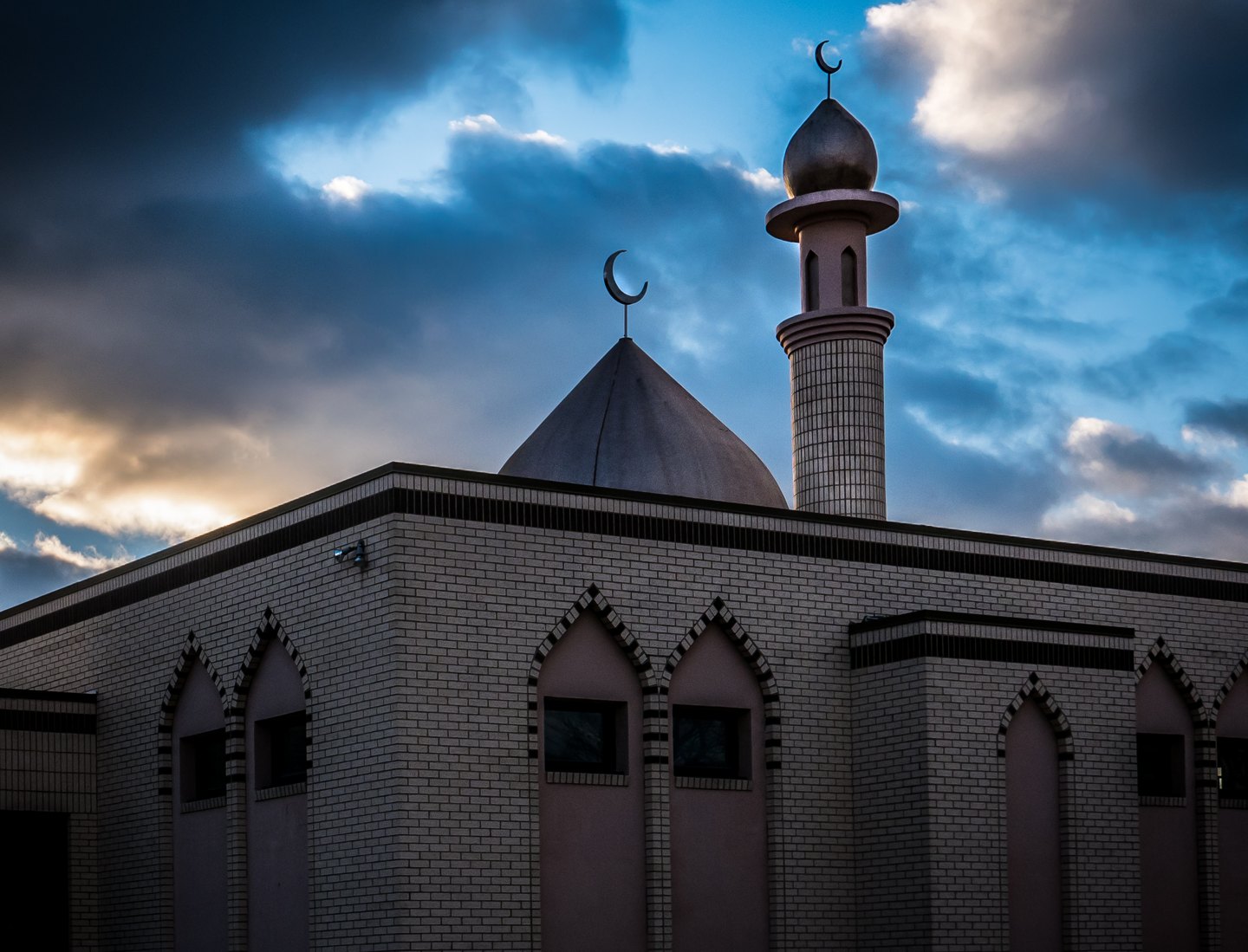
The center dates its establishment to 1983. Its building and the council record offer two different forms of evidence: a visible gathering place and a documented contribution to how the city described religious institutions. This Columbia organization is separate from the St. Louis clinic partnership above.

Explore the partnership and its history
The useful next step is to read Salam’s chronology alongside its current service information. The history explains how partners shared responsibilities; the service information is where a prospective patient should confirm arrangements. The broader healthcare collection below offers other documented examples of Muslim American contributions to care.
Follow the story
Explore the original reporting and organizational records:
Selected local stories, not a complete account of the state. Events and figures refer to the periods stated above. Check directly with organizations for current services.