Daybreak Press and the work behind a Muslim women's publishing list
Explore Rabata's publishing project through its catalog, editorial team, and manuscript guidelines.
Five routes through American storytelling: children’s books, superhero comics, independent publishing, national journalism, and Detroit filmmaking.
Explore Rabata's publishing project through its catalog, editorial team, and manuscript guidelines.
 Culture
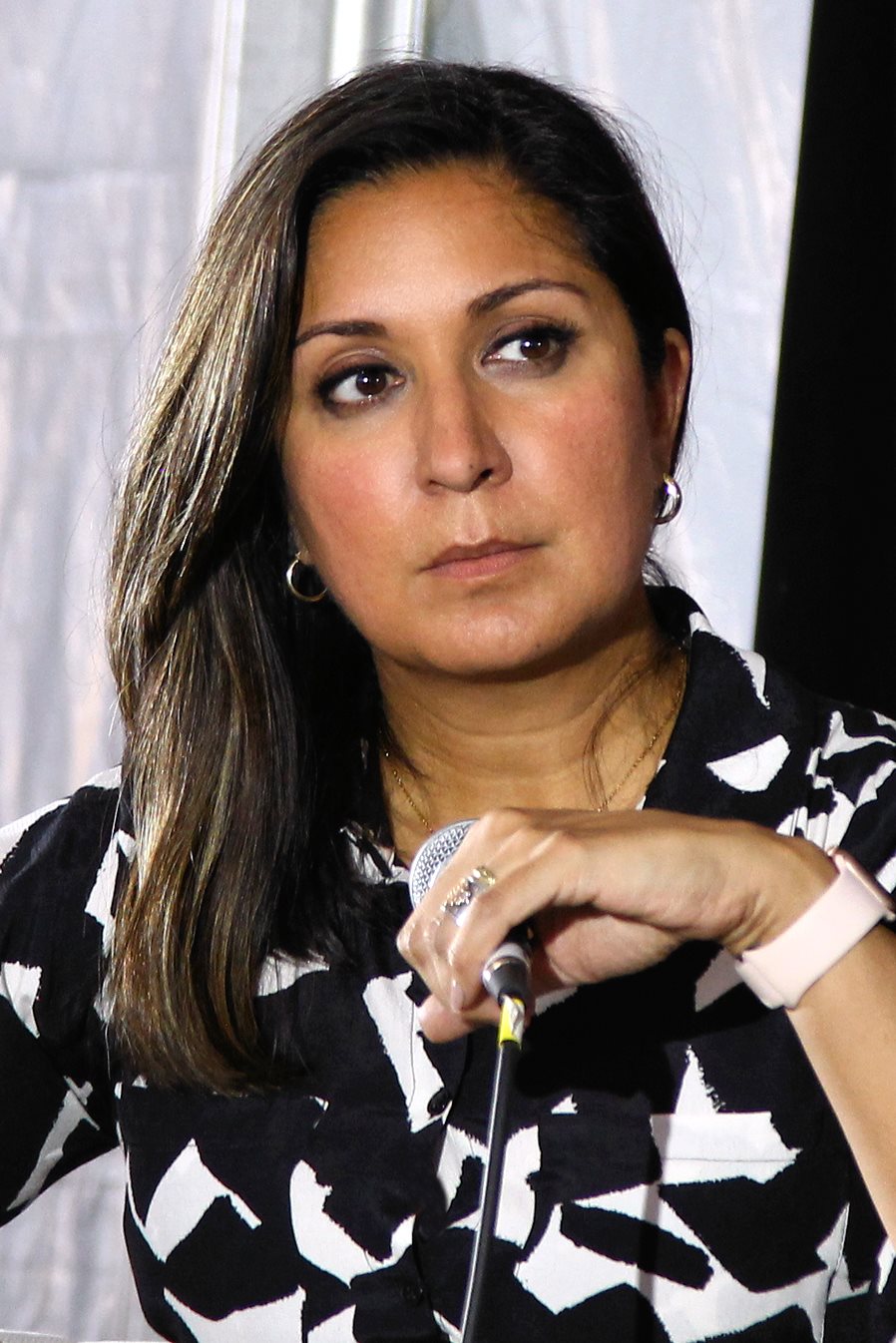
Reporting, newsroom leadership, and mentorship explain Amna Nawaz’s contribution beyond the milestone of becoming a PBS NewsHour co-anchor.
 Culture
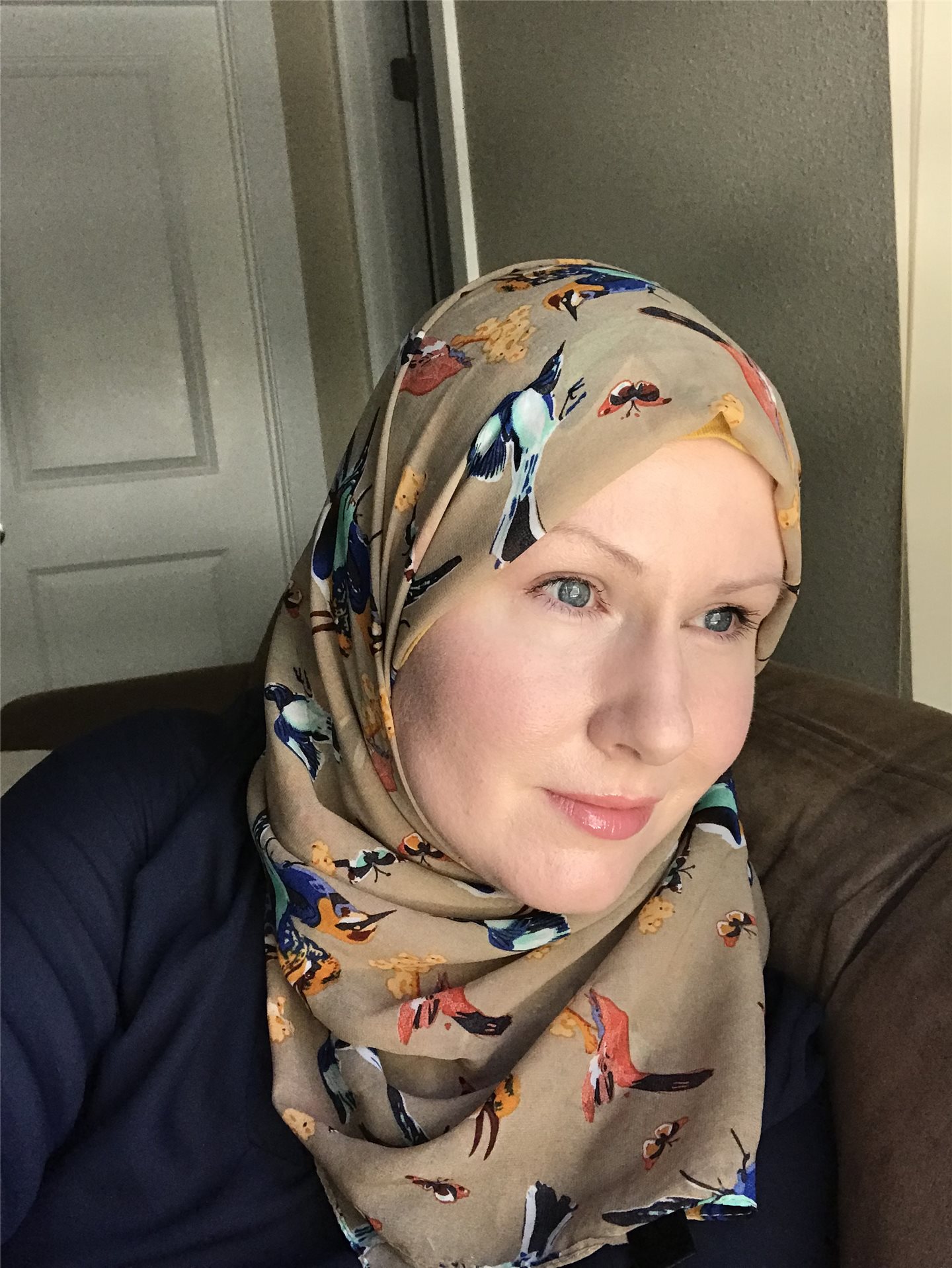
How G. Willow Wilson and her collaborators made room for a Jersey City teenager in mainstream superhero comics.
 Culture
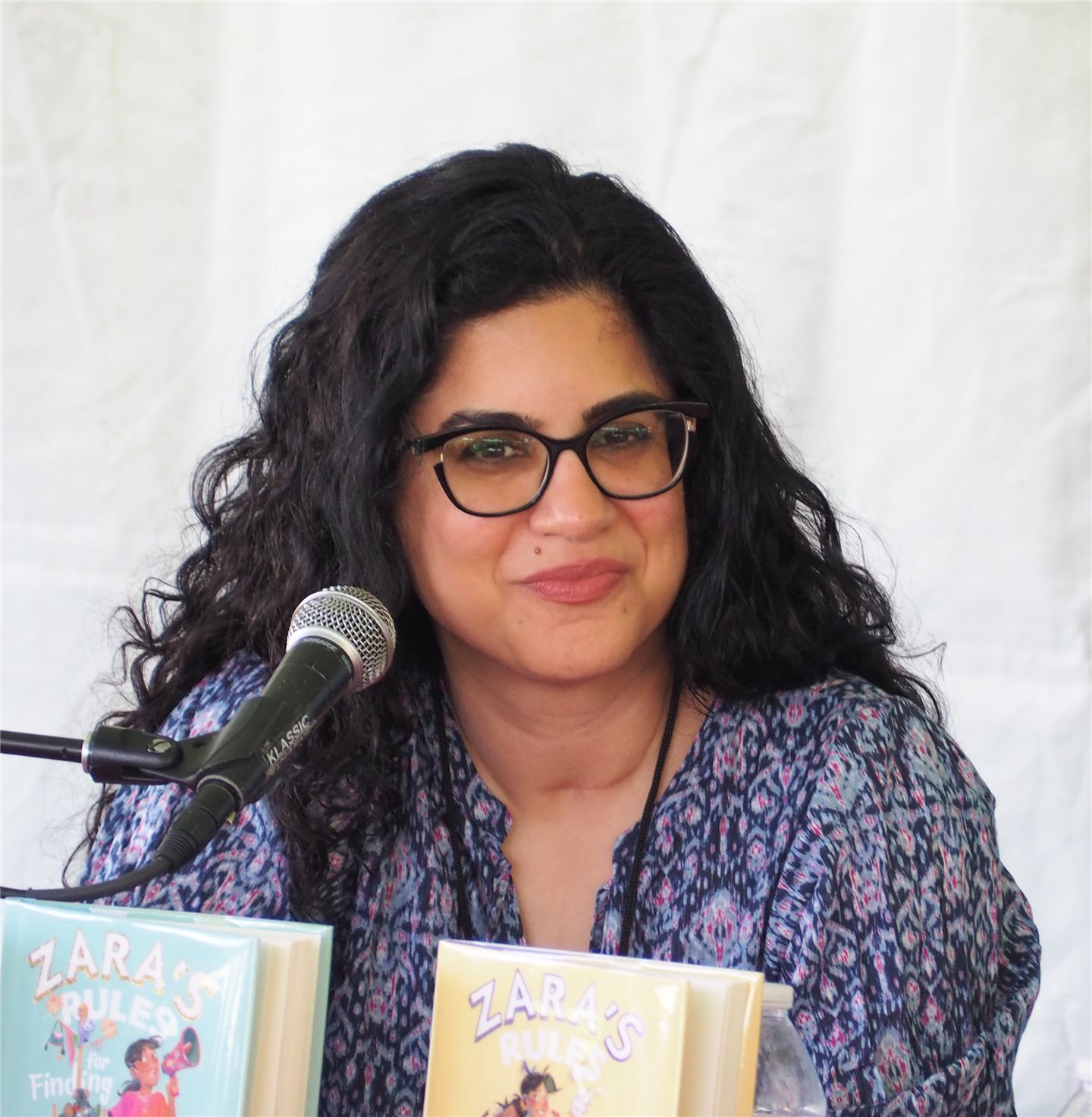
From Amina’s Voice to basketball comics, Hena Khan gives young American readers Muslim characters with interests, choices, and everyday lives.
From Mooz-lum to To Live and Die and Live, Qasim Basir brings family conflict, grief, and the city of Detroit into American independent cinema.
A teenager wants to find her voice. A superhero still has to get along with her family. A reporter follows an incomplete answer with another question. A filmmaker chooses which part of a city to show. These are different kinds of storytelling, but each depends on choices about whose experience receives attention and what an audience is invited to notice.
Muslim Americans contribute to the country's stories as writers, editors, journalists, filmmakers, and publishers. This collection follows five particular examples. It includes people creating imagined worlds and people accountable to reporting the real one, alongside a publisher helping writing reach readers. The aim is to examine the work: its characters, methods, collaborators, and routes into public life.
Hena Khan's children's books give readers Muslim characters with artistic interests, friendships, family relationships, and ambitions. Her writing spans several forms, including novels and graphic storytelling. A young reader can arrive through a favorite activity or a familiar feeling without having to approach a book as an explanation of religion.
That is a meaningful contribution to a reading culture. Children need stories in which a character's background matters, and they also need characters who have something to do. A protagonist can be Pakistani American and Muslim while wanting to make a team or become more confident. The wish, the obstacle, and the choices between them give the reader a reason to continue.
Khan's work also encourages attention to collaborators. In a graphic novel, an illustrator shapes movement, expression, pacing, and the path through a page. The relationship between words and pictures is part of the storytelling, not a decorative extra. A discussion that credits both writer and illustrator gives readers a more accurate picture of how books are made.
Choose a title by its format and the reader's interests. Let a child talk first about a character, a joke, or a moment of uncertainty. A book can become an opening to a larger conversation without being reduced to a lesson planned in advance.
G. Willow Wilson and her collaborators helped bring Kamala Khan into mainstream superhero comics. The character's extraordinary abilities sit beside an ordinary social world. Jersey City, family, friends, and the pressures of adolescence make the impossible body belong to a recognizable life.
The collaboration matters. Comics are built from decisions distributed among writers, artists, editors, and other production roles. A visible character can become famous while the work that created her slips out of view. Naming the team is a way to connect the cultural result with the people responsible for it.
A superhero story also gives a writer room to test scale. A vast threat can share space with an embarrassing conversation. Physical strength may solve one problem and be useless against another. That contrast allows a character to remain vulnerable without requiring the story to surrender its action or humor.
For readers, the best starting point is the comic itself rather than a summary of what the character symbolizes. Notice which relationship creates pressure, what the page reveals through pictures, and where the writing lets a mistake remain unresolved. A protagonist who is allowed to be imperfect has more room to become a person an audience remembers.
Daybreak Press, Rabata's publishing project, approaches American storytelling through an institution. Its stated focus on Muslim women's writing is supported by practical structures: submission guidance, editorial roles, a catalog, and work with the people who turn manuscripts into books.
This makes a different kind of contribution visible. Writing is only one stage. A manuscript must be assessed, edited, designed, produced, described, and made discoverable. Readers encounter the finished object, but its availability depends on decisions made long before it reaches a shelf.
For an aspiring author, the publishing process becomes less mysterious when each task is named. A synopsis explains a story to an editor; it is not the same as the enticing description on a back cover. A proposal for nonfiction has to make the structure and intended reader clear. An illustrator or typesetter contributes expertise that an author may not possess.
For readers, supporting literary variety can be as concrete as borrowing a title, requesting the correct edition through a library, or recommending a book with enough detail that another person can decide whether it suits them. The contribution continues through those ordinary acts of circulation.
Amna Nawaz's career includes field reporting, editorial development, debate moderation, and the PBS NewsHour anchor desk. Her public account of becoming a co-anchor places the milestone within a longer professional history and a concern for opening opportunities to other journalists.
Journalism belongs beside the other stories here, but its responsibilities differ from fiction. A novelist can invent a scene; a reporter must establish what happened and distinguish evidence from assertion. An interview needs questions an audience can understand and follow-ups that respond to what was actually said.
The wider newsroom is part of that contribution. Producers, editors, camera crews, researchers, and reporters make a program possible. Creating a reporting platform or offering an assignment can affect which subjects are pursued and which people get to build experience. Those decisions receive less attention than the face on screen, but they influence the work an audience receives.
When watching a segment, look for the point at which a claim becomes a question. How is uncertainty explained? What context lets a viewer understand the stakes? Those observations make it possible to evaluate the journalism itself, beyond agreement with a guest or admiration for a presenter.
Qasim Basir's films include family conflict, college life, grief, romance, and different possible futures. Detroit is a particularly important setting in his work. The city is not merely a name in a synopsis; selecting how to photograph it is part of the filmmaking.
A screen image can make a familiar place newly visible. The camera decides whether a building is a distant silhouette, a lived interior, or a route someone crosses. Color, movement, and sound influence how the audience experiences it. A film's contribution can lie in those choices as much as in a speech delivered by a character.
Basir's documented Muslim background informs parts of his public account, but his work does not need to remain within a single subject. A filmmaker can return to family and place while exploring other kinds of dramatic questions. That freedom is part of participating fully in American cinema.
For a discussion, distinguish the character's action from the film's attitude toward it. Sympathy does not automatically mean endorsement. A difficult protagonist can make a viewer think harder than an idealized one. The point of a dramatic life is not to pass a test of exemplary behavior.
These five routes reward comparison. A comic distributes information across panels; a film controls duration and camera position; a novel works through sentences; an interview changes as answers arrive. A publisher helps several forms find an audience. The differences are part of what makes the collection useful.
There is also a shared practical question: what enables a person to tell the next story? Training, collaborators, editorial attention, production resources, and readers or viewers all play a part. A collection focused only on famous titles would miss those conditions. A collection focused only on identity would miss the actual work.
Begin with the form you already enjoy, then try one that asks you to read or watch differently. A library request, a carefully credited book discussion, or an authorized community screening can turn an individual encounter into a shared one. The contribution becomes visible in particular stories and the people who make them available, rather than in a claim that any one author or character represents Muslim America as a whole.
CultureFrom Amina’s Voice to basketball comics, Hena Khan gives young American readers Muslim characters with interests, choices, and everyday lives.
CultureHow G. Willow Wilson and her collaborators made room for a Jersey City teenager in mainstream superhero comics.
Explore Rabata's publishing project through its catalog, editorial team, and manuscript guidelines.