
 Culture
Clara Muhammad and the schools that carried her name
The educational legacy of Clara Muhammad places Black Muslim institution-building within the history of American schooling.
Five stories connect Black Muslim schools, campus organizing, an accredited college, scholarships, and classroom education.
CultureThe educational legacy of Clara Muhammad places Black Muslim institution-building within the history of American schooling.
ING’s classroom programs made public education a practical route for Muslim Americans to address misunderstanding.
Scholarships, grants, and professional pathways focus support on law, policy, media, and film.
 Culture
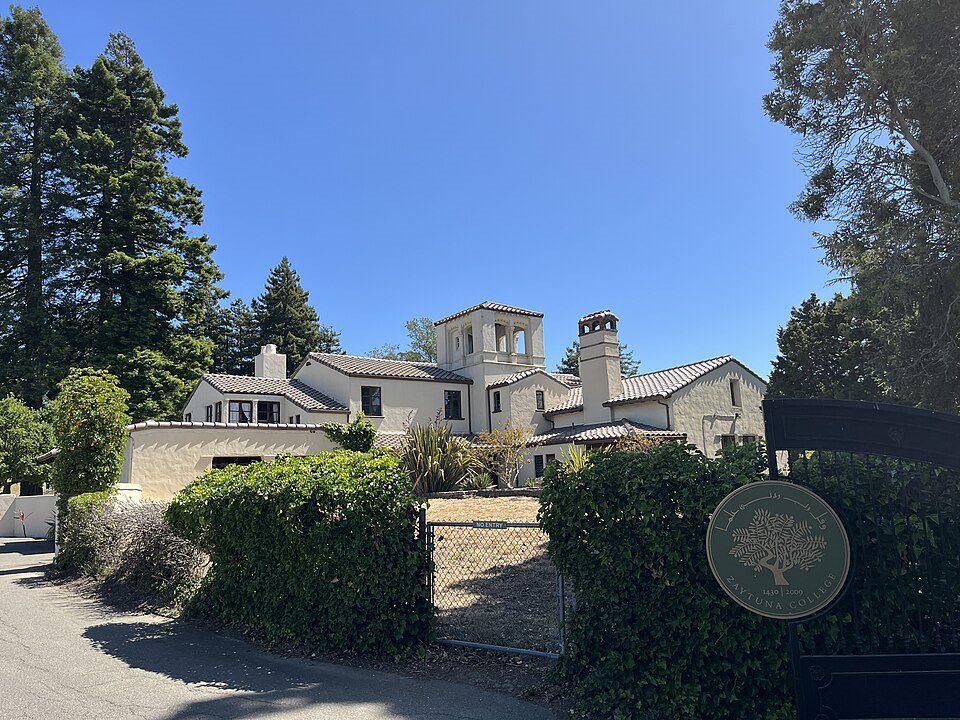
A Berkeley college brought an explicitly Islamic liberal-arts curriculum into the American system of institutional accreditation.
 History
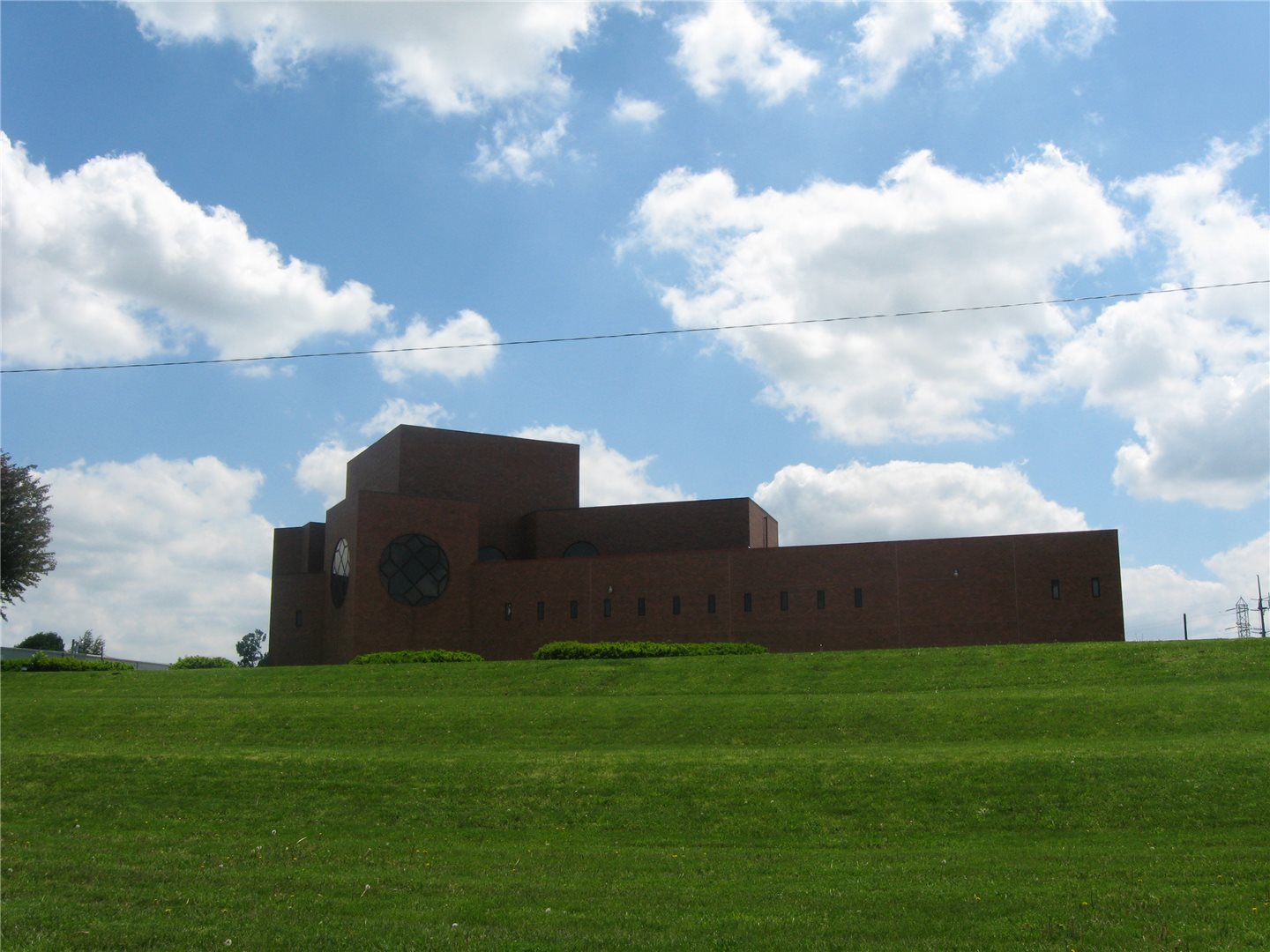
The student networks and Indiana institution behind the emergence of ISNA.
A school, a student association, a college, a scholarship fund, and a classroom presentation all belong to education. They do not do the same work. Together, the five stories in this collection show Muslim Americans contributing through several kinds of institution: creating places to study, supporting people already studying, and helping the wider public learn about their neighbors.
The distinction is useful because education is often reduced to a list of accomplished graduates. Individual achievement matters, but it does not explain who built the settings in which people could meet, learn, and continue. This collection follows that institutional work. Its subjects include Black Muslim educational history, student organizing in the Midwest, a liberal-arts college in California, targeted professional support, and public religious-literacy programs.
The pages are not a ranking of schools or a recommendation that every Muslim family choose a particular kind of education. They are a set of documented histories with different questions at their center.
Clara Muhammad and the schools that carried her name begins with Black Muslim institution-building. The schools named for her make an educational legacy visible that can disappear when histories focus primarily on male religious leaders and public speeches.
The Pluralism Project’s profile identifies her role in the educational work associated with the Nation of Islam and its subsequent institutional history. The article follows what that legacy means for understanding American schooling, while distinguishing a shared name from the particular history of each local school.
The central question is how a community sustains an institution for children. A school requires repeated work: teaching, administration, materials, space, and relationships with families. Recognizing that labor changes the scale at which a contribution becomes visible. It asks readers to consider years of ordinary school days alongside the dates that usually organize a national chronology.
This is also a route into objects and local archives. A yearbook, a school newsletter, or an anniversary program can reveal people who never became nationally famous. Such material deserves careful reading in its own right, rather than being used only as a background image for a more familiar leader.
From campus prayer rooms to a national Muslim organization follows the Muslim Students Association and the emergence of ISNA. The student organization began at the University of Illinois in 1963. Later institutional development brought a national headquarters to Plainfield, Indiana.
The Encyclopedia of Indianapolis and an institutional retrospective provide different views of that development. The first locates it within regional history; the second describes organizational decisions from an insider’s perspective.
What makes the story educational is not simply the fact that its founders were students. They built relationships and organizational practices that survived graduation. A campus association could become a point of contact for people moving into professional and community life.
The geography matters too. Illinois and Indiana are central to this account. Muslim American institution-building did not occur only in the coastal cities most often associated with immigration. The student story places the Midwest within a national network while retaining the specific role of a university meeting and a physical headquarters.
Zaytuna College and an Islamic place in American liberal education examines a different task: establishing a college with a defined curriculum and external accreditation. The WSCUC directory records the institution’s first accreditation in 2015.
The article separates that milestone from the founding of the college and the beginning of particular degree programs. This is a small but important way of understanding institution-building. A founding date does not contain every later step.
Zaytuna’s explicitly Islamic liberal-arts project raises questions about texts, languages, and intellectual traditions. Its contribution is not that it represents every Muslim approach to higher education. It is that it created one sustained educational model within the American college landscape.
For readers interested in the ideas rather than enrollment, public essays and lectures provide another entry point. A college’s intellectual life can reach people who never become degree candidates. Reading one piece closely offers a better introduction than treating accreditation as a ranking or a promotional description as a complete account of a curriculum.
The Islamic Scholarship Fund profile moves from institutions that teach to an organization that supports people studying elsewhere. Its programs focus on fields including law, policy, media, and film.
The educational question is where limited resources can create opportunities. Choosing a field is part of the fund’s strategy: it directs attention toward professions involved in public decisions and public representation. The article distinguishes the organization’s stated goals from evidence of later outcomes.
That distinction allows a fair assessment. A scholarship award is a concrete intervention. Whether it changes a recipient’s career or the institution they later join is a further question. A strong history can recognize the former without inventing the latter.
Readers considering an application should use the current program pages and clarify inconsistent requirements directly with the fund. The feature explains the model; it does not replace the organization’s application process.
Maha Elgenaidi and the work of teaching about Muslim neighbors concerns public education through speakers and resources. Elgenaidi’s first-person account documents her Muslim identity and describes how an individual concern became organized work.
This route differs from founding a school. ING works with educational settings that already exist. Its contribution lies in creating ways for teachers and audiences to encounter information and experience they may otherwise miss.
The article focuses on classroom education, not mosque open houses or religious instruction. A speaker can bring a personal perspective; a teacher can place that perspective alongside historical evidence and other accounts. The value of the encounter depends on respecting those different roles.
The five subjects show why educational contribution cannot be measured by one number. A school’s continuity, a campus network, a degree program, financial support, and a public lesson have different purposes. Comparing them is useful when the comparison asks what each makes possible.
For a reading group, begin with one concrete question: what did the people in this story build that did not previously exist in that form? Then ask who could use it, what evidence documents it, and which work continued after the founding moment. Those questions keep the discussion connected to institutions and people rather than broad praise.
The collection also leaves room for further local research. A national overview should lead readers toward particular schools, archives, campuses, and published work. Muslim American education becomes more understandable as those details accumulate—not when every distinct history is compressed into one representative story.
CultureThe educational legacy of Clara Muhammad places Black Muslim institution-building within the history of American schooling.
ING’s classroom programs made public education a practical route for Muslim Americans to address misunderstanding.
Scholarships, grants, and professional pathways focus support on law, policy, media, and film.