
 Culture
How Muslim Americans built places and pathways for learning
Five stories connect Black Muslim schools, campus organizing, an accredited college, scholarships, and classroom education.
The educational legacy of Clara Muhammad places Black Muslim institution-building within the history of American schooling.
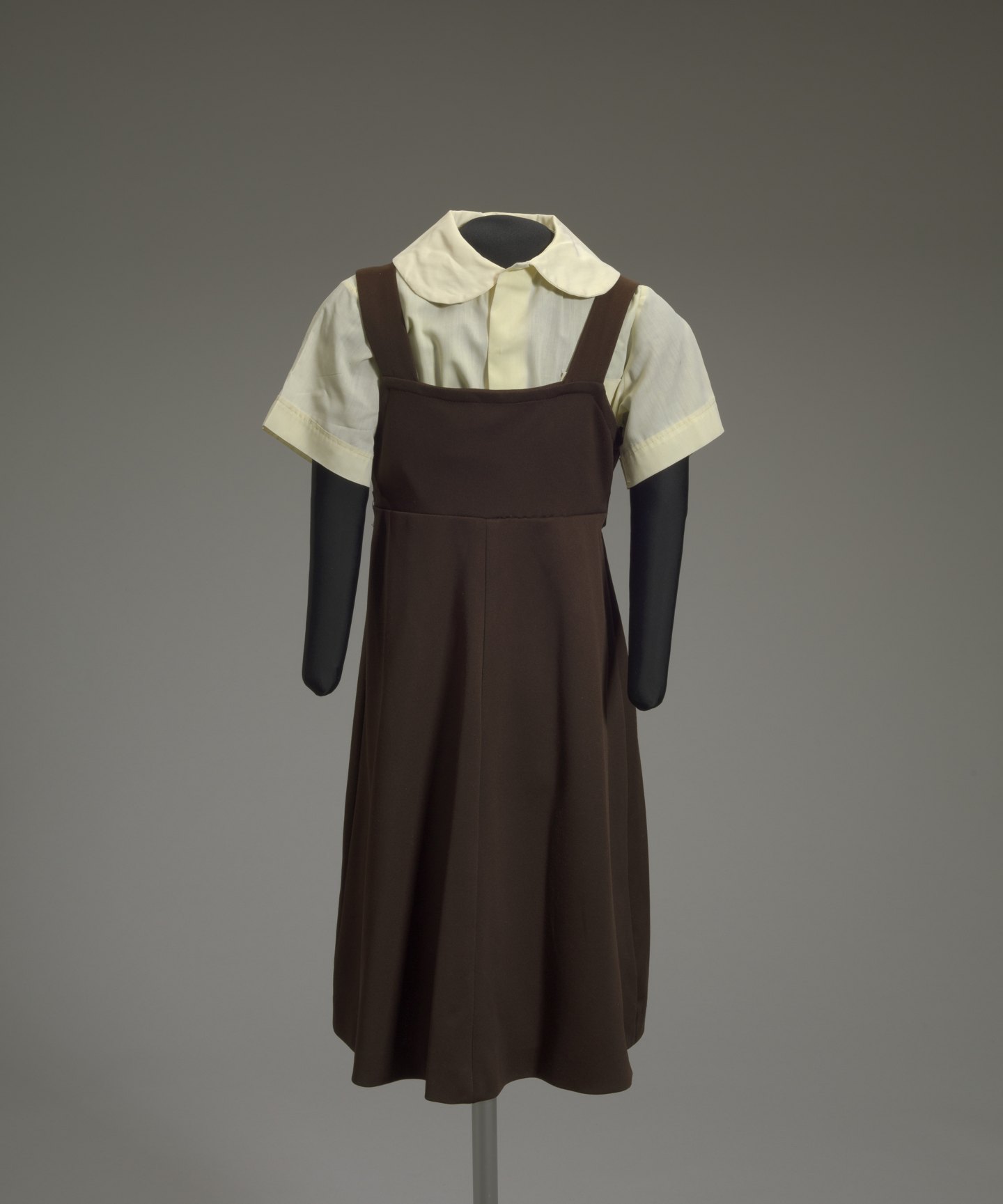
A dark brown polyester beret in the Smithsonian’s collection once belonged to a school uniform worn by Medina Rowell in Chicago. The museum dates it to 1978–1979 and identifies its issuer as Sister Clara Muhammad Schools. Object 2013.224.8 offers a tangible starting point for this educational history: something a named student wore, preserved long after its everyday use.
The National Museum of African American History and Culture’s catalog record credits the beret as a gift of Jamilah Sahib. Its maker is unidentified. Those details distinguish what the museum knows from what a viewer might imagine. The object connects a particular wearer, city and period; it does not establish what every school in the network required or how Rowell experienced her education.
For a classroom discussion, start with the catalog fields before making a broader claim. Who used the object? Where and when? Who preserved it? A uniform can document an institution’s everyday presence without standing in for the whole experience of its students.
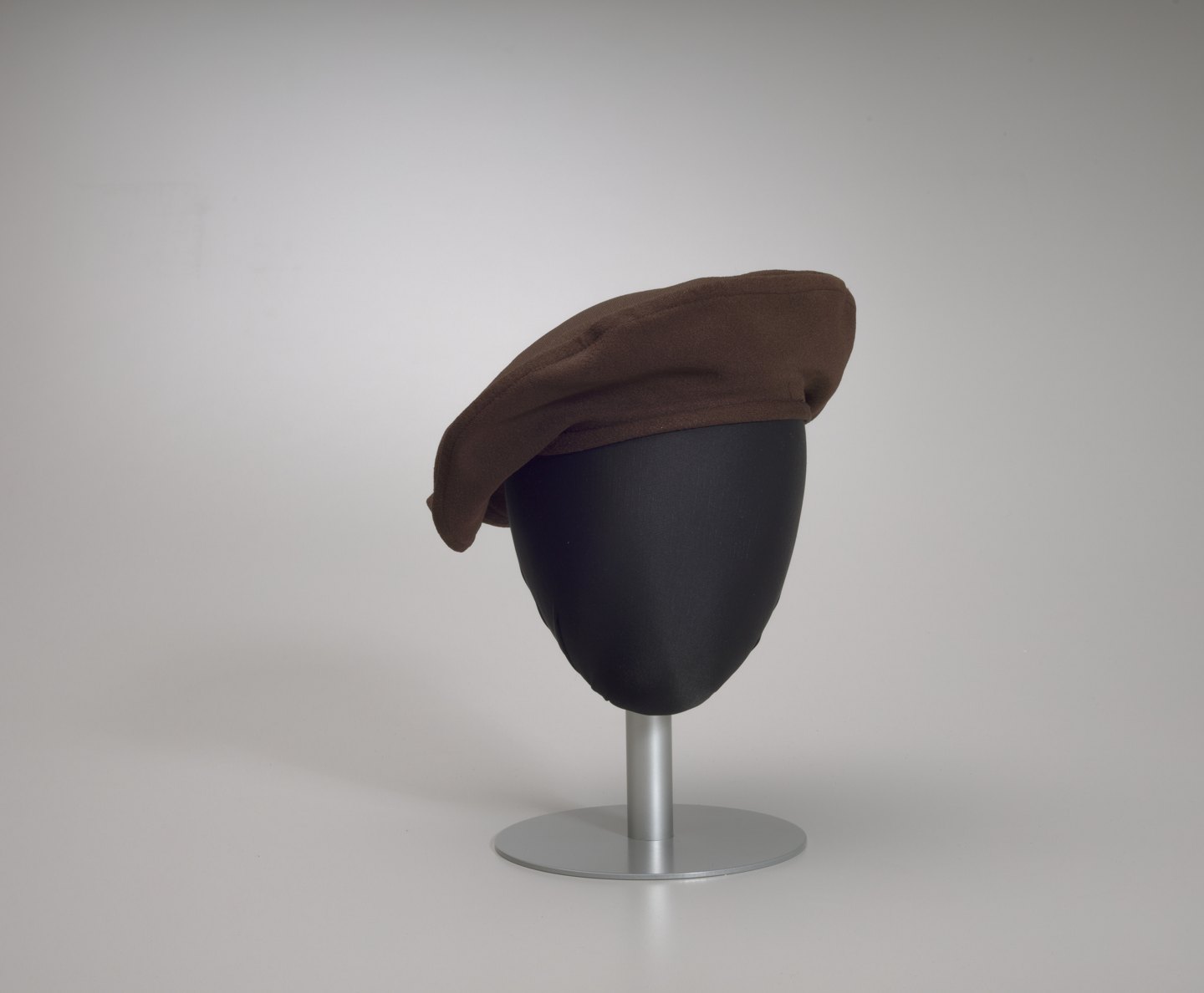
The museum also preserves Rowell’s brown jumper and pale yellow blouse, dated to the same period. Its catalog describes a square neckline, back ties and a rounded blouse collar. The two garments and beret give readers specific material details to compare, rather than a generic illustration of a classroom.
Harvard’s Pluralism Project profile identifies Clara Muhammad as Elijah Muhammad’s wife and W. Deen Mohammed’s mother, and credits her educational leadership in explaining why schools were named for her. It describes institutions serving Muslim and non-Muslim children. Family relationships locate her in the movement’s history; the schools preserve recognition of her own work.
This educational lineage belongs to African American Muslim history. It should not disappear into an account that treats American Islamic schooling solely as a product of recent immigration.
The sources do not supply a single current census of these schools. The Pluralism Project’s short biography refers to more than fifty institutions associated with the Nation of Islam or W. Deen Mohammed’s ministry. Its separate discussion of public and private education, which uses a 2020 frame for American Islamic schools, identifies ten Sister Clara Muhammad institutions. The pages do not reconcile their different totals. Neither figure should be presented here as a verified count operating today.
That education essay also places private schools within a wider landscape that includes public schooling and parents working to improve how religion is taught. A school network is one part of Muslim American educational life, not a description of where every Muslim child learns.
The documentary project Clara’s Fruit offers a discussion guide and an oral-history initiative for former students, teachers and staff. It names the University of Islam, Sister Clara Muhammad Schools and Mohammed Schools among the institutions whose participants can contribute.
Those names provide useful questions for a local history: what was the school called when a person attended, and did its name or organization later change? A recollection may preserve a classroom routine or a teacher’s influence that an institutional timeline leaves out. It remains a participant’s account, to be read alongside dated records where available.
The project also links a Smithsonian Learning Lab collection and suggests formats for post-screening discussions. These are resources to explore; their presence does not establish that the film itself is freely available to stream.
For further research, look for a school’s own archived publications, commencement programs or dated history. Keep the establishment of the local school separate from the founding of a wider movement. The Chicago beret shows why that precision matters: its documented use belongs to 1978–1979, not to every period of Clara Muhammad’s life or the schools’ development.
Read next about student organizing and the emergence of ISNA, a different route from education to community institutions. The education collection connects these histories without treating them as one organization.
CultureFive stories connect Black Muslim schools, campus organizing, an accredited college, scholarships, and classroom education.
ING’s classroom programs made public education a practical route for Muslim Americans to address misunderstanding.
Scholarships, grants, and professional pathways focus support on law, policy, media, and film.