Asiyah Women’s Center and a different route into New York’s cultural life
Asiyah Women’s Center dates its founding to 2018. Its public account describes emergency residential support addressing gaps faced by Arab, Middle Eastern, Muslim, South Asian and other underserved survivors of domestic violence. It names Dania Darwish as a co-founder and executive director.
An institution’s account of whom it serves
The center reports having assisted more than 1,000 women and families since its founding. That is the organization’s cumulative figure, not a count independently audited by Muslim Nook. Its description includes people with different ethnic and religious identities. Those categories should not be treated as interchangeable, nor should every person using the service be presumed Muslim.
Public history without exposing private lives
The center’s public history supplies the information needed for this institutional introduction. A resident’s identity, personal account or location is not necessary to illustrate its purpose. This guide therefore points to the organization’s public page without presenting a shelter as a visitor attraction.
Its inclusion alongside cultural stories reflects the range of institutions a city contains. It does not imply a partnership between Asiyah and the museums or historical subjects linked below.
At The Met: an object built from many pieces
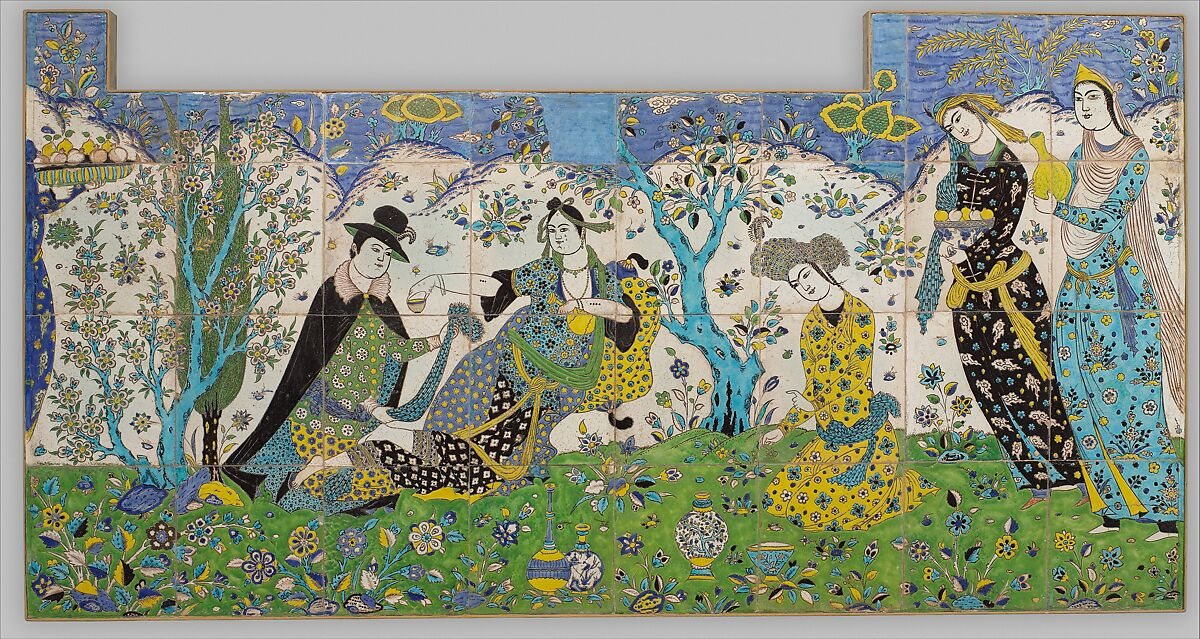
For a public cultural destination, begin with Garden Gathering in The Met’s collection. The museum dates the tile panel to 1640–50 and identifies its medium as painted, polychrome-glazed stonepaste using the cuerda seca technique. The scene extends across individual tiles, making the joints as useful to look at as the figures.
A figure in European dress appears among the gathering. The Met suggests he may be a merchant; the uncertainty belongs in the interpretation. An illustrated social scene also demonstrates why “Islamic art” does not mean that every object was made for worship.
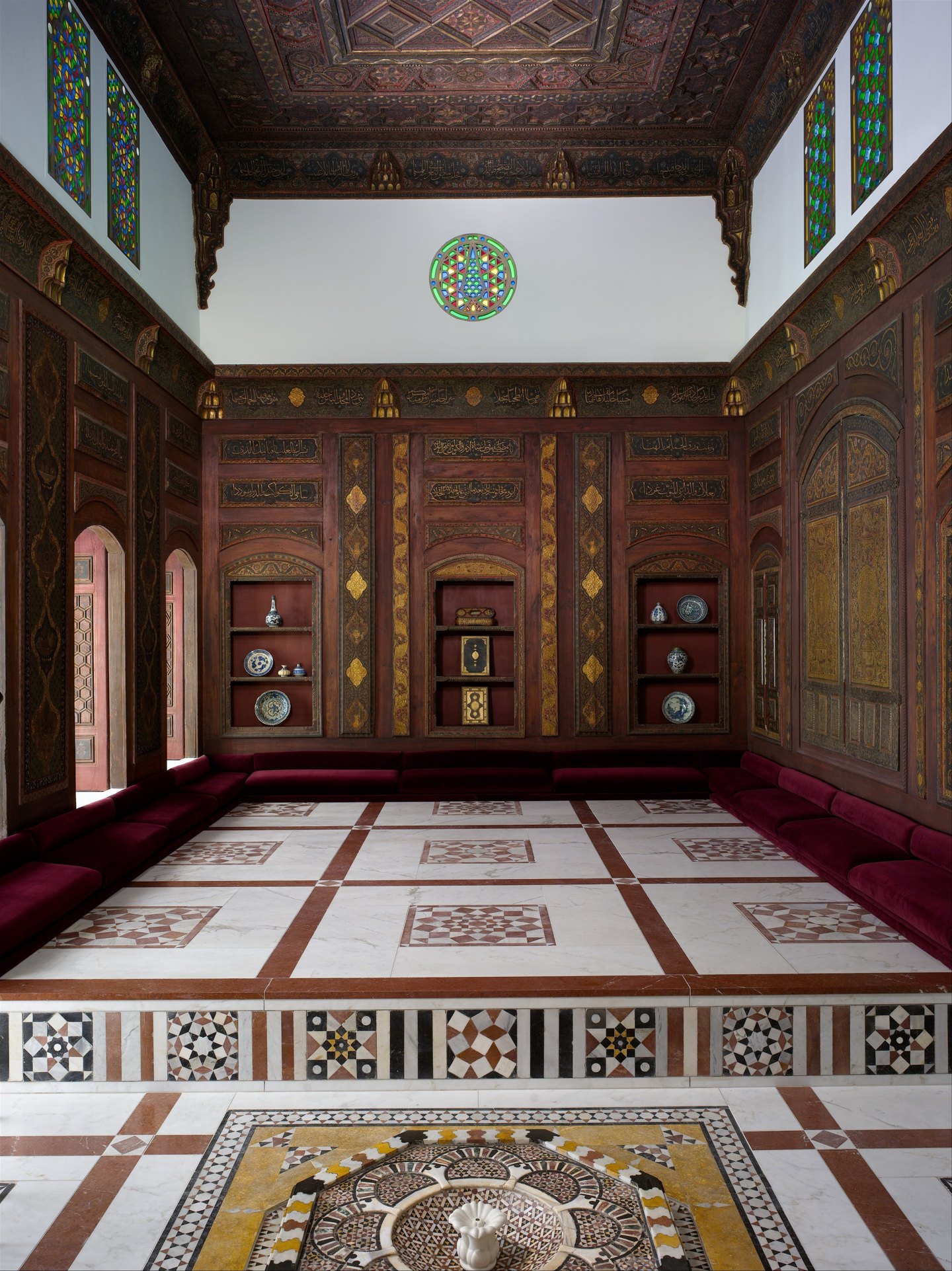
The museum labels its images of this work Public Domain. That makes the record useful for looking closely after a visit as well as for researching the object. Our gallery guide places it beside architectural spaces and offers a manageable route through the collection.
Follow one subject beyond this page
Use the city guide to explore New York’s institutions and neighborhoods. For a historical reading route, continue with the Malcolm X article. These are separate strands of the city’s story, with their own sources; they should not be compressed into a single representative account of Muslim New York.
Follow the story
Explore the original reporting and organizational records:
Selected local stories, not a complete account of the state. Events and figures refer to the periods stated above. Check directly with organizations for current services.