Okolo Rashid and Emad Al-Turk wanted Jackson audiences to learn about Muslim influence in Spain. When a planned exhibition focused on Spanish history from 1700 onward, they organized a companion exhibition reaching further back. Islamic Moorish Spain opened in April 2001. A 2017 Mississippi Today account traces how that temporary project developed into the International Museum of Muslim Cultures.
An exhibition that stayed
The founders originally expected to close their exhibition in October 2001, according to Intisar Seraaj’s reporting. After September 11, they encountered hostility but also support from educators, faith communities and local leaders. Rashid recalled an interfaith delegation organized through Millsaps College and a fundraising luncheon hosted by former mayor Harvey Johnson Jr. The report dates the transition into a continuing museum to May 2002.
The written heritage of West Africa
The museum’s website presents Legacy of Timbuktu: Wonders of the Written Word as one of its exhibitions. Its focus is a West African culture of scholarship, manuscripts and the book trade. This gives visitors a route beyond the assumption that Islamic history belongs only to the Middle East.
Begin with what a manuscript records: writing, learning and the work of preserving knowledge. Then consider why a museum in Jackson chose to make that history accessible to its neighbors. Exhibition interpretation is an invitation to investigate, not a substitute for the provenance and description of an individual object.
A Mississippi connection to explore next
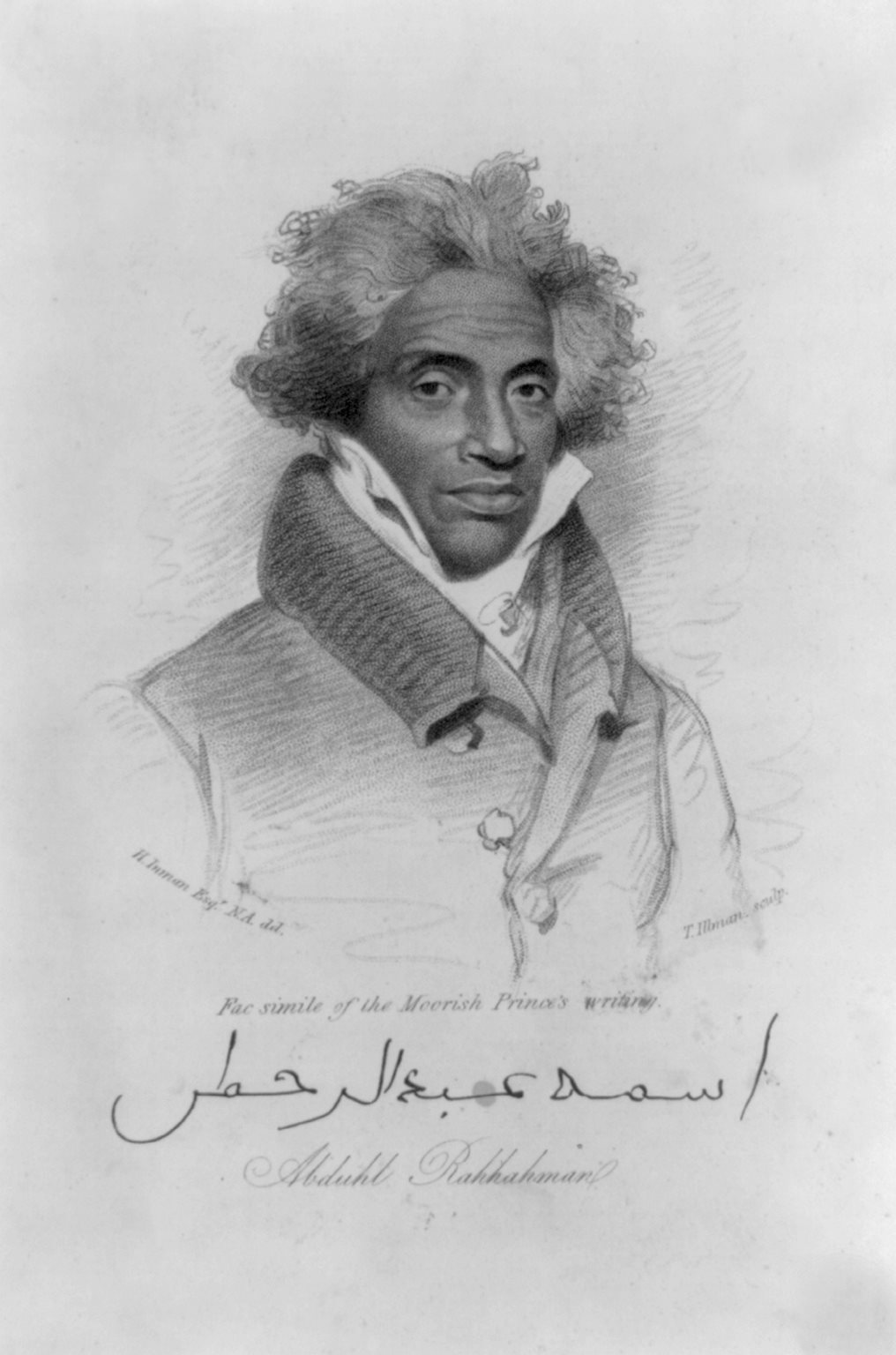
Muslim Nook’s longer account of Abdul Rahman Ibrahima follows a different West African history, centered on enslavement in Mississippi. It is a separate story, not a claim that he came from Timbuktu or that his documents are displayed in this exhibition. Reading it alongside the museum’s themes can broaden an exploration of African Muslim histories in the state.
Start with the museum’s own visitor information
The museum lists its location in the Mississippi Arts Center on East Pascagoula Street in Jackson. Check its current exhibition and visitor pages before planning a trip; a 2017 interview cannot establish today’s displays. The original founders’ story remains useful for understanding why a temporary response to another exhibition became an enduring educational project.
Follow the story
Explore the original reporting and organizational records:
Selected local stories, not a complete account of the state. Events and figures refer to the periods stated above. Check directly with organizations for current services.