
Muslim Family Services of Colorado traces its beginnings to Muslim women organizing in the 1990s. Its history describes a response to social and legal difficulties within a growing community. The contribution was institution-building: turning concern about families’ circumstances into services, advocacy and education.
Support that considers language and culture
The organization describes cultural, language, income and religious barriers among the difficulties its work addresses. It emphasizes confidential, culturally responsive support delivered by professional staff and trained volunteers. This is its own account of its approach, rather than an independent assessment of outcomes.
Education, referrals and the limits of a service list
The services page names English-language classes, financial literacy, parenting and GED preparation, alongside counseling and support groups. It also distinguishes direct assistance from referrals to other organizations for needs such as legal aid and refugee services. A referral is a connection to another provider, not a claim that one office supplies every kind of expertise.
The page says most services are free, while ongoing clinical counseling uses sliding-scale fees and professional cultural-competence training carries a fee. It would therefore be inaccurate to describe every service as free. Readers should use the organization’s own information to confirm current availability and access.
A museum record of a living community
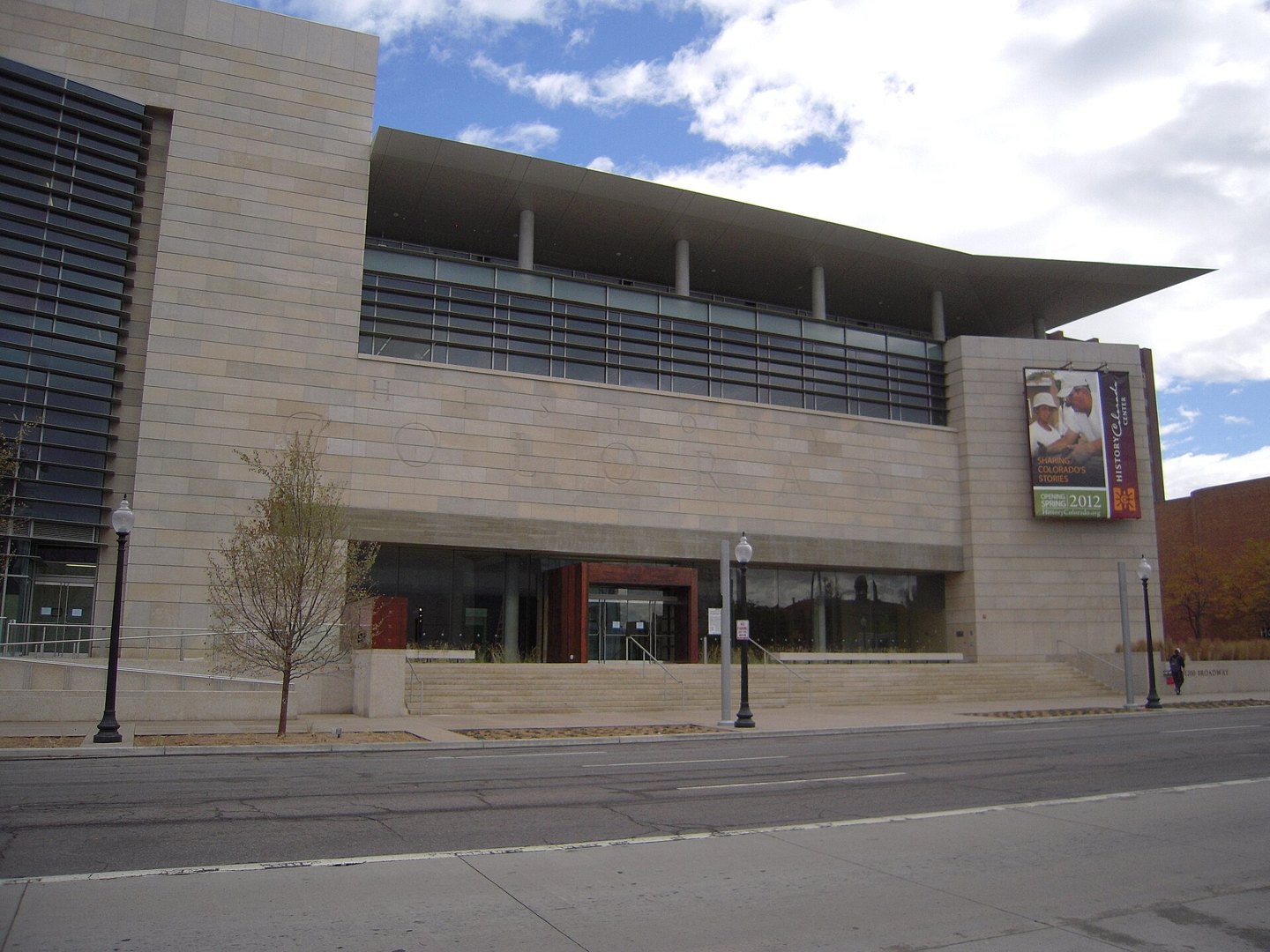
History Colorado holds an oral history of Imam Muhammad Kolila about the Downtown Denver Islamic Center. The catalog identifies interviewer Indira Saha, records the interview as made in May 2026 and gives a running time of 56 minutes and 23 seconds. Its object number is 2026.129.1.
The catalog summary describes discussion of the center’s history, education and social support. It links to a recording and lists a transcript. That creates a route into a named person’s account of an institution, rather than leaving readers with an anonymous description of a community.
We reviewed the catalog record, not the entire recording or transcript. Its description of recollections about nineteenth-century Muslim life is not used here as independent verification of those earlier events.

Research that respects private lives
A public oral-history interview and a confidential family-service encounter have different purposes. The former is intentionally preserved for listeners; the latter need not become a public story to establish that an organization matters. A useful guide can explain both institutions without identifying people seeking assistance.
Begin with the family-services pages for practical information and the History Colorado catalog for the interview. Keep the record number with your notes: it is a more precise research aid than a broad search for Denver Muslim history.
Follow the story
Explore the original reporting and organizational records:
Selected local stories, not a complete account of the state. Events and figures refer to the periods stated above. Check directly with organizations for current services.