Connecticut’s Muslim volunteers connect shelter service and chaplaincy
At Hartford’s Mercy Shelter, the Muslim Coalition of Connecticut describes a regular volunteer commitment: preparing and serving a meal on the first Saturday of the month. It is one part of a wider network linking Muslim community organizers with shelters, educators and people training for chaplaincy. The contribution is practical, but it also includes helping other institutions understand the people they serve.
A coalition formed across three communities
The coalition traces its founding to 2004, when leaders from Berlin, Waterbury and Hartford joined other activists to develop public education and shared civic projects. Its stated goals reach beyond events within a mosque: relationships with schools, healthcare facilities and other faith communities, plus opportunities for young Muslims to take part in professional and service activities.
Helping a partner serve its clients
The coalition’s community-service account describes support for Hands On Hartford alongside its shelter work. It also records training for that organization’s staff and volunteers about Islam, intended to help them better serve Muslim clients. This is a useful distinction: assistance can mean contributing time and supplies, or giving a partner the knowledge to avoid misunderstandings.
For someone interested in joining a project, the coalition’s own service page is the starting point for current arrangements. A recurring schedule is not an invitation to arrive unannounced at a shelter, and older collection requests may no longer reflect what a partner needs.
Aida Mansoor’s connection between study and service
Aida Mansoor connects this community work with Hartford International University for Religion and Peace. The university identifies her as director of field education and notes her work with both the coalition and the Islamic Association of Greater Hartford. The coalition’s biography records her earlier studies in biochemistry and physiology, community health, and Christian-Muslim relations, followed by an Islamic chaplaincy certificate in 2012.
Hartford’s education team also includes Bilal W. Ansari, who directs its Islamic chaplaincy program. His university biography describes service in Connecticut corrections and the Federal Bureau of Prisons, as well as on military bases. These careers give the state’s story another setting: institutions where Muslim professionals contribute alongside colleagues serving people of many beliefs.
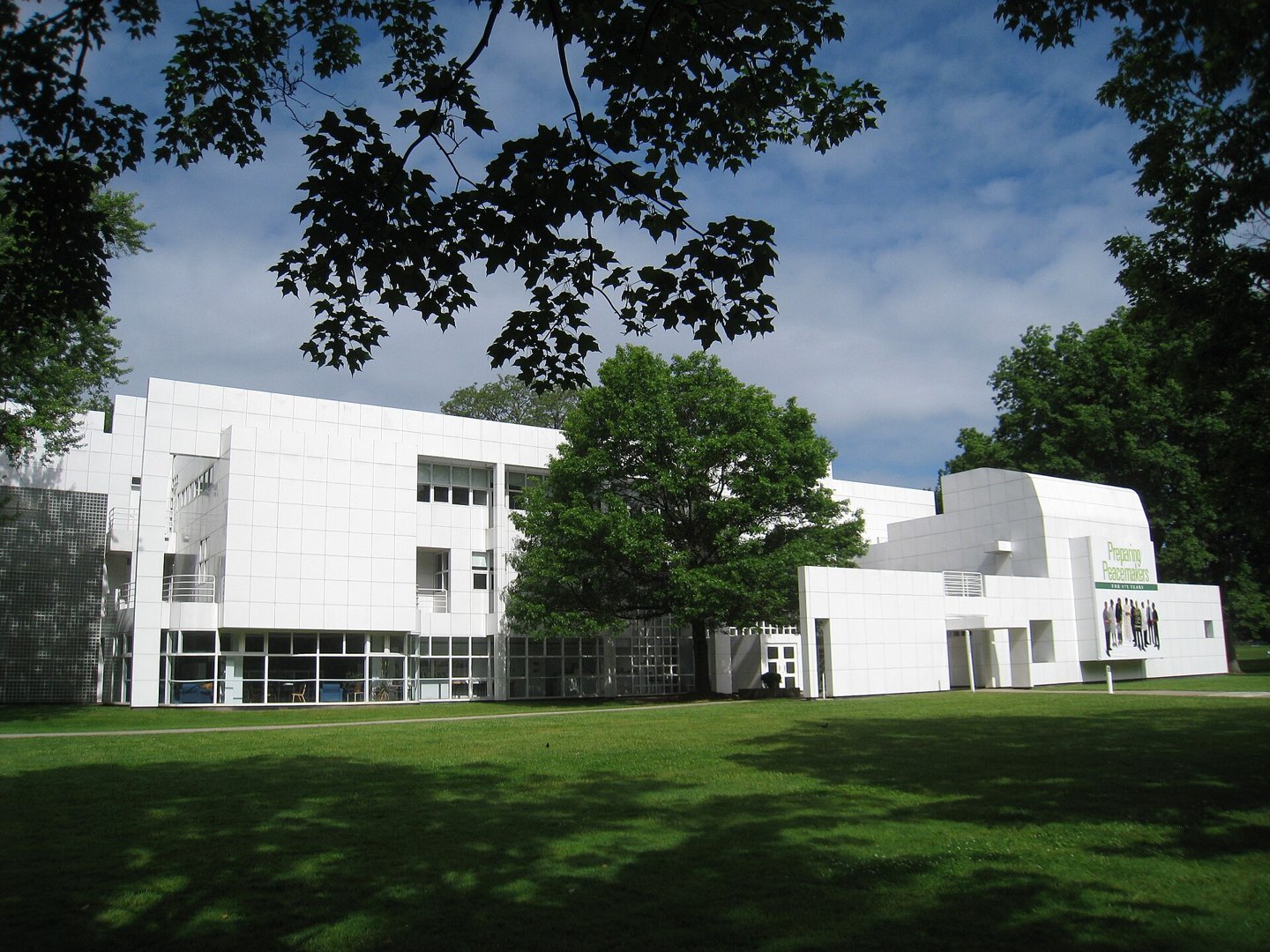
The university’s own chronology places the start of its Islamic Chaplaincy Program in 2001, two decades before Hartford Seminary adopted its present name in 2021. The older name on archival photographs therefore refers to the same institution.

Explore the work behind a community partnership
Read the coalition’s project descriptions alongside the university’s educator biographies. Together they show distinct kinds of work—organizing volunteers, preparing chaplains and teaching across religious differences—without requiring one institution to represent every Muslim in Connecticut.
Follow the story
Explore the original reporting and organizational records:
Selected local stories, not a complete account of the state. Events and figures refer to the periods stated above. Check directly with organizations for current services.