
 History
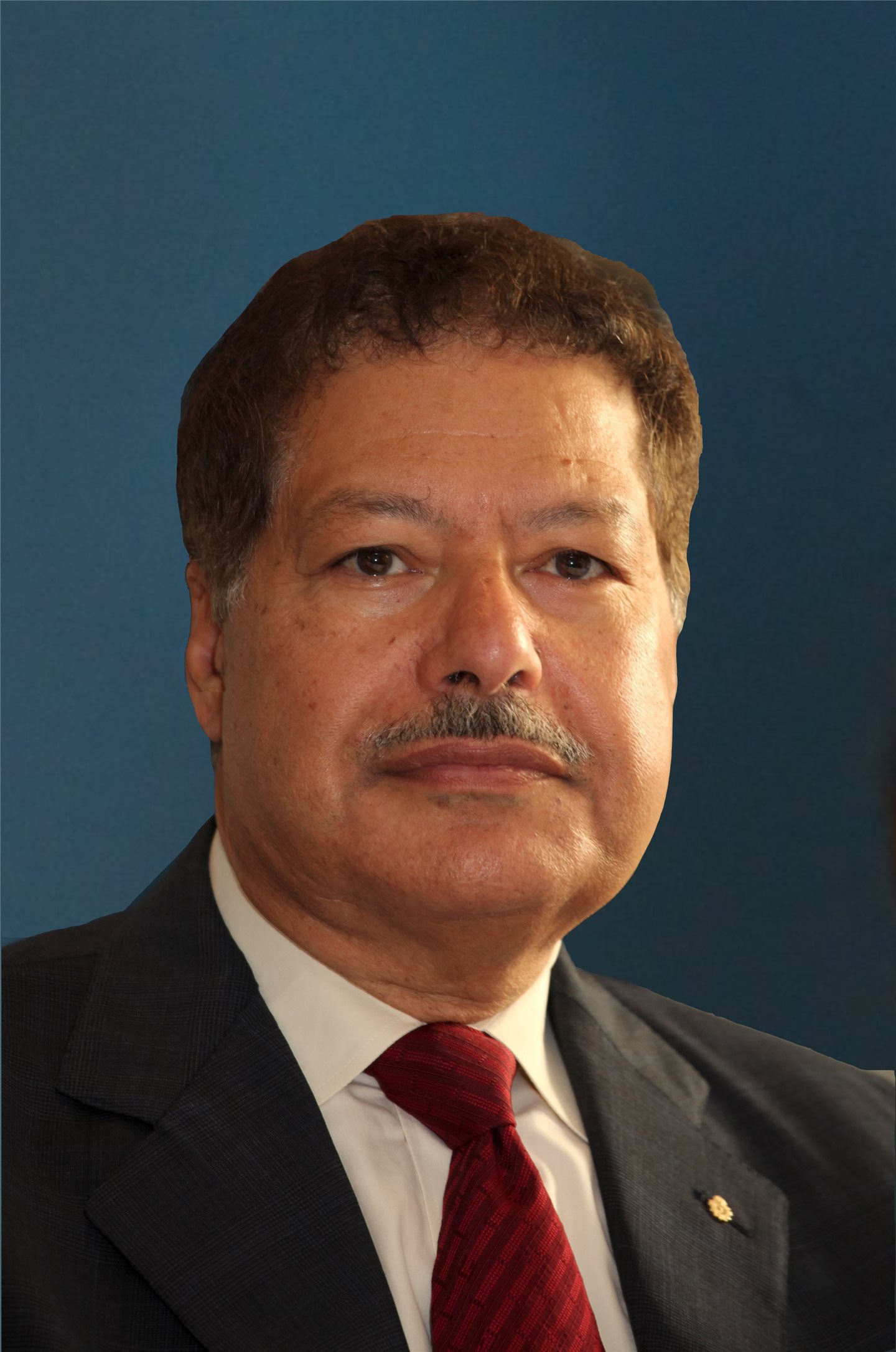
Ahmed Zewail: making chemical change observable
How a Caltech laboratory opened a window onto molecular motion, and why instruments and collaboration matter to the story.
Explore the Islamic Center of New England’s roots in family networks, fundraising, and the South Street mosque.
The Islamic Center of New England in Quincy grew from families whose community life preceded a dedicated mosque by decades. Its history connects a Massachusetts working landscape with immigrant households, locally raised children, and relationships across religious lines. By the time the South Street building opened in 1964, the work of creating a congregation was already well established.
The Islamic Society of Boston’s historical account describes the Arab American Banner Society, formed in 1934, as a precursor to the mosque. That organization provided a way for families to sustain charitable and social activity while working toward a permanent religious home.
The ISBCC History Committee names eight founding families and traces arrivals from the late nineteenth century into the 1910s. Abdullah Abraham arrived in 1895; Ameen Sulieman in 1908; Toufic Derbes and the Hassan brothers in 1909. Naming these households makes the chronology personal. The families did not all arrive together, and the eventual mosque emerged from relationships built over decades. The same account notes that American-born leaders drew on the organizational examples of neighboring churches and synagogues when establishing the center's governance.
Quincy’s story is grounded in employment and settlement. Historical accounts connect early Muslim families with the Fore River Shipyard and the surrounding area. Their lives developed alongside the industries, streets, and neighbors of the city rather than in a separate religious landscape.
The founding generation’s children became important to the eventual building project. According to the Islamic Society of Boston’s account, American-born adults contributed to the mosque alongside a long fundraising effort supported by neighbors and acquaintances. The resulting institution reflected both family continuity and wider local relationships.
This is why the years before 1964 deserve attention. Organizational minutes, event programs, family photographs, and fundraising records can reveal how a building became possible. A construction date gives a clear milestone, but the process leading to it often explains more about the community.
Harvard’s Pluralism Project describes the center as a longstanding presence in suburban Quincy. An archived State Department feature, drawing on the project’s research, discusses the growth that followed the mosque’s opening and changes in immigration.
That older feature is useful as a historical snapshot. Its descriptions of membership and leadership belong to the period when it was written. Readers planning a visit should use current institutional information for today’s programs, staff, and access arrangements.
A congregation can retain its founding story while changing substantially. New families may bring languages, experiences, and expectations different from those of earlier members. The building then becomes a place where inherited local relationships and new arrivals meet.
The Pluralism Project’s account of grassroots cooperation describes relationships involving the Quincy mosque and neighboring religious institutions. Such cooperation can be studied through particular events, people, and shared activities. Specific examples are more informative than a general claim that everyone always lived in harmony.
For visitors, this history suggests useful questions. Which neighborhood organizations helped with the original project? How did younger members describe their place in Quincy? Which public activities brought the congregation into contact with the wider city? Answers can connect institutional history to ordinary local life.
The records may also show practical work that rarely appears in a building’s official chronology. Preparing food, organizing transport, maintaining rooms, and coordinating gatherings create the conditions in which a community can continue. Family testimony is particularly valuable for recovering that less visible labor.
Begin with the contemporary institution’s historical account, then compare it with the Pluralism Project profile and the archived State Department article. Record the date of each source. A detail that appears inconsistent may describe a different period rather than an error.
The language used for the building can also vary. “First mosque,” “first dedicated mosque,” and “first Islamic center” may refer to different criteria. A careful description can identify the 1964 South Street mosque and explain its role without relying on an unqualified regional superlative.
If studying family history, search the society’s name as well as the mosque’s current name. Earlier records may use an organizational title that no longer appears prominently on the building. Street names and family names can provide additional routes through newspaper archives.
Contact the center through its current official channels to ask about public visits, group arrangements, accessibility, and photography. Historical articles should guide interpretation rather than substitute for current visitor instructions.
Look at the relationship between the mosque and its neighborhood. Consider what the location meant for the families who established it, and how the institution’s role expanded over time. A modest local building can reveal a national story about migration and belonging through very specific details.
Quincy’s history rewards that close view. Its significance emerges from the work of families across generations and the relationships that helped turn a longstanding aspiration into a permanent community institution.
HistoryHow a Caltech laboratory opened a window onto molecular motion, and why instruments and collaboration matter to the story.
 History
A North Carolina research career reveals how basic science, teaching, and cultural exchange can reinforce one another.
A New Jersey congregation’s zoning dispute produced permission to build and changes to local religious-land-use procedures.