

 History
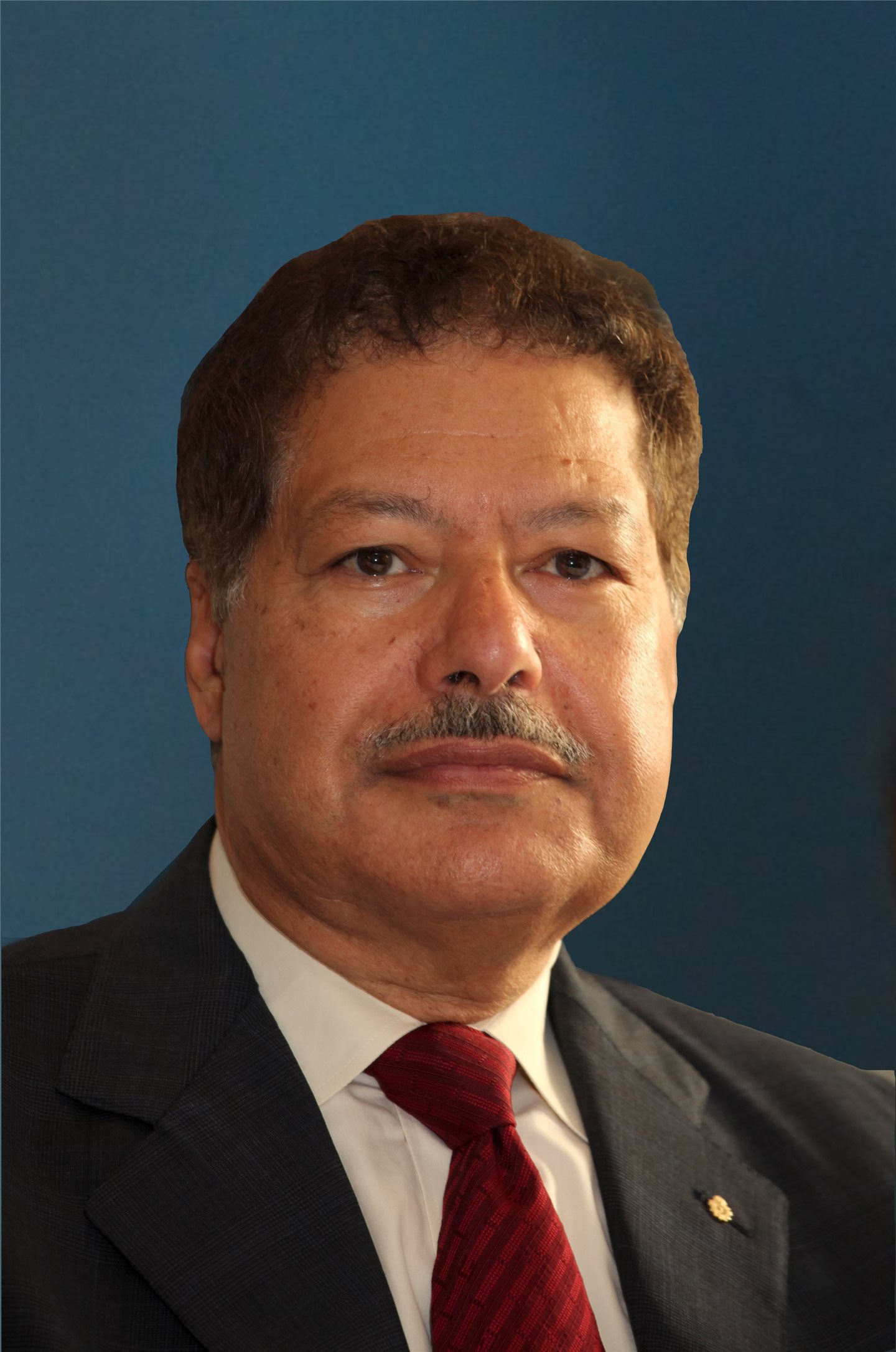
Ahmed Zewail: making chemical change observable
How a Caltech laboratory opened a window onto molecular motion, and why instruments and collaboration matter to the story.
The student networks and Indiana institution behind the emergence of ISNA.
One of the major institutional stories in Muslim American history begins with students. In January 1963, Muslim students meeting at the University of Illinois organized the Muslim Students Association of the United States and Canada. Their setting was a campus, but the relationships they created would eventually support organizations serving people well beyond university life.
A student association answered immediate needs: finding other Muslims, arranging meetings, and maintaining connections across campuses. It also created a network whose members could carry those relationships into professional and family life. The Encyclopedia of Indianapolis traces the connection between this student movement and the later Islamic Society of North America, known as ISNA.
The distinction between a student organization and a national community organization became more important as participants graduated. A person could leave a university without leaving the country or the friendships formed there. Professional associations offered another way to maintain those connections.
The organizations involved in ISNA's formation included the Muslim Students Association, the Islamic Medical Association, the Association of Muslim Social Scientists, and the Association of Muslim Scientists and Engineers. The institutional history published in Islamic Horizons records this institutional background. The combination linked student organizing with people working in medicine, research, engineering, and the social sciences.
That mix helps explain the ambition of the emerging organization. Its potential constituency was broader than a single congregation or nationality. It could provide a meeting point for people whose daily lives were spread across cities, campuses, and professions. Building such a network required publications, correspondence, conventions, fundraising, and a physical base.
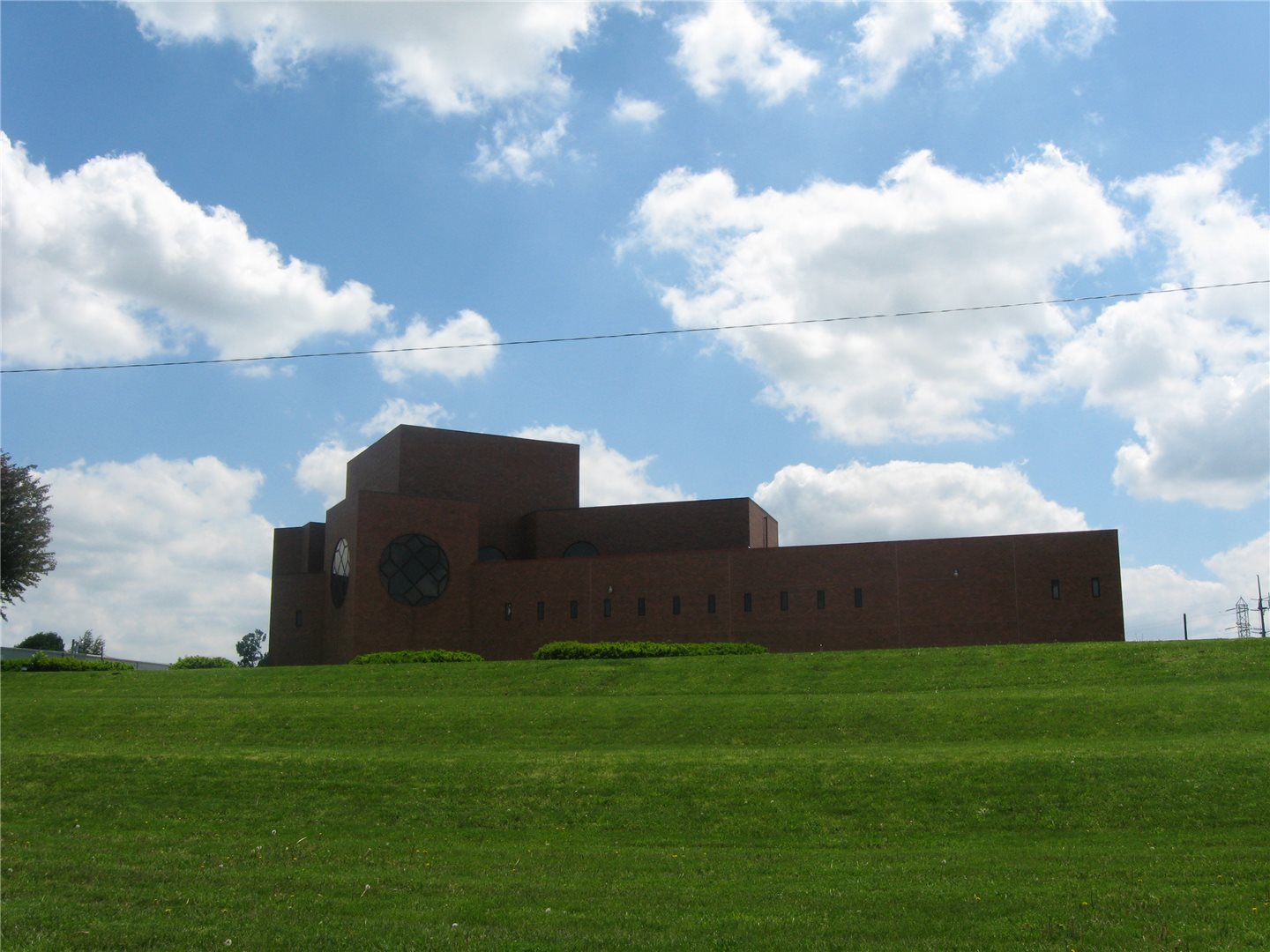
In 1976, the organization acquired land in Plainfield, Indiana. The Indianapolis encyclopedia describes a 123-acre property and plans announced in 1978 for a substantial Islamic center. The choice placed the headquarters in the Midwest, away from the coastal cities that often dominate accounts of immigrant religious life.
The development encountered local opposition. The encyclopedia records a petition with hundreds of signatures and vandalism invoking the Ku Klux Klan. These details belong within the building's history because the project was also a negotiation over who could occupy public space and establish a visible religious institution.
Construction began in 1980, and the center opened in January 1983. A headquarters changed the practical possibilities of the network. It provided an address, rooms, offices, and a recognizable destination. Institutions that had grown through campus contacts now had a place associated with their national work.
The land and buildings also embodied a long-term expectation. Students usually organize around short academic cycles. Acquiring a large property and completing a center expressed a commitment extending beyond one graduating class or one convention.
ISNA emerged in 1982 as the participating organizations sought a structure suited to this wider community. An institutional retrospective in Islamic Horizons describes the discussions and a joint convention in Bloomington, Indiana. As a publication associated with the institution, it offers an internal account rather than a detached assessment.
The transition should not be understood as every American mosque joining one central authority. Muslim institutions in the United States have different histories and forms of governance. ISNA became an important national organization within that varied landscape, not an administrative body directing all Muslim religious life.
Its history also overlaps with other developments without replacing them. Older immigrant congregations, African American communities, and local independent mosques continued their own work. The student-network story explains one influential route to national organization; it does not explain the whole country.
Indiana University's ISNA records preserve material from the organization's institutional life. Their value lies partly in the ordinary documents: correspondence, meeting records, and organizational files can show how broad ambitions were translated into decisions. A convention photograph records a gathering; minutes and letters help explain how it became possible.
This history connects naturally to the experience of Muslim professionals and entrepreneurs. The people building associations had to coordinate across distance, establish trust, manage resources, and maintain continuity as leadership changed. Those organizational skills were part of community formation, even when the public story focused on speeches or prominent names.
The movement from a student meeting in 1963 to a national headquarters two decades later illustrates how American Muslim institutions developed through relationships as well as immigration. A campus connection could become a professional association, a convention committee, or a lasting friendship. The buildings in Plainfield made that network visible, but the network came first.
The educational contribution was not limited to receiving degrees. Students created an organizational setting in which people arriving from different countries could cooperate, circulate information, and sustain relationships beyond graduation. Their campus experience became a foundation for institutions outside the university.
This story also helps distinguish several meanings of an educational institution. A student association does not award a degree, but it can organize seminars, publish material, and give members experience running a collective project. Those functions differ from the classroom work of a school or college while still forming part of an educational landscape.
The education collection places this student movement beside Zaytuna College, Clara Muhammad schools, and targeted scholarship support. Each story concerns a different way Muslim Americans built opportunities to learn and participate.
HistoryHow a Caltech laboratory opened a window onto molecular motion, and why instruments and collaboration matter to the story.
 History
A North Carolina research career reveals how basic science, teaching, and cultural exchange can reinforce one another.
A New Jersey congregation’s zoning dispute produced permission to build and changes to local religious-land-use procedures.