

 History
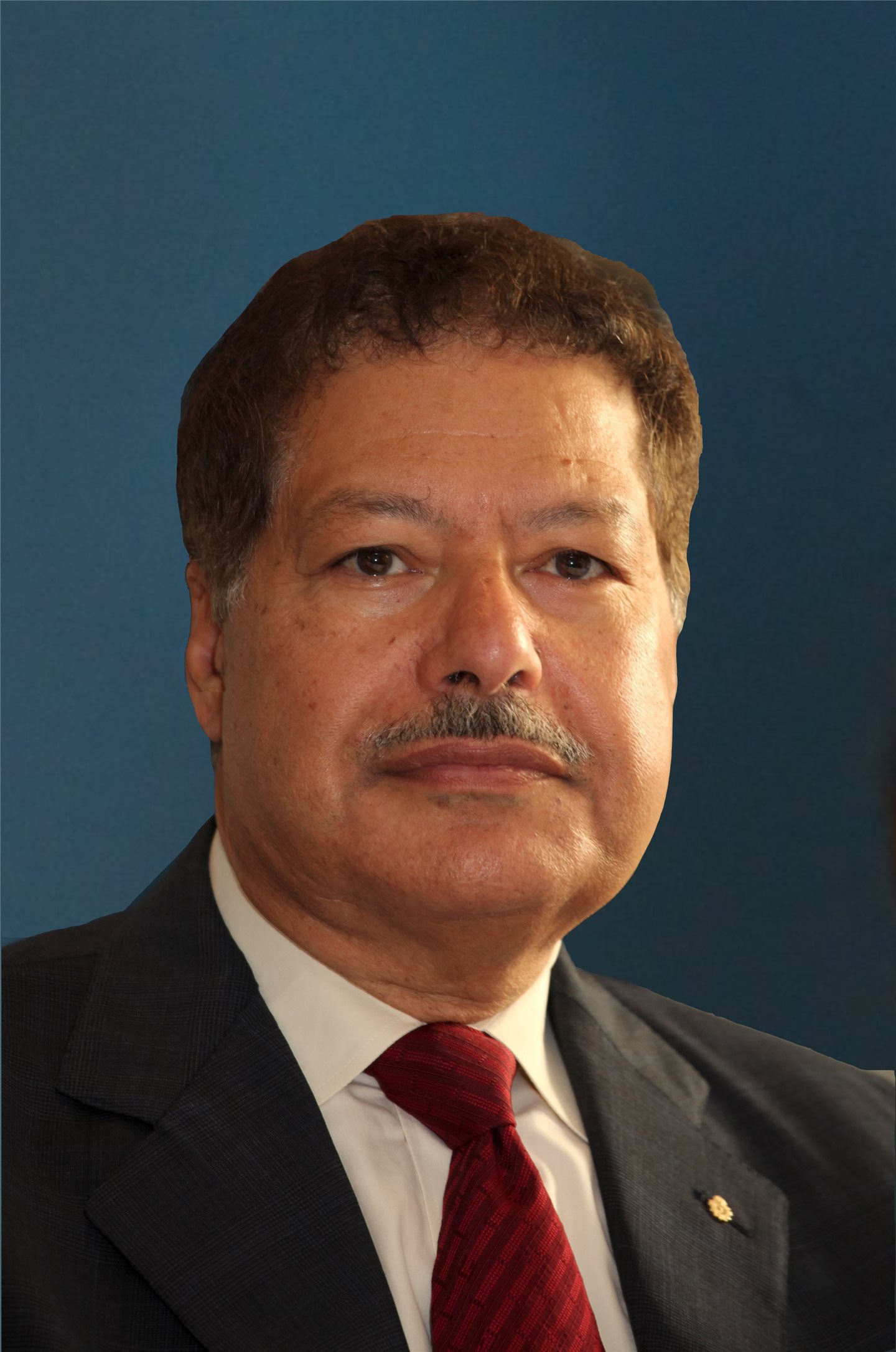
Ahmed Zewail: making chemical change observable
How a Caltech laboratory opened a window onto molecular motion, and why instruments and collaboration matter to the story.
Follow the surviving portrait, biography, and correspondence of Ayuba Suleiman Diallo across the Atlantic.
William Hoare painted Ayuba Suleiman Diallo in London in 1733. The portrait’s sitter had recently endured enslavement in Maryland, and he would eventually return to West Africa. The painting offers an arresting entry into a life that crossed several Atlantic societies and left evidence in biography, correspondence, and public memory.
Diallo was born into an educated Muslim family in the Senegambia region. English sources commonly call him Job ben Solomon, a name that remains useful when searching older catalogs. The National Portrait Gallery identifies him as a man whose education and determination, together with unusual circumstances and assistance from others, helped him regain freedom.
Diallo was taken into slavery in 1731 and transported to Maryland. The Lowcountry Digital History Initiative describes his efforts to maintain religious practices under captivity and his attempt to escape. After his recapture, contact with Thomas Bluett helped set in motion the chain of relationships that eventually brought him to England.
The same account notes an uncomfortable part of his earlier life: he had participated in the sale of enslaved people before his own capture. Including that detail helps readers understand the Atlantic slave trade as a system of power and commerce with complicated individual histories. His later suffering is fully real, and his earlier social position remains part of the record.
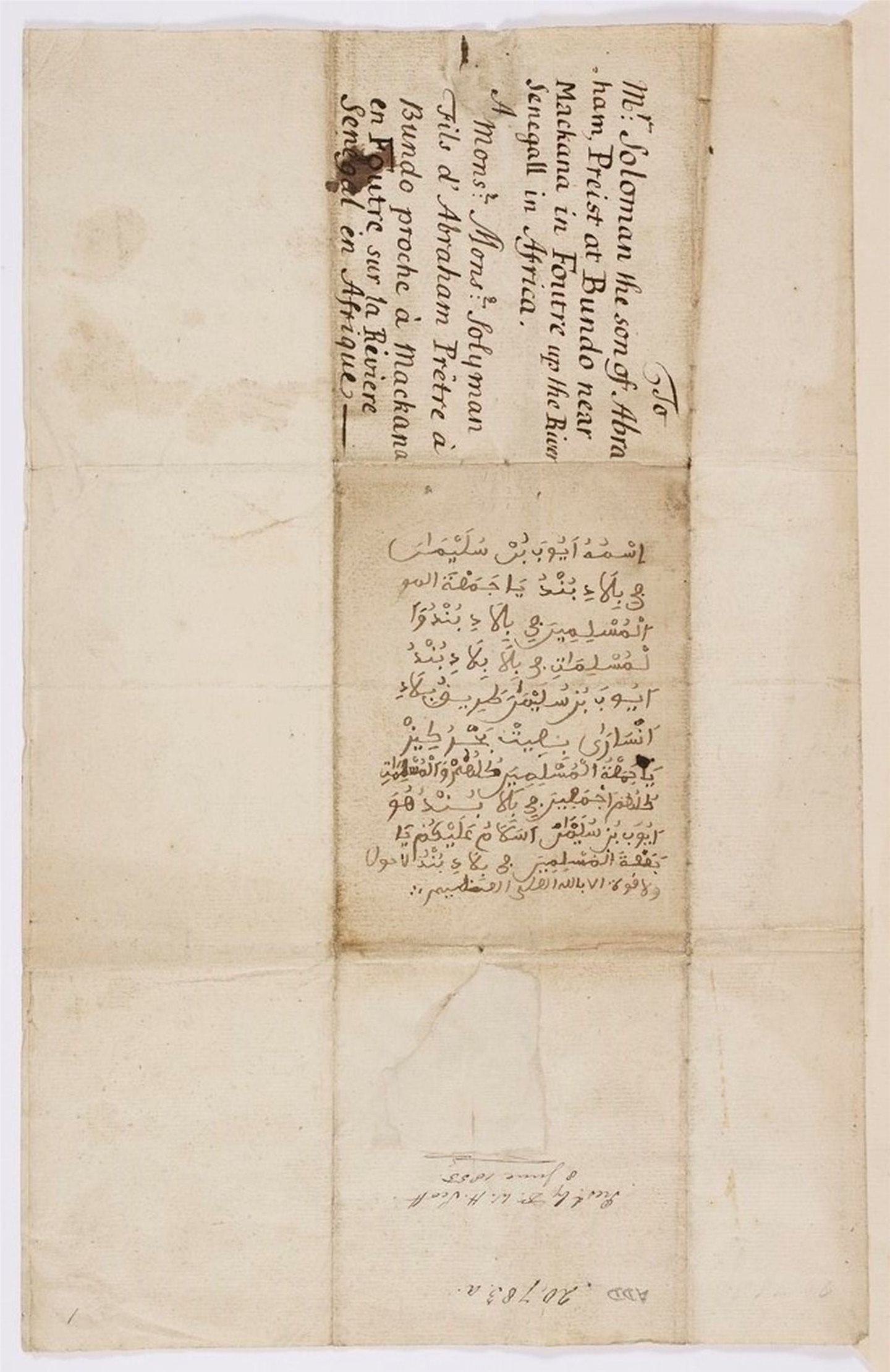
A letter written in Arabic became central to efforts to communicate his identity and circumstances. Literacy mattered both as a personal resource and as something influential British observers recognized. That recognition provided opportunities denied to most captives. His experience should therefore be read as an extraordinary case within a much larger system of enslavement.
The National Portrait Gallery lists Hoare’s oil painting alongside a later printed likeness. Comparing the two shows how a person’s image could circulate in different formats and reach different audiences. The museum’s item records also identify the artist, date, medium, and collection number, details that are essential when selecting an image for publication.
A portrait can invite close looking without supplying a transparent account of its sitter. Clothing, pose, and objects were chosen within a particular encounter between artist and subject. Read the museum interpretation alongside the image and distinguish visible features from conclusions about character or belief.
The date matters as well. This is a portrait made during his lifetime, in a specific London setting, rather than a modern imagined reconstruction. That gives it historical value while leaving questions about who commissioned it, how it was received, and whose purposes it served.
His return to Bondu brought painful news: his father had died, and his first wife had remarried. Recovery of freedom could not restore the years taken from the household. Diallo nevertheless maintained overseas correspondence after returning. The Royal Society's catalog preserves a 1735 letter sent from the Gambia region. Its survival extends the story beyond the British portrait and the moment of release, showing an African Muslim continuing to communicate across the Atlantic on his own side of the ocean.
Thomas Bluett published an account of Diallo’s life in 1734. The National Humanities Center’s source guide helps readers approach this material as an early narrative mediated by another author. Bluett’s position, vocabulary, and intended audience shape the story even when he describes events closely associated with Diallo.
Put the biography beside the surviving correspondence. The Royal Society catalogs a letter from Diallo written from the Gambia region after his return. A reader can use that record to follow his ongoing connections across the Atlantic instead of ending the story at the moment of freedom.
That broader view also complicates the familiar arc of rescue. Returning home did not erase years of separation or restore every relationship to its earlier state. Institutions preserving the story emphasize that very few people subjected to the transatlantic slave trade were able to make such a return.
Begin with the National Portrait Gallery’s sitter page, then open the individual artwork record. Continue to the Lowcountry exhibition for the narrative of captivity and movement, and use its links to find the historical biography. Finally, consult the Royal Society’s correspondence catalog.
Search both Ayuba Suleiman Diallo and Job ben Solomon, and expect additional variations in spelling. Save collection identifiers with your notes so a later researcher can recover the same item even if a web address changes.
The resulting story connects Maryland to West African scholarship, British portraiture, and the commerce of the eighteenth-century Atlantic. It also gives Muslim American history a useful scale. A brief period in colonial America can be understood within a whole life whose relationships and intellectual world extended far beyond its borders.
HistoryHow a Caltech laboratory opened a window onto molecular motion, and why instruments and collaboration matter to the story.
 History
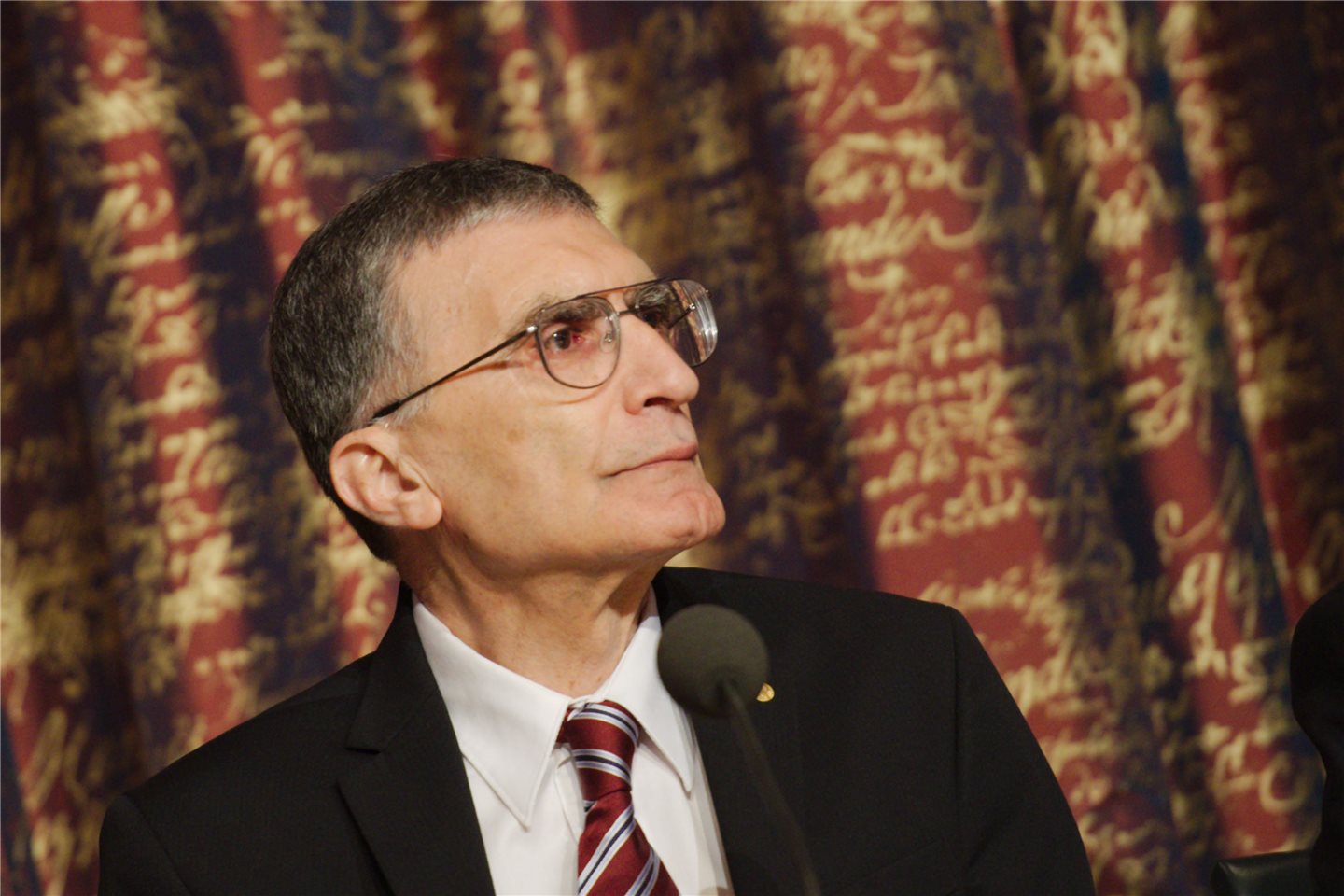
A North Carolina research career reveals how basic science, teaching, and cultural exchange can reinforce one another.
A New Jersey congregation’s zoning dispute produced permission to build and changes to local religious-land-use procedures.