 History
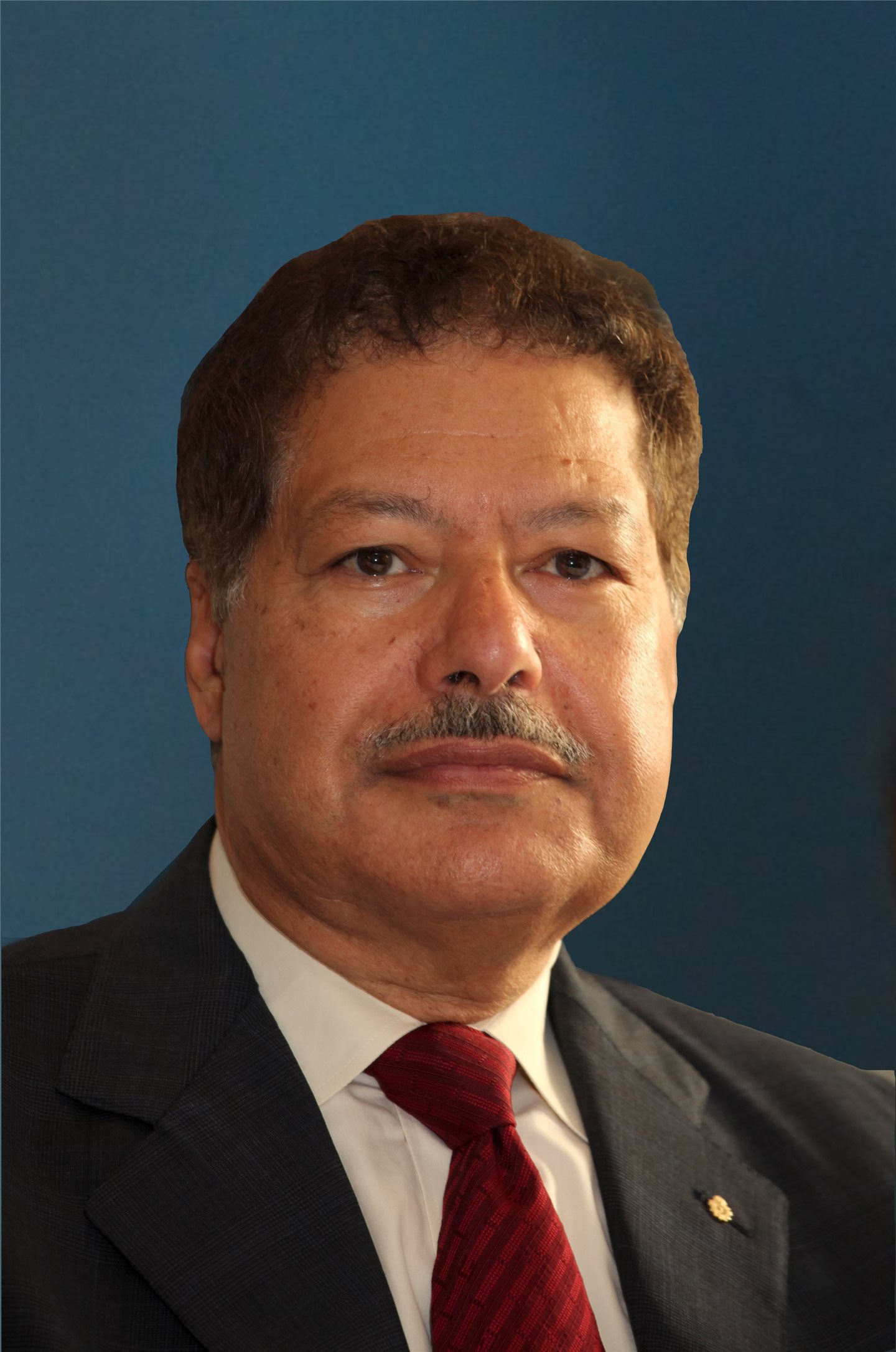
Ahmed Zewail: making chemical change observable
How a Caltech laboratory opened a window onto molecular motion, and why instruments and collaboration matter to the story.
Five stories connect laboratories, skyscrapers, space exploration, and computing through the work of Muslim American scientists and engineers.
HistoryHow a Caltech laboratory opened a window onto molecular motion, and why instruments and collaboration matter to the story.
 History
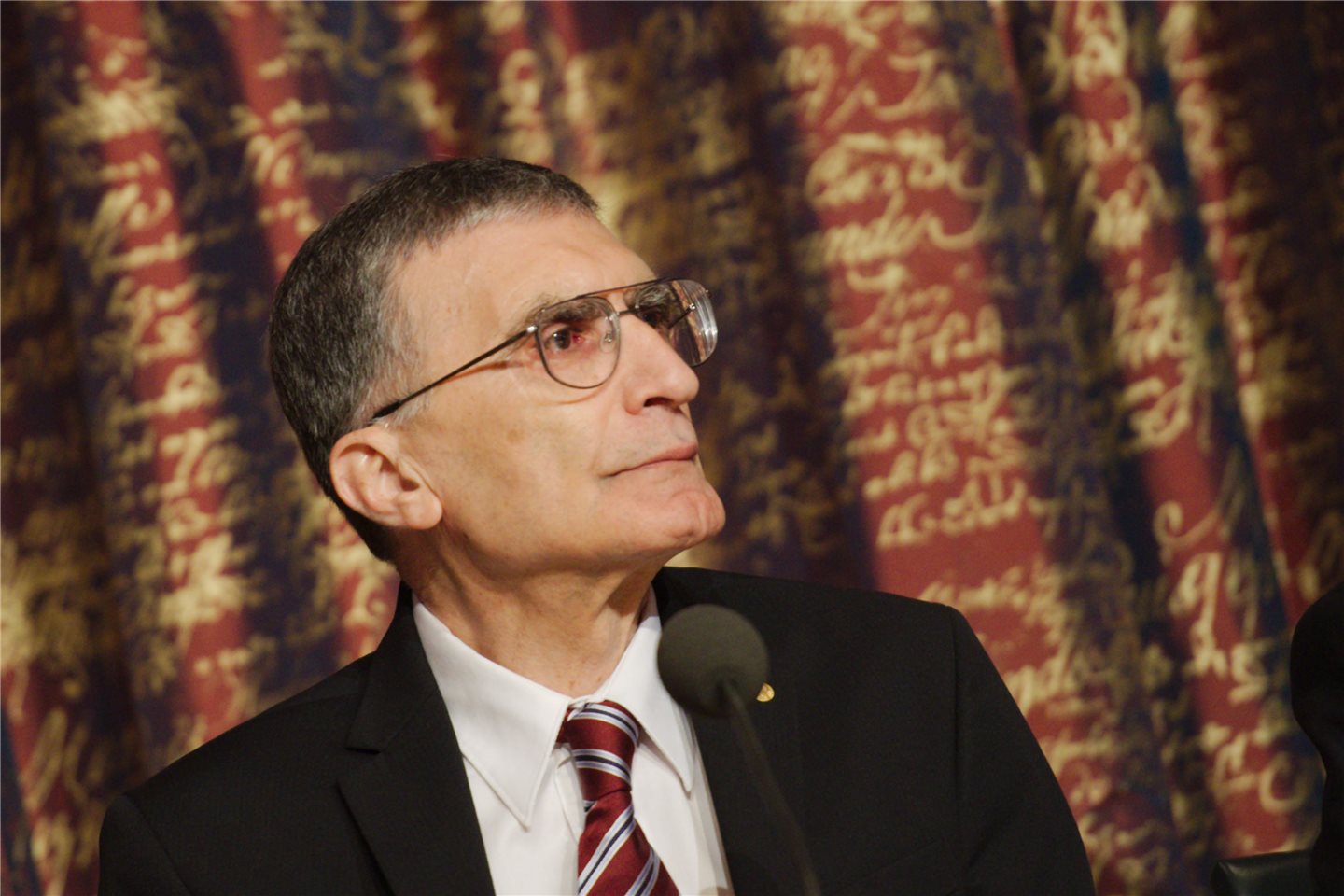
A North Carolina research career reveals how basic science, teaching, and cultural exchange can reinforce one another.
 History
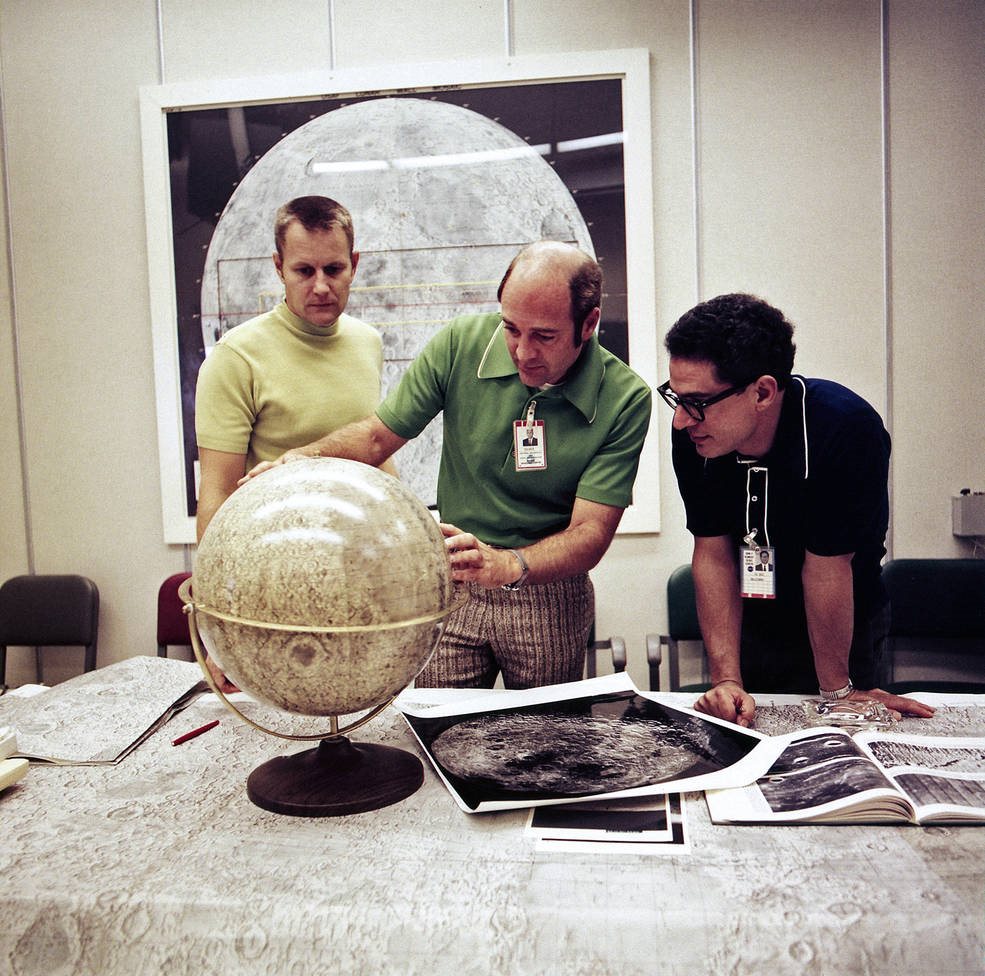
NASA training photographs reveal a geologist’s contribution to Apollo and a later career applying space observations on Earth.
 History
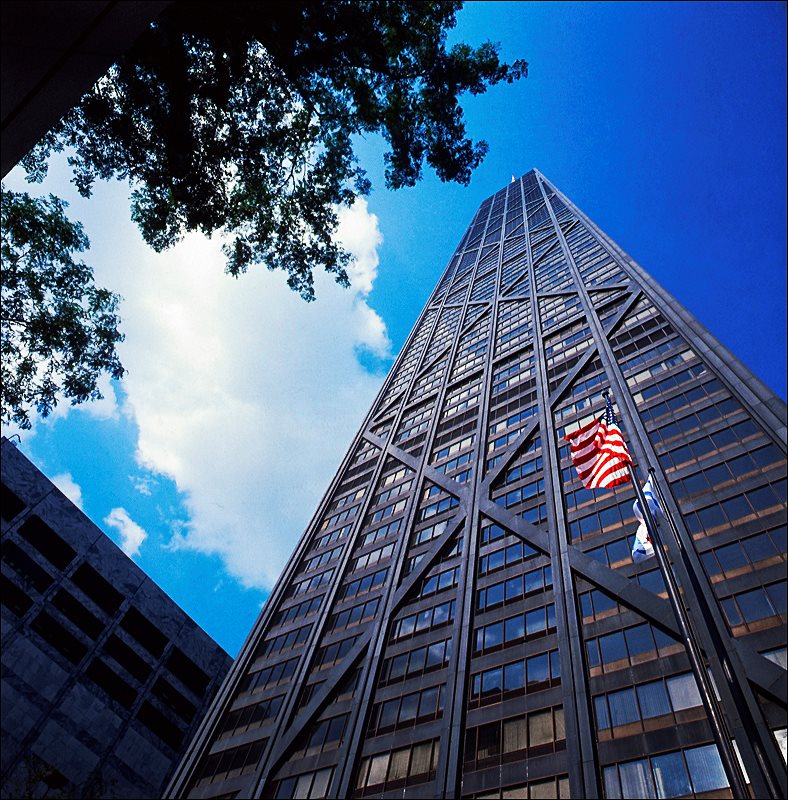
Read Chicago’s towers through their structural systems, with credit to Khan, Bruce Graham, and the teams who built them.
 History
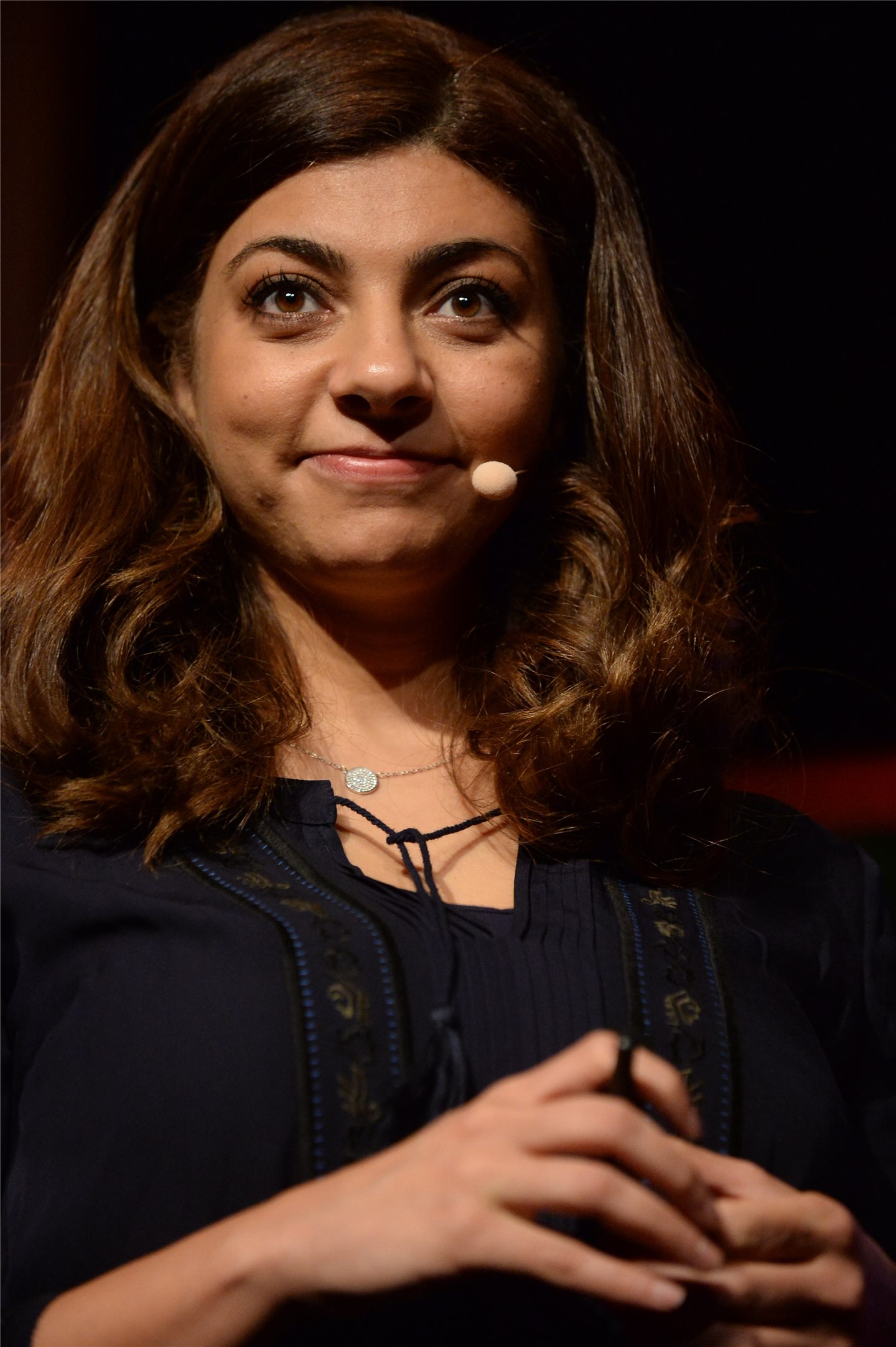
A Massachusetts research and business story about facial analysis, context, consent, and the limits of technological claims.
A tower's outline, a photograph of astronaut training, and a measurement from a chemistry laboratory may seem to belong to unrelated histories. Each can also reveal a Muslim American contribution to the way the country builds, investigates, and understands its world. This collection follows five particular careers through the work they made possible.
The subjects are deliberately different. Ahmed Zewail investigated chemical motion. Fazlur Rahman Khan helped devise structural systems for tall buildings. Aziz Sancar studied DNA repair. Farouk El-Baz taught astronauts and applied remote sensing. Rana el Kaliouby helped bring affective-computing research into a company. Their achievements cannot be reduced to one religious explanation or a single measure of success.
They can, however, be understood through a shared editorial question: what changed because of this person's work, and where can a reader see evidence of that change?
Ahmed Zewail's story begins with timing. A chemical reaction may proceed through stages too brief for ordinary observation. His Caltech research helped make such stages experimentally accessible through ultrafast methods, work recognized by the 1999 Chemistry Nobel.
The article explains why observing change is different from comparing an initial substance with a final product. It also follows the role of instruments and collaborators, then considers his later work in time-resolved electron microscopy.
Pasadena is the American setting, but his education also passed through Alexandria, Pennsylvania, and Berkeley. That route is part of the achievement's history. The laboratory did not begin with a scientist whose previous life could be discarded on arrival.
This is a useful entry point for readers interested in how basic science develops. The central object is not the medal but the measurement: a new way to ask a question of nature.
Fazlur Rahman Khan's story can be approached from a Chicago sidewalk. The diagonal braces on the former John Hancock Center and the stepped form of Willis Tower provide visible clues to structural thinking.
The profile distinguishes braced-tube and bundled-tube systems and explains the relationship between engineering, architectural form, and a client's space requirements. It credits Bruce Graham and the wider SOM setting alongside Khan.
This is not a claim that one man invented skyscrapers. It is a more precise account of how particular structural systems expanded possibilities for tall buildings. The detail is more interesting than an inflated superlative: a perimeter frame or a bundle of modules can change how an enormous building behaves.
For architecture readers, the article offers a connection between appearance and function. For engineering readers, it introduces the civic visibility of work that often remains behind walls.
Aziz Sancar's story shifts the scale from buildings to DNA. His research at American institutions, including UNC-Chapel Hill, helped explain nucleotide excision repair. The 2015 Chemistry Nobel recognized DNA-repair research by Sancar, Tomas Lindahl, and Paul Modrich.
The profile keeps the shared award visible and distinguishes a molecular mechanism from a medical treatment. Understanding how cells respond to damage can inform further research without amounting to a universal cure.
It also follows teaching and cultural work around the laboratory. A university career consists of more than publications: students, visiting scholars, and community institutions can become part of its wider setting.
This article pairs well with the healthcare collection, which considers clinical inventions and organizations. Together they distinguish basic investigation, clinical practice, and access to services rather than treating all three as the same contribution.
Farouk El-Baz's story centers on NASA photographs of instruction. One shows a geology lesson during Apollo 16 preflight isolation. Another shows orbital-geology training for Apollo 17.
These images redirect attention from the famous surface walk to preparation. Astronauts needed to recognize and describe what they encountered, whether on the ground or from orbit. Geologists helped make those observations scientifically useful.
The profile also follows El-Baz to Boston University's Center for Remote Sensing. His university work applied space-based observation to questions concerning the Earth, bringing geology into contact with archaeology and other fields.
For readers who know Apollo mainly through rockets and astronauts, this is a different entrance into the program. A teacher and interpreter of landscapes becomes visible within a national achievement usually represented by its most dramatic final scenes.
Rana el Kaliouby's story connects the MIT Media Lab with Affectiva, the company she co-founded with Rosalind Picard. The subject is facial analysis and affective computing: attempts to interpret human signals through computational systems.
The article includes a research paper she co-authored about the difficulty of assigning emotional meanings without context. That makes the story more useful than a simple celebration of software that supposedly knows what people feel.
It also considers consent and the difference between a research demonstration and a commercial product. Scientific contribution can include developing a method while acknowledging the boundaries of what its outputs establish.
This is the most direct connection to the site's entrepreneurship coverage. Building a company around research involves users, funding, product decisions, and responsibility for how a tool may be used.
The five profiles move through universities, a design firm, a space program, and a technology company. They describe several ways expertise becomes public: an experiment other researchers can pursue, a structure people occupy, an observation collected during a mission, or a product introduced into a market.
They also show that national contribution and international formation can coexist. American institutions provided workplaces and opportunities; people brought earlier education, relationships, and questions with them. Neither part needs to be erased to recognize the other.
The collection uses documented public identity or reliable reporting rather than assuming religion from names or origins. It does not require these individuals to share one account of faith, and it does not imply that scientific results belong exclusively to any community.
Start with the object that interests you most—a tower, a molecule, a lunar image, or a face on a screen—and follow the corresponding story. Each profile is intended to make one contribution understandable in enough detail that its significance survives after the famous name is forgotten.
HistoryHow a Caltech laboratory opened a window onto molecular motion, and why instruments and collaboration matter to the story.
HistoryRead Chicago’s towers through their structural systems, with credit to Khan, Bruce Graham, and the teams who built them.
HistoryA North Carolina research career reveals how basic science, teaching, and cultural exchange can reinforce one another.