

Khalil Center and the institutions of Muslim mental health
Professional care, research, and education show how Muslim mental-health work has developed beyond a single conversation about stigma.
Find Imam Muhammad Kolila’s interview in History Colorado’s collection and use the catalog to explore a local institution.
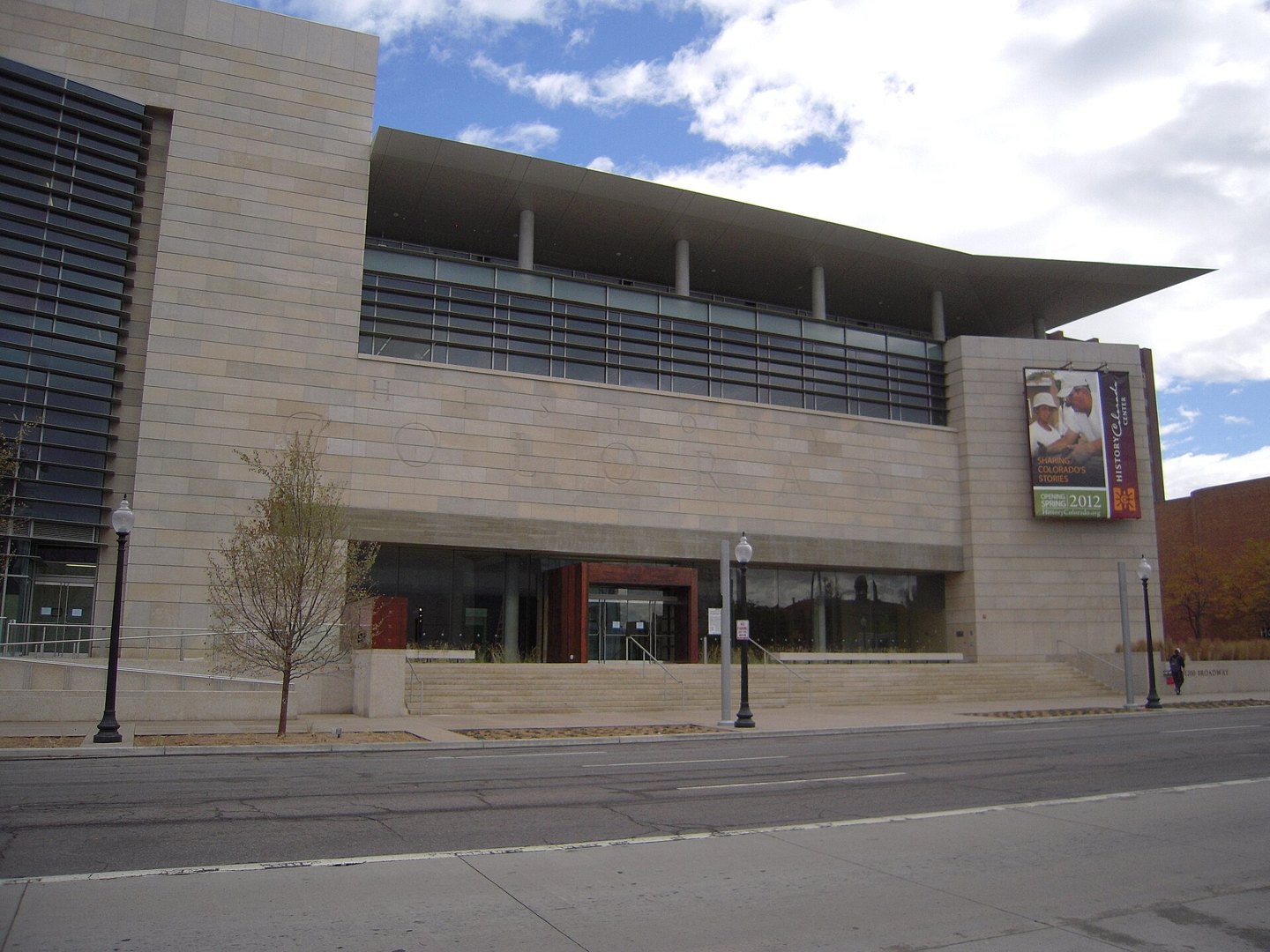
History Colorado's collection includes an oral history of Imam Muhammad Kolila about the Downtown Denver Islamic Center. It offers a specific starting point for anyone interested in Muslim life in Denver: a named speaker, a recorded interview and an identifiable museum record. You do not need to begin with a sweeping claim about the whole state.
The catalog identifies the object as 2026.129.1 and names Indira Saha as the interviewer. Its provenance states that the interview was recorded in May 2026; a separate date field reads June 10, 2026. Keeping those fields distinct avoids silently turning a catalog date into an interview date.
The recording runs 56 minutes and 23 seconds. The record provides an audio link and lists a transcript attachment. Save the object number with your notes so you can return to the same interview even if a search engine changes its results.
The catalog summary identifies the Downtown Denver Islamic Center's history, education and social support as subjects of the conversation. It describes a community institution whose activities reach beyond scheduled worship. These are the museum's descriptions of the recording, not a substitute for listening to the speaker's own words.
This guide is based on the catalog record; it does not claim a complete review of the audio or transcript. In particular, references in the summary to nineteenth-century Muslim life should be treated as a research lead. Establishing those earlier events would require the records behind the recollection.
Listen first for places, dates and the names of organizations. Then note the difference between an event the speaker personally experienced and a history he learned from someone else. Both can matter, but they invite different follow-up questions.
Keep a timestamp beside an important passage, summarize it in your own words and return to the recording before quoting it. A transcript can help locate a passage; hearing it provides tone and surrounding context.
Our Colorado collection also covers Muslim Family Services of Colorado. That organization and the Denver center are distinct institutions. Reading about family support alongside an oral history creates two ways to explore the state: practical services and the preservation of community memory. Neither source needs to stand for every Muslim experience in Colorado.
Professional care, research, and education show how Muslim mental-health work has developed beyond a single conversation about stigma.