


 Cities
Visiting Atlanta’s Muslim community institutions
Arrange an Al-Farooq visit, explore East Atlanta’s community history, and build a practical local itinerary.
Explore Idris Mosque’s building history and find community connections across Seattle and the Eastside.
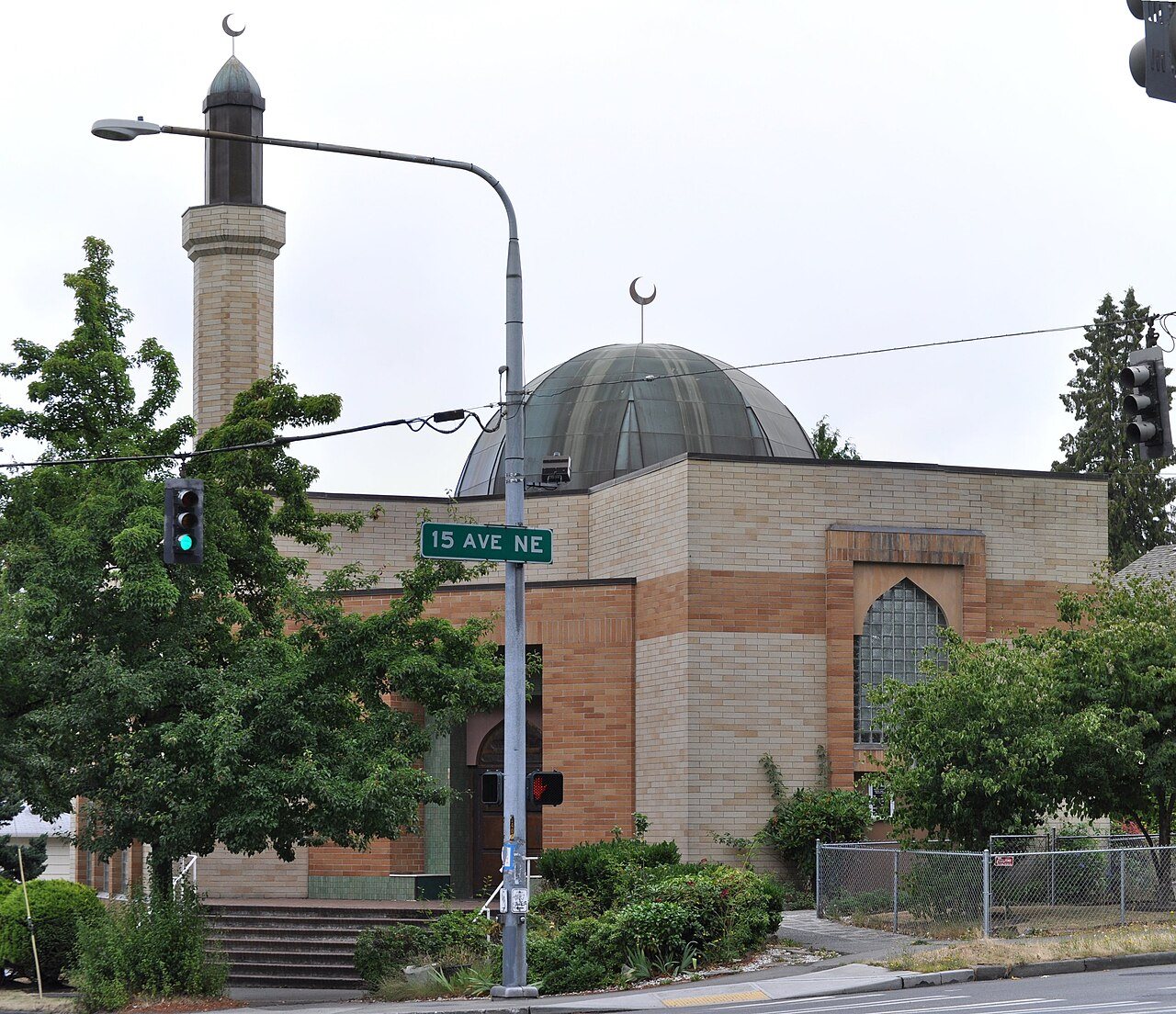
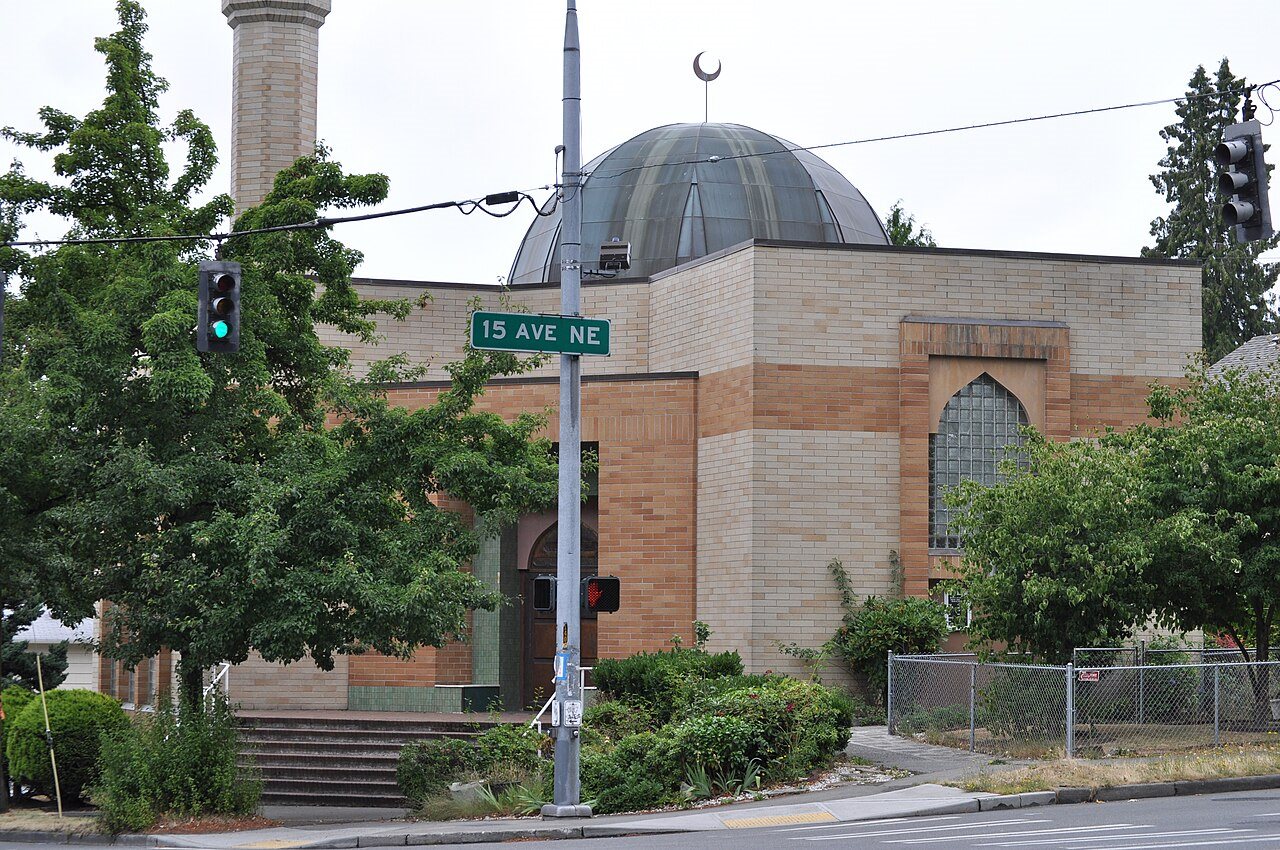
In Seattle’s Northgate neighborhood, Idris Mosque gives a visitor a specific building through which to explore Muslim community history. Its copper dome, brickwork, and minaret can be read alongside a documented account of how the mosque was built. Other institutions across Seattle and the Eastside broaden the map, but Northgate offers a strong starting point for an architectural and community visit.
Idris Mosque’s own history dates its opening to 1981 and identifies architect Dennis Alkire of Mithun Associates. It describes an octagonal copper dome, brick prayer hall, minaret, and glass-block windows beneath shaped lintels. The account also names the family members involved in overseeing construction. Mosque history.
These details make an exterior visit more than a quick photograph. Look at how the dome sits on the building, how the brick colors define its surfaces, and how light enters through the windows. Ask a host which parts of the building have changed since opening and which retain their original arrangement.
The mosque’s current address is listed as 1420 NE Northgate Way. Historical accounts may use an earlier street description, so use the institution’s current visitor page for navigation.
HistoryLink’s account, written by Priscilla Long, identifies Jamil Abdul Razzak Hajoo as a key participant and describes community opposition during the building process. It also records a gathering for neighbors after the mosque was completed. The story connects construction, public misunderstanding, and efforts to establish local relationships. HistoryLink essay.
Read the essay’s sources as well as its narrative. They show how a local history can be assembled from reporting and architectural commentary. If you write about the building, distinguish the historian’s account from your own visual observations.
The building’s scale is another useful subject for a visit. Consider how its materials and forms make it recognizable as a public institution within the neighborhood. A small building can have a strong street presence without relying on a large footprint.
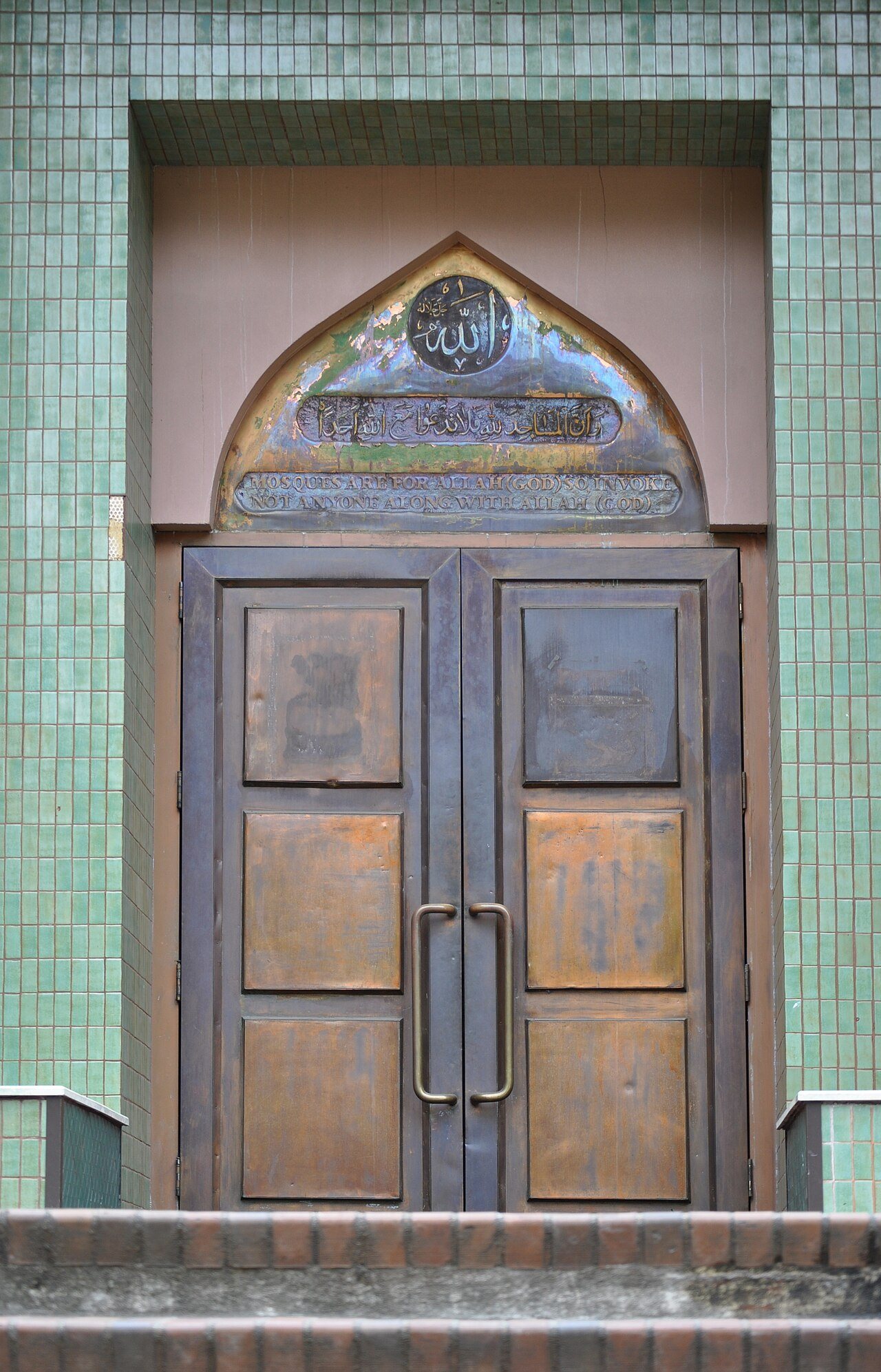
Idris Mosque publishes unusually specific guidance about entrances, parking, transit, and step-free access. It identifies separate prayer-area entrances and explains arrangements for visiting groups. Use those instructions to plan the arrival rather than assuming that the most visible door serves every purpose. Visitor information.
For a hosted group visit, the mosque describes a building tour, a short introduction, and time for questions. Send the interests of the group in advance. Architecture students, schoolchildren, and neighbors seeking a first introduction will benefit from different explanations.
The visitor page also notes parking pressure during large gatherings. A smaller group or a scheduled tour at another time may make it easier to examine the building and speak with a host.
The mosque’s programs and services page includes education, outreach, and family support. That information helps connect a visible landmark with the routine work of a community institution. Programs and services.
For a new resident, ask which activity offers a regular point of contact. For a short-term visitor, look for a public event or arranged tour. Assistance and pastoral services have their own processes and should be approached directly with the provider.
The Muslim Association of Puget Sound appears in Redmond’s official visitor directory. A 2022 South Seattle Emerald report also documents the opening of a downtown Seattle location. These sources show why it matters to distinguish a regional organization from a particular branch. Use current official information to verify the location you intend to visit. MAPS in Redmond and Seattle opening report.
Keep Northgate, downtown, and Redmond as separate geographic choices. One confirmed community visit can anchor a day; a longer stay can explore another area. Save the correct address, a host contact, and one historical source so the trip remains easy to navigate and useful to remember.
For an architecture-focused visit, compare the mosque's materials with the surrounding neighborhood rather than looking only for a dome. Brick, glass and the approach from the street help locate the building within Seattle's everyday built environment.
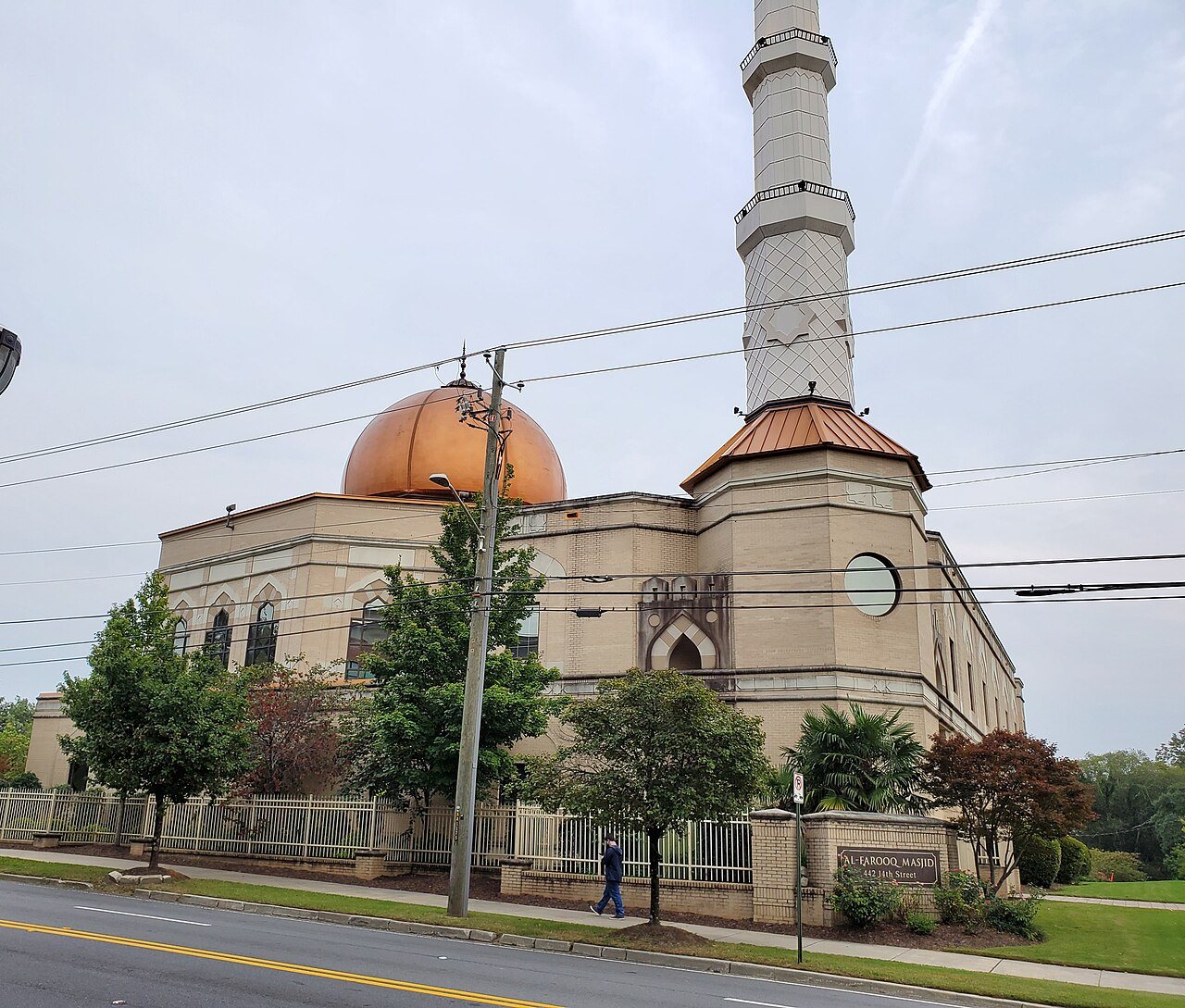
CitiesArrange an Al-Farooq visit, explore East Atlanta’s community history, and build a practical local itinerary.
 Cities
Explore the ISBCC’s architecture, Greater Boston’s community histories, and Islamic art at the MFA.
 Cities
Use the Loop’s Downtown Islamic Center and a regional mosque directory to plan a realistic Chicago visit.