

 Cities
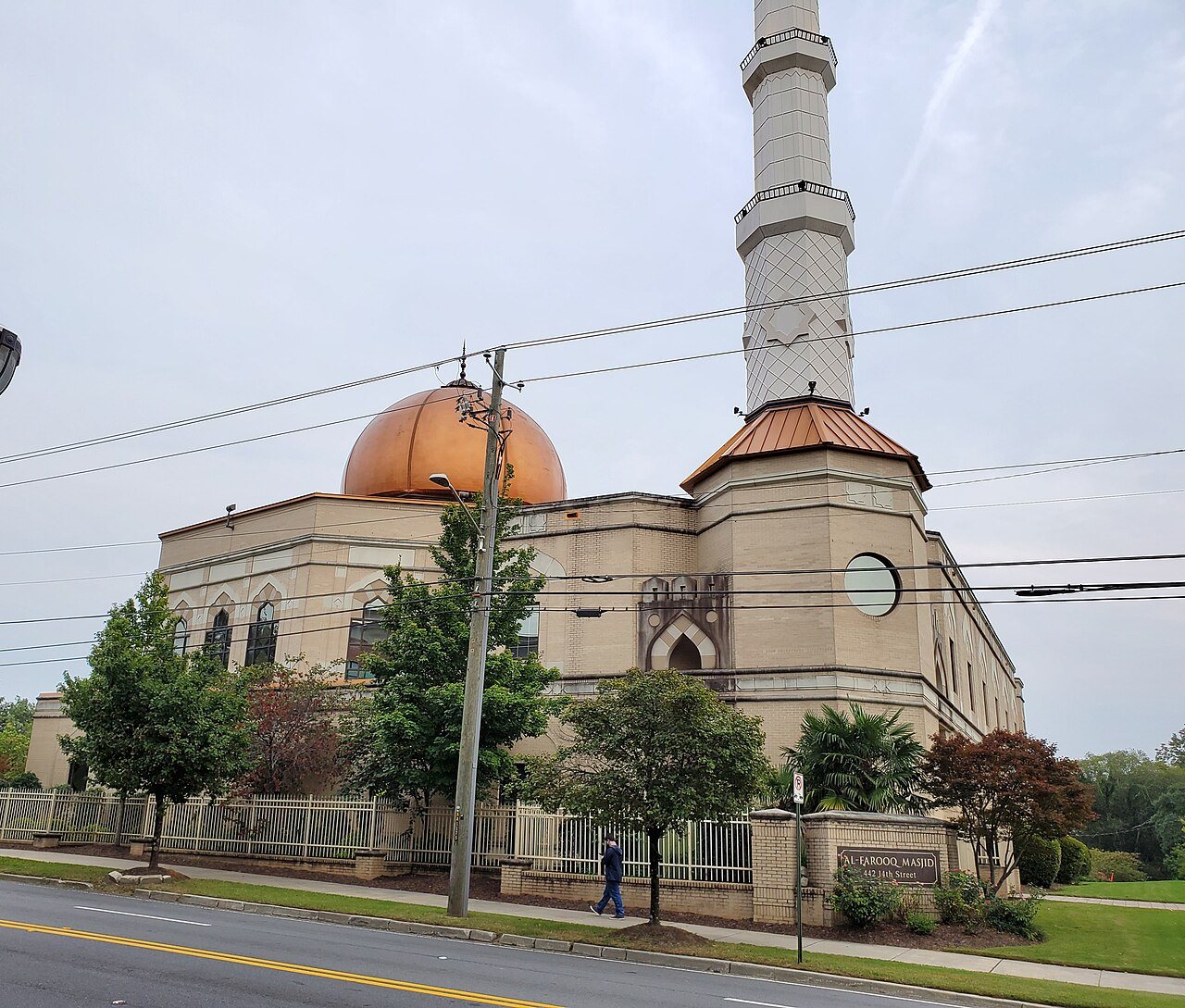
Visiting Atlanta’s Muslim community institutions
Arrange an Al-Farooq visit, explore East Atlanta’s community history, and build a practical local itinerary.
Explore the ISBCC’s architecture, Greater Boston’s community histories, and Islamic art at the MFA.
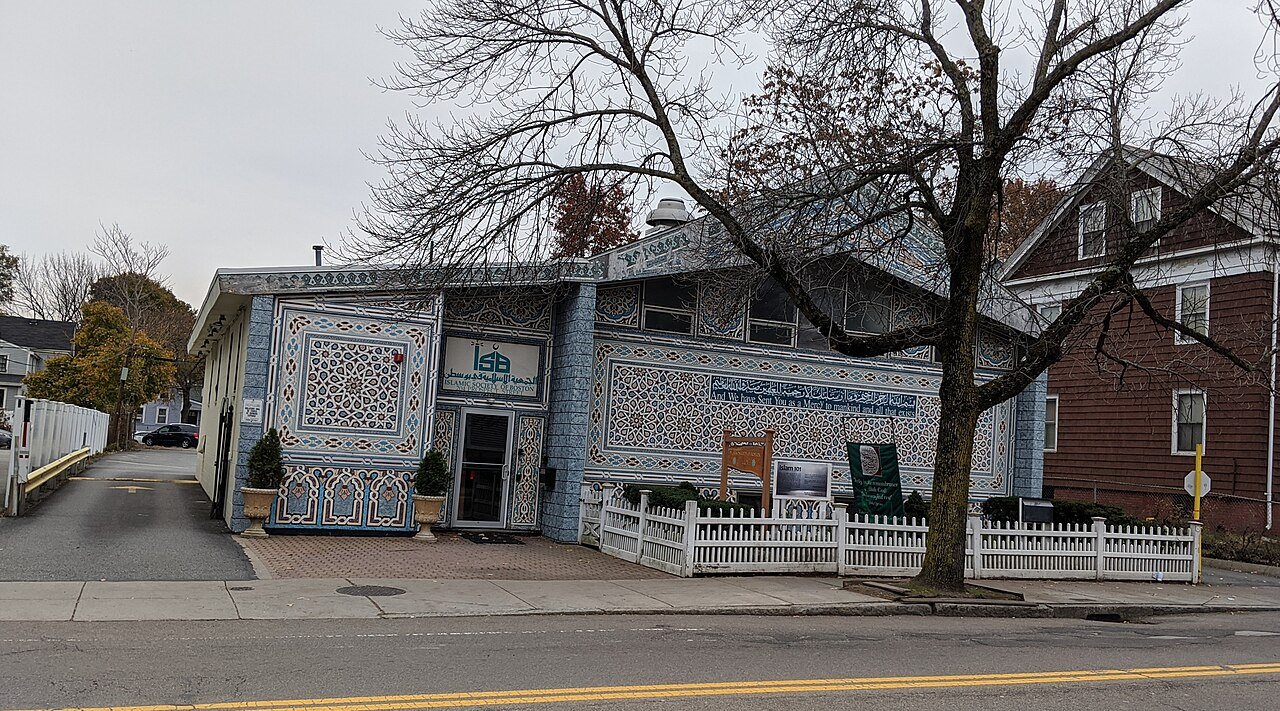
Boston offers a way to connect a contemporary mosque, a regional community history, and a museum gallery shaped with local Muslim participation. The Islamic Society of Boston Cultural Center in Roxbury is a strong architectural starting point. Cambridge and the surrounding communities add other institutional histories, while the Museum of Fine Arts provides an opportunity to examine objects and hear contemporary voices alongside them.
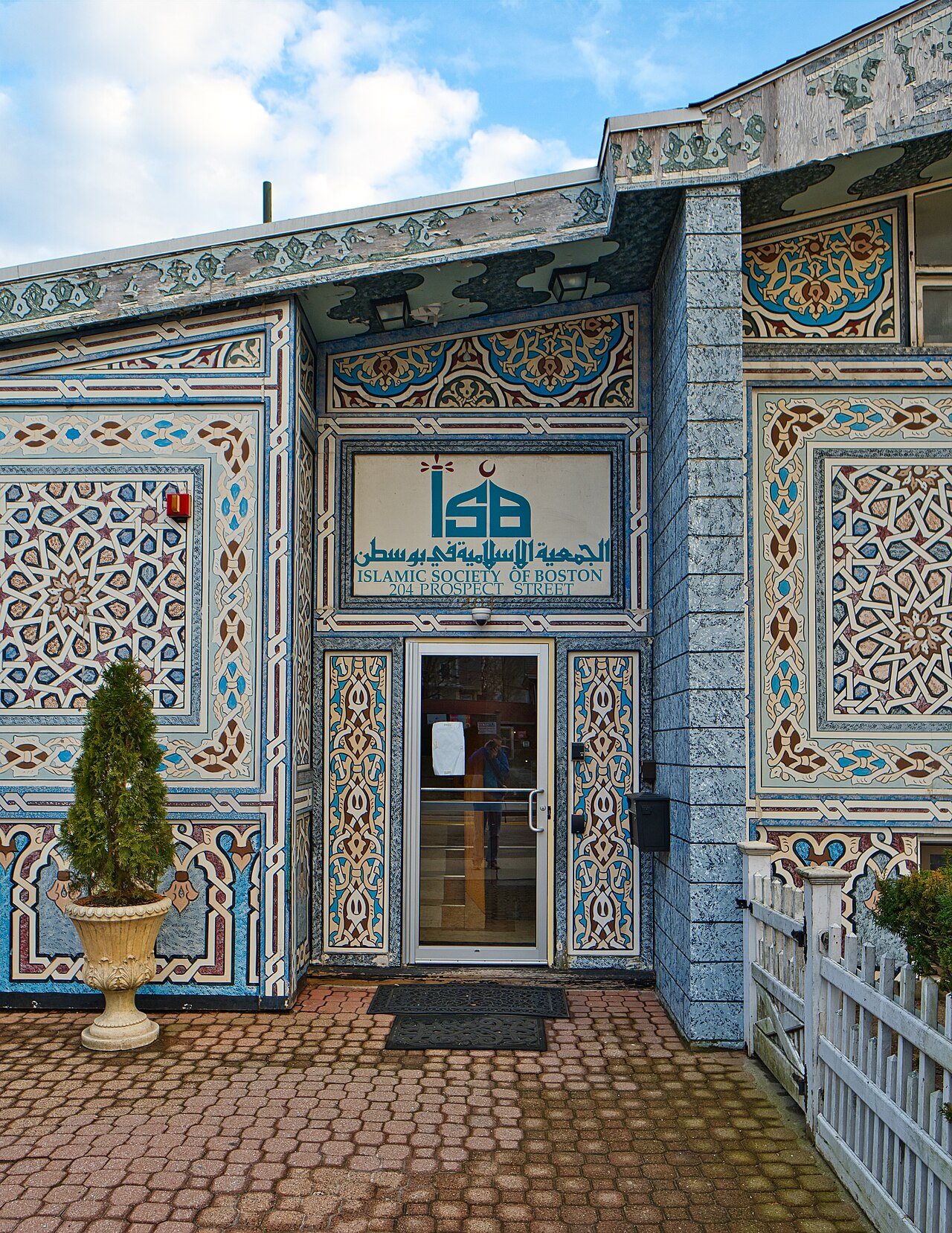
The Islamic Society of Boston identifies two mosques: its Prospect Street location in Cambridge and the cultural center at 100 Malcolm X Boulevard in Roxbury. Use the full name and address when arranging a visit because the two locations serve different settings. ISB locations and background.
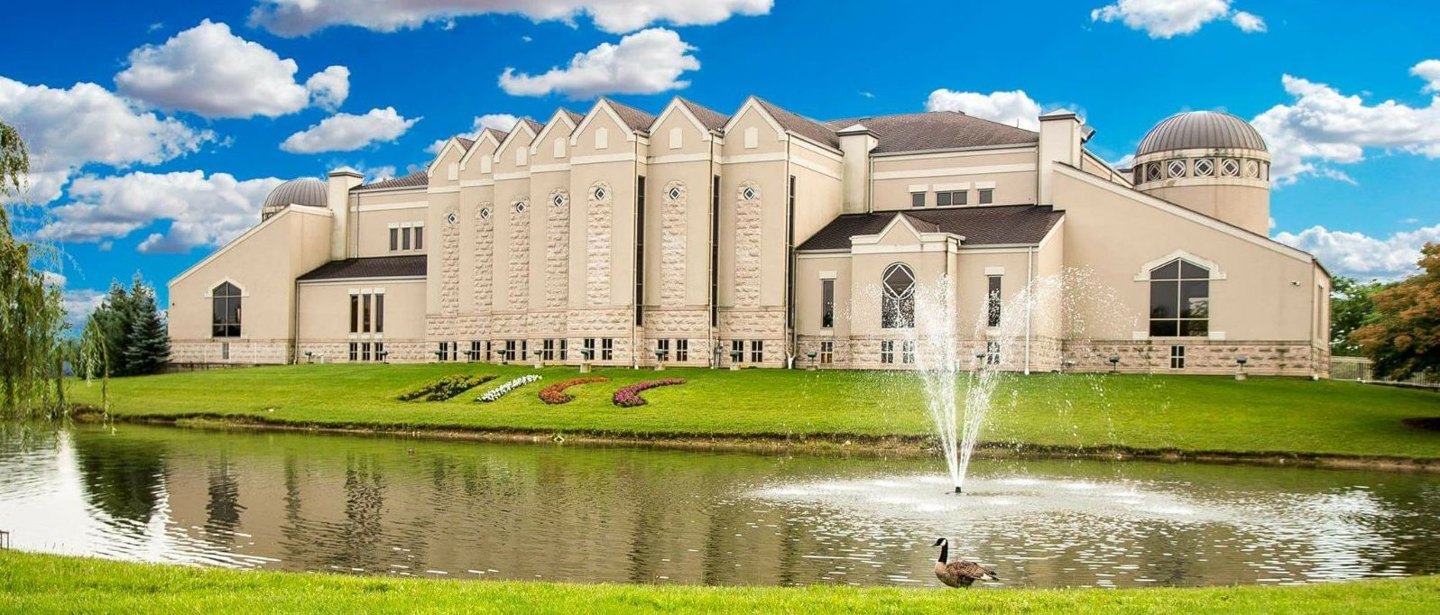
The cultural center’s architectural account describes red brick in relation to its New England surroundings, alongside a dome, minaret, and pointed arches. That combination gives a visitor something precise to observe: how a building uses recognizable Islamic forms while responding to the materials and scale of its neighborhood. ISBCC architecture.
Look at the approach and the relationship between the building and the street. Then, with a host, ask how gathering spaces, education, and other activities fit into the institution. Architecture becomes easier to understand when it is connected to the people using it throughout a week.
Harvard’s Pluralism Project traces different strands of Muslim life in Greater Boston. Its account includes early families in Quincy, the Arab American Banner Society formed in 1934, and a mosque completed in 1964. It also discusses African American Muslim history in Dorchester and the importance of student organizations. Islam in Boston.
Those stories suggest different routes for further research. A visitor interested in migration can begin with Quincy; someone interested in Black religious history can pursue Dorchester’s institutions; a student can investigate university organizations. A single metropolitan label should leave room for each community’s chronology.
Use the essay for historical orientation and current institutional pages for access. A research account may preserve an older name or describe an organization at a particular moment. Keep the date of the source with any notes you plan to share.
The Museum of Fine Arts describes its Arts of Islamic Cultures Gallery as the result of an eight-year process involving Muslim, artistic, and scholarly communities. The thematic presentation includes calligraphy and traditions associated with different regions. It also follows individual objects, including a door assembled from medieval Egyptian woodwork for an American world’s fair. MFA gallery information.
The gallery description identifies a video interview with artist Wasma’a Chorbachi about her calligraphic ceramic work. It also notes recordings made with local imams. These features connect objects to voices and living interpretation rather than leaving the visitor with dates and materials alone.
Choose one object and stay with it long enough to read its label and associated interpretation. Consider what the artist, curator, or recorded speaker adds that the object cannot tell you by itself. Check the current gallery and visitor information before planning around a specific display.
Harvard Library’s guide points readers toward regional collections and online research resources for Islamic art and architecture. It notes the breadth of material at Harvard Art Museums and the MFA, while recognizing that gallery space limits what can be displayed at once. Museum and collection research guide.
That distinction makes an online collection useful after the visit. Search for the artist, material, or place that caught your attention. Save object numbers as well as titles, especially for works with similar descriptions. A museum visit can then become the beginning of a focused reading project.
Give the Roxbury community visit and the museum separate blocks of time. If you also want to see Cambridge, check the journey and resist adding it merely because it shares an institutional name. A longer stay can devote another day to that part of the region.
Bring a small set of questions and record the answers with their sources. Boston’s combination of built space, scholarship, and museum interpretation gives you several ways to investigate the same subject from different angles.
CitiesArrange an Al-Farooq visit, explore East Atlanta’s community history, and build a practical local itinerary.
 Cities
Use the Loop’s Downtown Islamic Center and a regional mosque directory to plan a realistic Chicago visit.
 Cities
Find the right Columbus-area campus and explore education, food distribution, and local community connections.