

 Cities
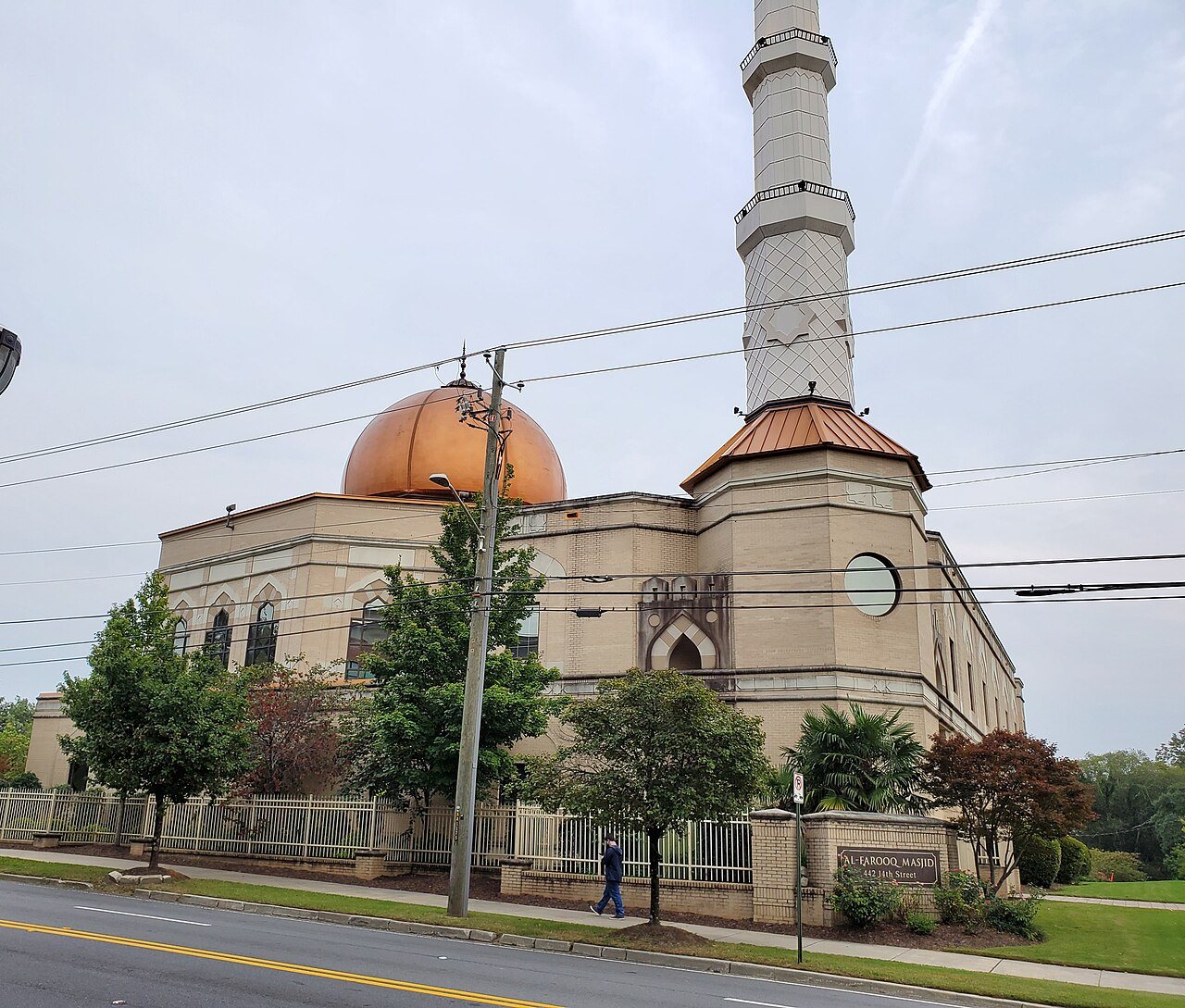
Visiting Atlanta’s Muslim community institutions
Arrange an Al-Farooq visit, explore East Atlanta’s community history, and build a practical local itinerary.
Explore hosted Raleigh mosque visits, Durham’s Muslim archives, a documented 2022 exhibition and university connections.
The Triangle’s Muslim community can be explored through several kinds of places: a Raleigh mosque and school campus, Durham congregations, a library collection, and university resources. Put Raleigh and Durham on separate parts of the itinerary rather than treating the regional name as a single neighborhood. The institutions below offer distinct entry points for visitors, students, and new residents.
The Islamic Association of Raleigh describes itself as a mosque, school, and gathering place for the Triangle community. Its website provides a tour route and organizes programs by audiences such as youth, families, women, and elders. A visitor can use that structure to identify an activity suited to the purpose of the trip. Visiting IAR.
For a school or family group, request a host and explain what participants want to learn. A visit about community life can focus on classrooms, shared facilities, and the ways the campus is used between large gatherings. A program calendar provides evidence of that weekly rhythm.
The website also identifies a second campus, so confirm the exact location attached to a program. Put the campus name in the itinerary alongside the address. This is especially useful when different members of a group are arriving separately.
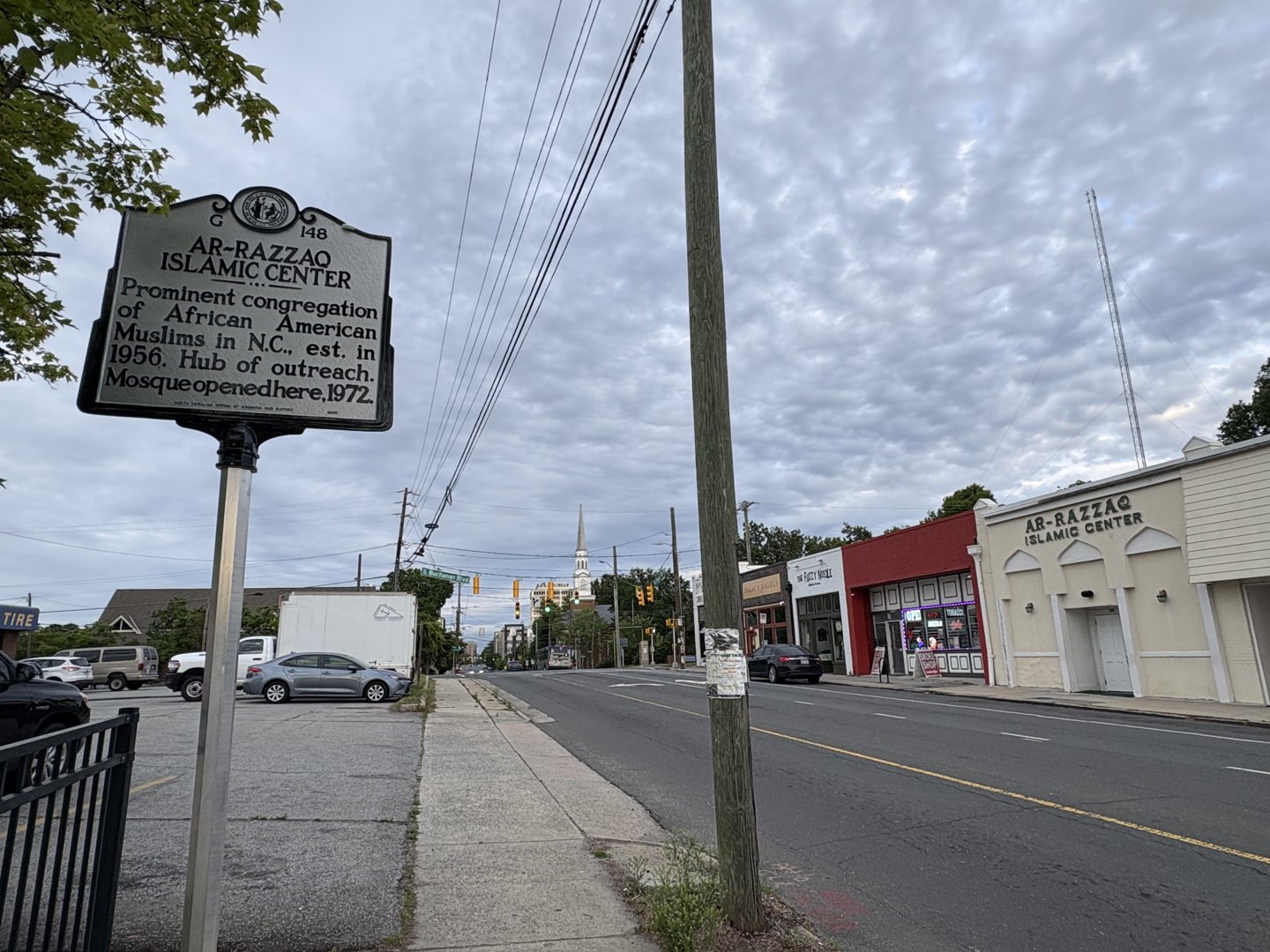
Ar-Razzaq Islamic Center’s history needs two dates: North Carolina’s historical marker account places the congregation’s establishment in 1956 and the opening of its current West Chapel Hill Street location in 1972. Durham County Library’s guide instead gives 1971 for the street location. We follow the state marker account for the building date while retaining that disagreement; the sources do not explain it. State historical marker G-148.
The library explicitly notes that its holdings on Muslim life are limited compared with its church materials. That admission is important evidence about the archive itself. Durham religious institutions guide.
A visitor interested in local history can use the guide to identify materials and ask a librarian about access. Sparse holdings should lead to careful questions, not the assumption that little community history exists. Family photographs, congregational records, and oral histories may be held elsewhere.
The library guide supplies two specific starting points: the Mosques subject file in Drawer 16 of the North Carolina Collection and Nazeeh Z. Abdul-Hakeem’s 2015 book, The Athaan in the Bull City: Building Durham’s Islamic Community. The catalog record describes a founder’s recollections of Jamaat Ibad Ar-Rahman. Read it as a participant’s account, then compare particular dates with other records.
A 2022 Duke exhibition offers a more tangible route into that history. Curated by Mona Hassan in cooperation with Ar-Razzaq Islamic Center, it included a Muslim Girls Training uniform made by Sister Wadeeyah Beyah in the early 1970s, school report cards, sewing kits and 4-H ribbons. Those objects connect religious community life to education, skills and young people’s activities.
Duke’s report also identifies a child’s drawing by Bashan Abdullah from her time at a Sister Clara Muhammad school. These are named makers and surviving objects, rather than a general claim about community achievement. The exhibition ended December 12, 2022; the university’s illustrated account remains a reading resource, not a current visitor listing.
Jamaat Ibad Ar-Rahman publishes a locations page identifying its Durham facilities, including a Parkwood location on Revere Road. That page provides a practical way to distinguish sites before attending an activity. JIAR locations.
For a newcomer, ask which facility hosts the program that matters to your household. The nearest building and the relevant activity may be different. Schools, family programs, and public gatherings can each have separate arrangements.
A hosted visit can also reveal how the institution serves different parts of Durham. Ask about the relationship between locations and how people receive announcements. This gives a clearer picture than treating every address as an interchangeable branch.
Duke’s Muslim life resources list local institutions and other practical information for its community. Such a page is useful to students and visiting families because it places religious and community resources within the context of campus life. Check the linked provider for current details. Duke Muslim life resources.
Build a Triangle visit around one Raleigh activity and one Durham research or community stop, with travel time between them. For a wider historical route, continue to Muslim life in North Carolina and our guide to researching Muslim American archives.
CitiesArrange an Al-Farooq visit, explore East Atlanta’s community history, and build a practical local itinerary.
 Cities
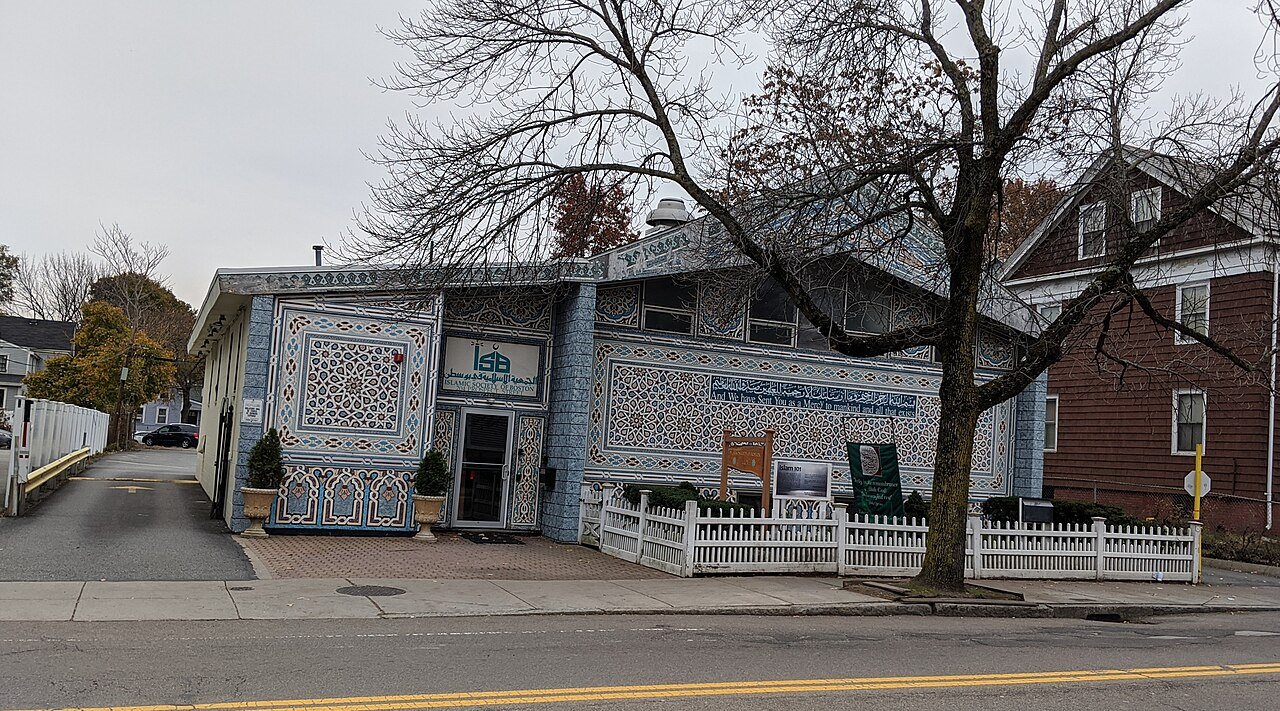
Explore the ISBCC’s architecture, Greater Boston’s community histories, and Islamic art at the MFA.
 Cities
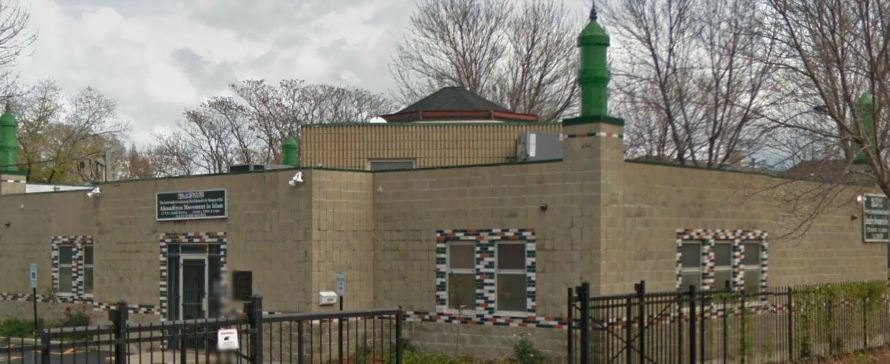
Use the Loop’s Downtown Islamic Center and a regional mosque directory to plan a realistic Chicago visit.