 Cities
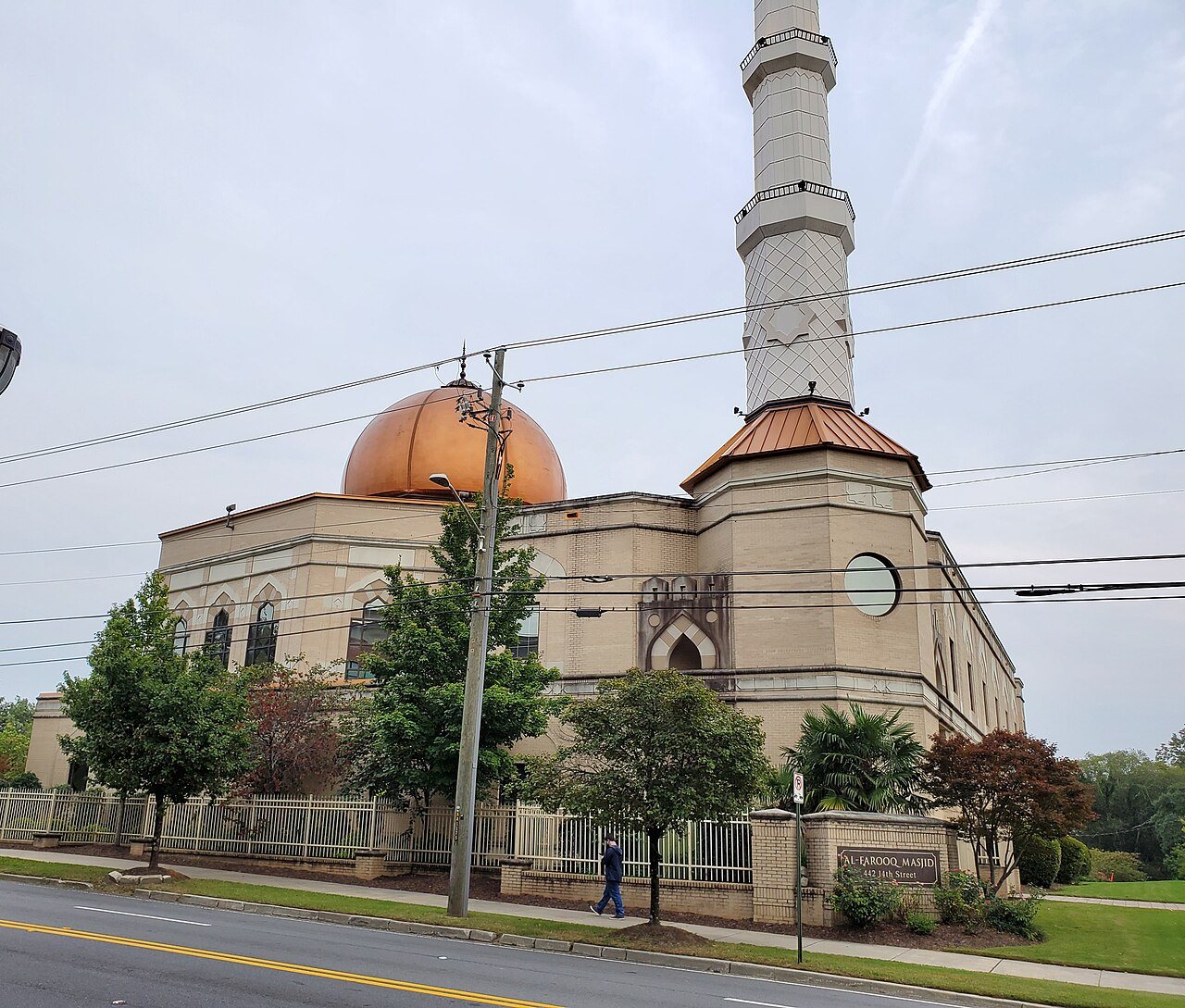
Visiting Atlanta’s Muslim community institutions
Arrange an Al-Farooq visit, explore East Atlanta’s community history, and build a practical local itinerary.
Trace Nashville’s Muslim institutions from Vanderbilt gatherings to Bellevue and South Nashville.
Nashville’s Muslim story has several centers of gravity. A university gathering helped establish a congregation. A mosque grew beside a residential intersection. Kurdish community institutions developed in South Nashville, while a school and mosque took shape farther west. A useful visit follows those different settings rather than treating the city as a single cultural district.
The starting points here are the Islamic Center of Nashville, its Bellevue campus and Salahadeen Center. Each publishes its own account of its work. Read them together: the result is a history of people building institutions over decades, with education and neighborhood life alongside prayer.
The Islamic Center of Nashville’s history begins in the mid-1970s, when a small group met at Vanderbilt University’s Afro House, now the Black Cultural Center. By 1979, attendance had grown sufficiently for members to purchase a house at Twelfth Avenue and Sweetbriar. Local fundraising and a contribution from Yusuf Islam supported that purchase.
A purpose-built mosque replaced the house in 1989. The center’s account also describes Kurdish and Somali arrivals during the following decade. These dates give Nashville’s Muslim presence a useful local chronology: it predates the city’s recent tourism boom and developed through overlapping student, family and newcomer networks.
Standing outside a building cannot explain all of that history. An organized visit provides a better opening for questions about the people who sustained it, the changing neighborhood and the relationship between its different campuses. Ask about personal memories as well as architecture; a building’s completion date is only one part of an institution’s life.
ICN’s account continues westward. Land on Charlotte Pike was purchased in 1995, the same year its full-time school was established. A school phase opened in December 2008, and the Bellevue mosque was completed in 2019. The current campus is on Charlotte Pike. These milestones are documented in the center’s institutional history.
For a family considering a move, that educational story may be more relevant than a visitor’s photograph. Explore the school’s own admissions information separately from the mosque calendar. A community center, an educational institution and a public event may share a campus while having different contacts and access arrangements.
For a day visitor, Bellevue also creates an itinerary choice. Combining it with South Nashville means crossing the city; choosing one campus and one nearby activity leaves more room for an actual conversation. This guide treats the two areas as distinct destinations, not consecutive stops in a rushed architectural tour.
Salahadeen Center dates its establishment to 1998 and describes its mission in religious, cultural, educational and social terms. Its address is on Elysian Fields Court in South Nashville. Its significance lies in that combination of functions: a place for community continuity as well as worship.
The center’s services and announcements are useful entry points for understanding current activities. Read the date and audience of a program before building a visit around it. Youth instruction, a community gathering and a visitor appointment serve different purposes, even when all take place in the same building.
Kurdish identity and Muslim identity should not be treated as interchangeable categories. Read an institution’s own account of its work and let participants describe their affiliations. Salahadeen’s stated cultural and educational mission is a starting point for asking how language and community traditions pass between generations.
ICN publishes a visitor program with options including observing Friday prayer, a small-group Coffee with the Imam conversation and an introductory presentation. The page addresses school, university and faith-community visitors. These formats give newcomers a concrete way to learn without assuming that an ordinary service includes a guided tour.
Choose the format that fits your interest. An architecture group might ask about the two campuses. A school group could focus on community history. Someone newly arrived in Nashville may want to understand which activities welcome families and how volunteer work is organized. Naming the question helps the host prepare a useful visit.
For a first outing, select one institutional visit and leave time afterward for the surrounding neighborhood.
For the broader regional story, our Tennessee guide follows refugee assistance and the Islamic Center of Murfreesboro. Murfreesboro is a separate destination; it should not be mistaken for one of ICN’s Nashville campuses.
CitiesArrange an Al-Farooq visit, explore East Atlanta’s community history, and build a practical local itinerary.
 Cities
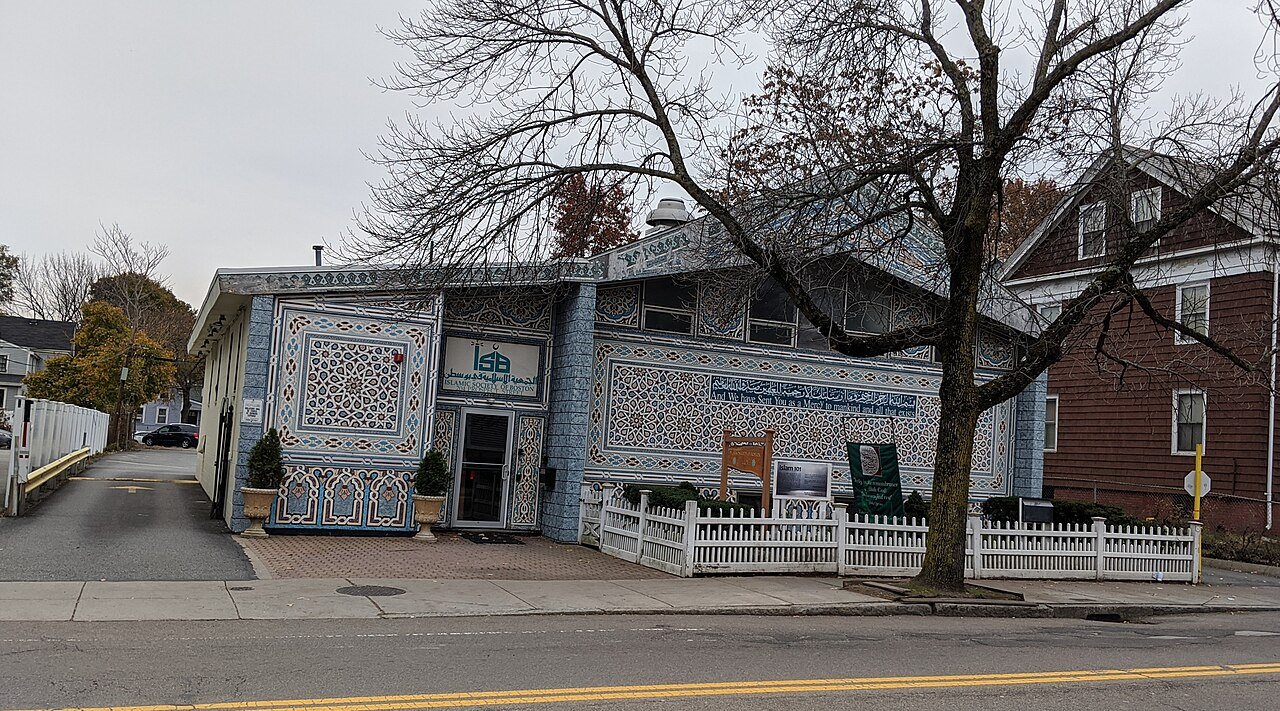
Explore the ISBCC’s architecture, Greater Boston’s community histories, and Islamic art at the MFA.
 Cities
Use the Loop’s Downtown Islamic Center and a regional mosque directory to plan a realistic Chicago visit.