

 Cities
Visiting Atlanta’s Muslim community institutions
Arrange an Al-Farooq visit, explore East Atlanta’s community history, and build a practical local itinerary.
Visit the Somali Museum’s current home and explore Cedar-Riverside’s Dar Al-Hijrah community history.
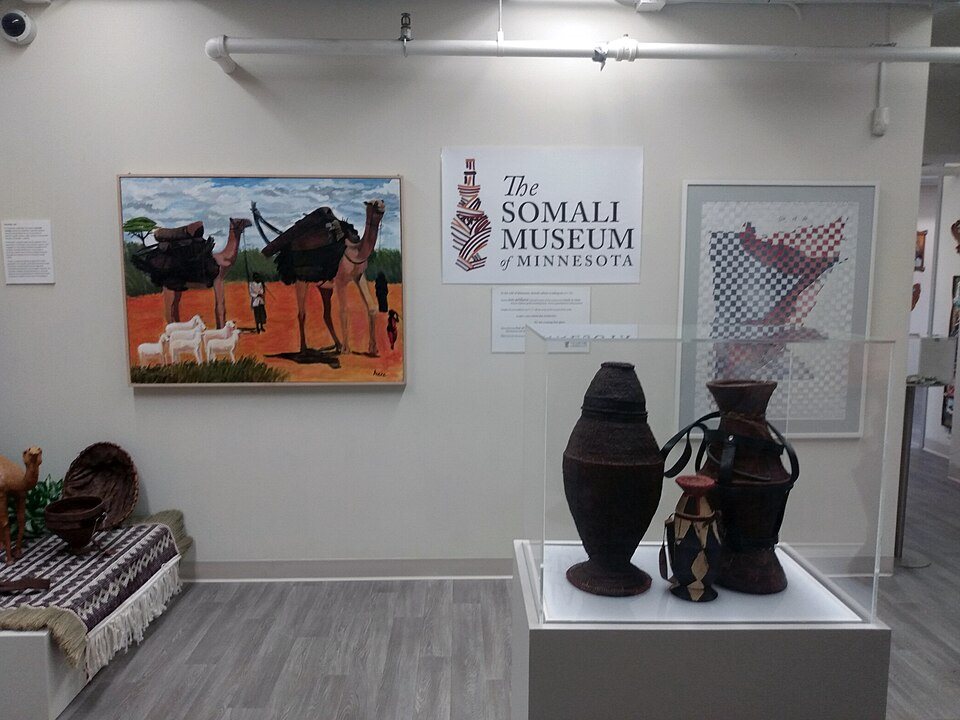
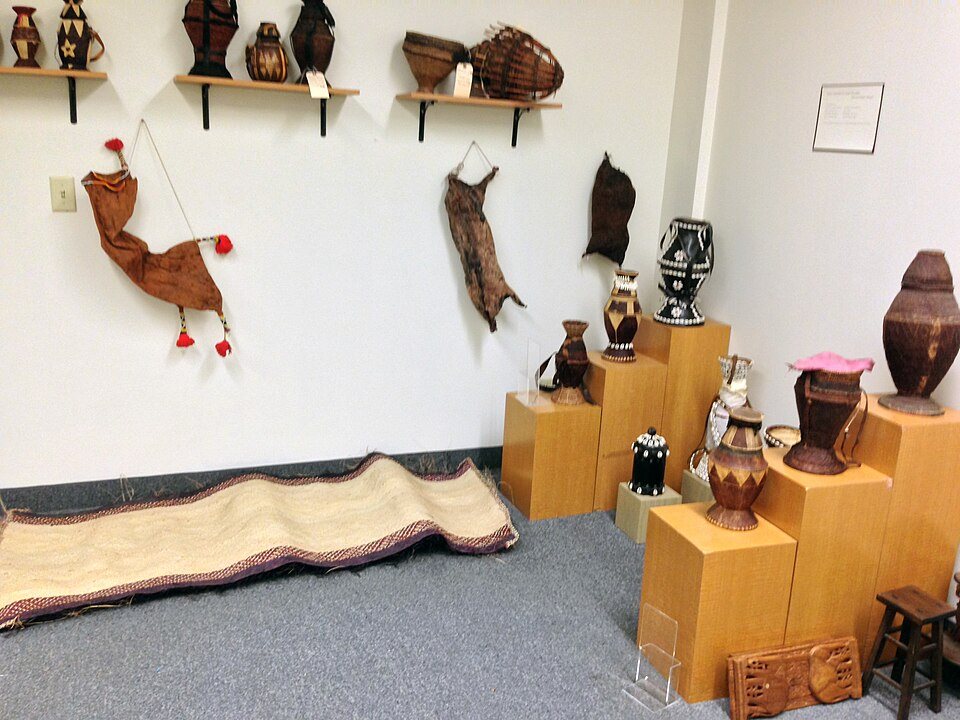
A collection of household objects and a neighborhood mosque offer two grounded ways to begin exploring Somali heritage and Muslim community life in Minneapolis. The Somali Museum preserves material culture and artistic skills, while Dar Al-Hijrah’s institutional history follows the development of a community space in Cedar-Riverside. These are specific starting points within a much broader Twin Cities Muslim landscape.
The Somali Museum traces its beginnings to Osman Ali’s collecting in 2009. It was founded in 2011 and opened a public gallery in 2013. Its own history describes a collection built around pastoral and nomadic life, including everyday craft, paintings, and sculpture. Objects came through the founder’s work and donations from families and artists. Museum history.
Look closely at an object’s material and purpose before moving on to its decoration. A container, textile, or household tool can raise questions about movement, storage, work, and the skills passed between generations. Ask a guide how an object was used and what knowledge is required to make it.
The museum’s account emphasizes connections between elders, artists, and younger generations. That makes it a particularly useful stop for families. Children can begin with a familiar question—how someone carried, stored, or made something—and then discover an unfamiliar technique.
The museum’s visitor page announces a move to the Midtown Exchange building. It lists 2925 Chicago Avenue, Suite C, and explains how to reach the ground-level entrance. The page also describes elevator access and a door buzzer. Older articles about the museum may point to its previous location, so use the current institutional directions. Hours and admission.
The published schedule distinguishes ordinary visiting hours from arranged visits for large groups or outside those hours. Check the current admission information and contact the museum for accommodations that would make the gallery easier to use. This is especially helpful if anyone in the group needs descriptive support or a seated pace.
Keep the address and entrance instructions with the booking. A museum inside a larger building can be easy to reach but less obvious to locate once you are there.
The museum offers traditional finger-weaving workshops. Its description explains that mats can be woven by hand without a loom or frame and names teachers who share the skill. The workshops provide a way to connect the finished objects in a gallery with the movements and knowledge needed to create them. Weaving workshops.
Check whether you are booking a group workshop or attending a public session. The website describes class arrangements and materials, so a school or community group can ask about a format that suits its participants. Time spent making something can give a museum visit a different rhythm from looking alone.
The Islamic Civic Society of America describes its beginnings in 1998 in Cedar-Riverside. Its account follows a community center established in a former industrial building, later name changes, and the development of Dar Al-Hijrah Mosque. It also records a fire in 2014 and reopening in 2015. ICSA history.
Those dates reveal a history of securing and rebuilding shared space. The organization now describes civic, educational, family, and interfaith work alongside the mosque. If arranging a visit, ask about a public program or a host who can discuss the institution’s development.
A photograph of a building can show the setting, while a conversation or archive can explain how the space was acquired and used. Keep those kinds of evidence together when documenting the neighborhood.
Carleton College’s Religions in Minnesota project provides an overview of Muslim communities in the state and discusses the significance of Somali settlement. Use it to broaden the research beyond the two institutions featured here. Muslims in Minnesota.
Plan the museum and Cedar-Riverside stops with enough time for travel and a break. Ask before photographing people, and keep the names of makers or community members who agree to be identified. The strongest record of this visit will connect a particular object, person, or institution to its own account of life in Minnesota.
CitiesArrange an Al-Farooq visit, explore East Atlanta’s community history, and build a practical local itinerary.
 Cities
Explore the ISBCC’s architecture, Greater Boston’s community histories, and Islamic art at the MFA.
 Cities
Use the Loop’s Downtown Islamic Center and a regional mosque directory to plan a realistic Chicago visit.