
 Cities
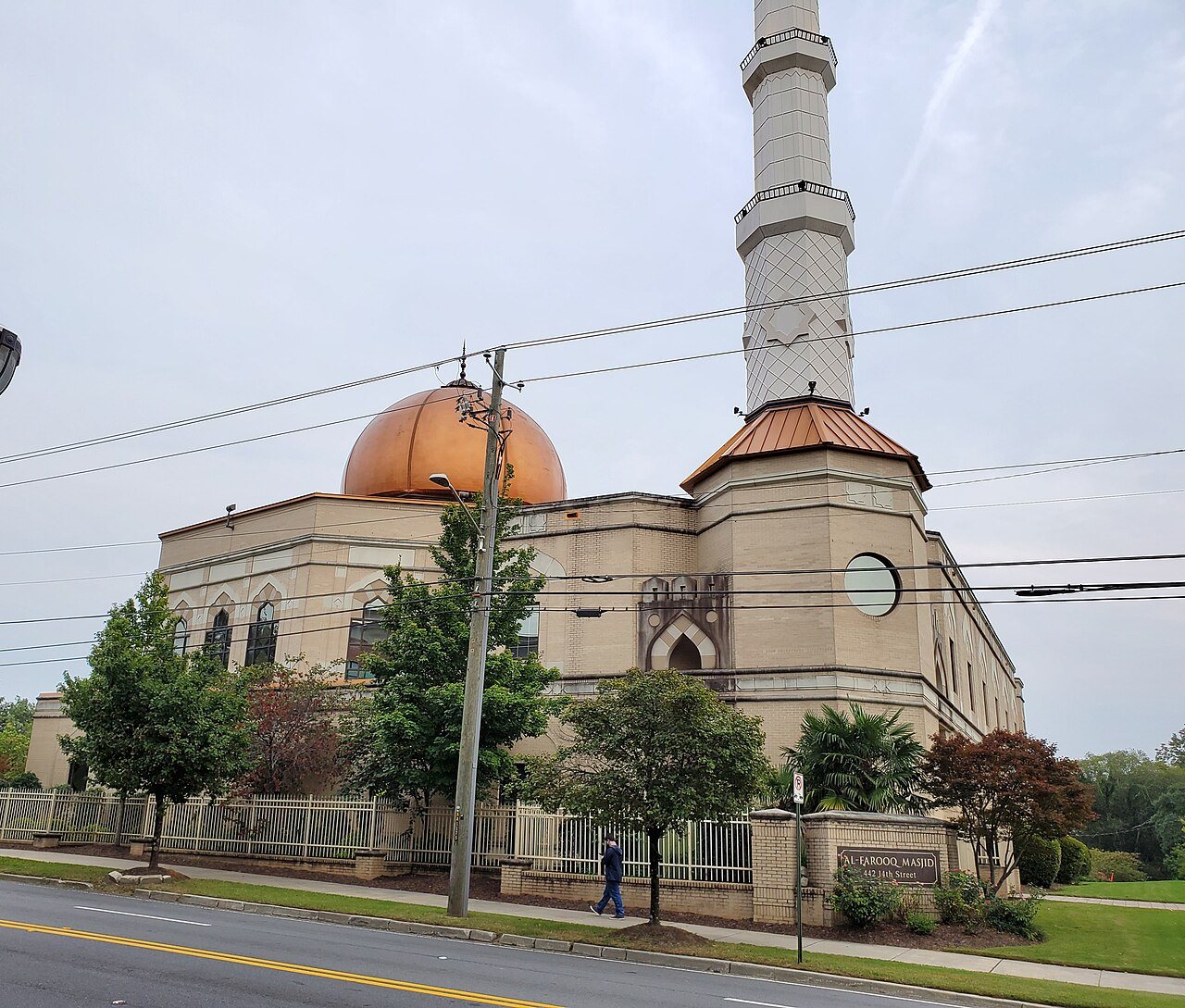
Visiting Atlanta’s Muslim community institutions
Arrange an Al-Farooq visit, explore East Atlanta’s community history, and build a practical local itinerary.
Explore Miami’s longstanding institutions and the regional connections reaching into Broward and Palm Beach counties.
A Muslim guide to Miami needs a regional map. The name can mean the city itself, Miami-Dade County or a much larger South Florida itinerary. Community institutions stretch across those boundaries, and an event described as “Miami area” may require a substantial drive from a visitor’s hotel.
Start by deciding whether your day belongs in Miami-Dade, Broward or farther north. Then choose a center, cultural conversation or community event within that area. The strongest introduction is a small number of meaningful stops, supported by the organizations’ own information.
The Islamic Center of Greater Miami identifies its parent organization, the Muslim Communities Association of South Florida, as established in 1971. Its about page lists centers on Northwest 183rd Street and Northwest Third Street. Those two addresses alone demonstrate why a directory should distinguish locations rather than attach everything to one broad city label.
The founding date is a useful correction to any account that presents Muslim South Florida as a recent arrival. Institutions have developed here across generations. That does not make one organization the voice of every Muslim resident, but it provides a documented place to begin learning about local continuity.
For an oral-history project, useful questions would include how members traveled to early gatherings, what language and educational needs changed, and how younger generations describe belonging in South Florida. Those are interview questions rather than conclusions this guide can supply without testimony.
ICGM’s services page describes youth mentorship, sports and social activities, educational programs, interfaith engagement and volunteer medical screenings or referrals. These offerings show the range of roles a community institution can play. The page is a starting point for contacting the relevant organizer, not evidence that every service operates every day.
Visitors interested in entrepreneurship can learn from this broader organizational life. Community events bring together volunteers, families and professionals whose work extends beyond the mosque. A business profile becomes richer when it asks how a founder found collaborators, learned a skill or responded to a local need.
For families, distinguish an occasional youth event from a continuing program. Ask about age ranges and registration through the organization’s own channels. This is particularly useful for visitors staying several weeks, who may want a repeated activity rather than a single attraction.
The South Florida Muslim Federation’s member directory brings together organizations across the region, including religious centers, educational institutions and service groups. Use it as an index of possible connections, then open the individual organization’s site for its location and current work.
The directory’s breadth is valuable precisely because South Florida is not one neighborhood. A listing in Boca Raton belongs in a different day plan from a stop in South Miami. County and municipality labels are useful navigational information, not incidental details.
The Islamic Center of South Florida traces its beginnings to 1984 and a small prayer space. Its institutional account adds another piece to the regional timeline. Comparing organizations’ histories can reveal how communities developed in parallel, rather than suggesting that all growth flowed from a single central institution.
The federation’s report on National Open Mosque Day in 2026 describes May open houses across six member organizations, from Miami Gardens to Boca Raton. Participants included ICGM, Islamic Foundation of South Florida, Al-Amin, Masjid Jamaat Al’Mu-Mineen, Weston and Boca Raton organizations.
That report documents a past event. It is useful evidence of public engagement and a lead for future programming, but it is not a promise that the same locations or dates will recur. Look for a newly published announcement when choosing a visit.
An open house can be especially helpful for a mixed group of friends or relatives. A scheduled welcome creates space for questions and offers a shared activity without expecting everyone to arrive with the same knowledge or religious background.
A Miami-Dade day could begin with an arranged institutional visit and continue with a nearby cultural stop. A Broward-focused day could use a federation member event as its anchor. Keep those options separate until you have compared actual travel times.
The lasting value of this region is its network of institutions and people. Follow the dates, locations and public programs, then make room for conversations. South Florida becomes easier to understand when its communities are allowed their own geography and history.
CitiesArrange an Al-Farooq visit, explore East Atlanta’s community history, and build a practical local itinerary.
 Cities
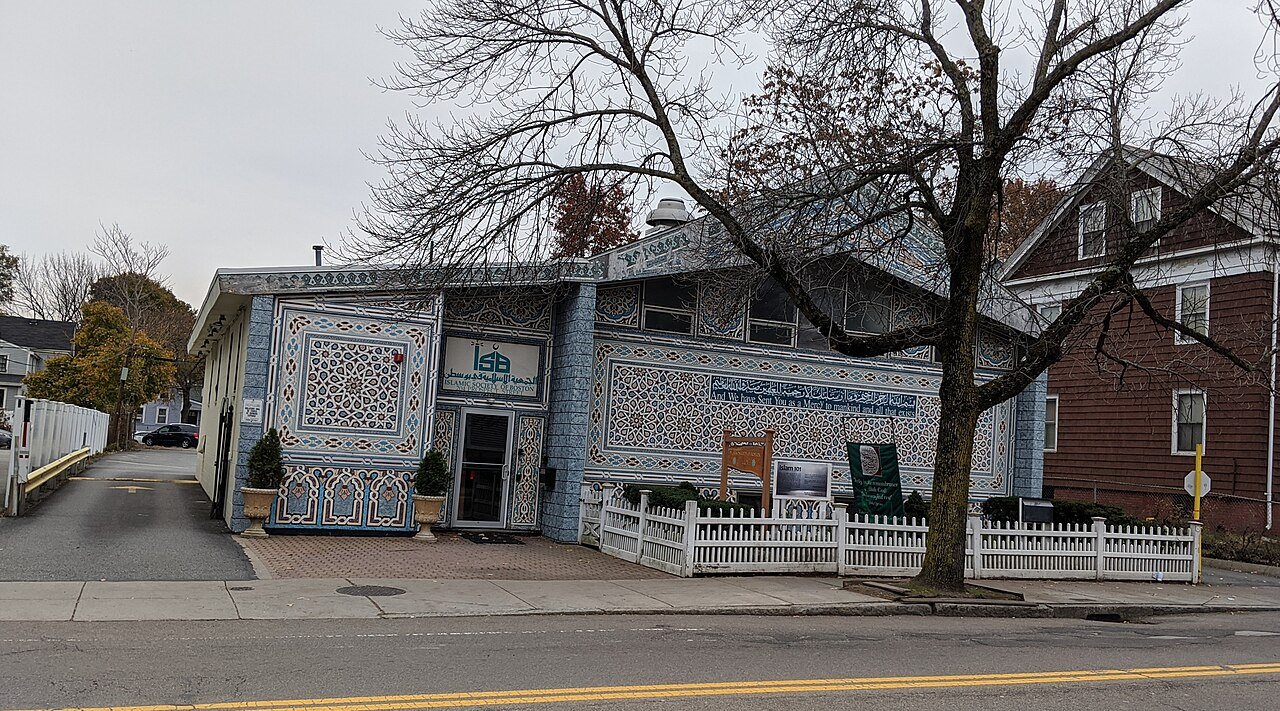
Explore the ISBCC’s architecture, Greater Boston’s community histories, and Islamic art at the MFA.
 Cities
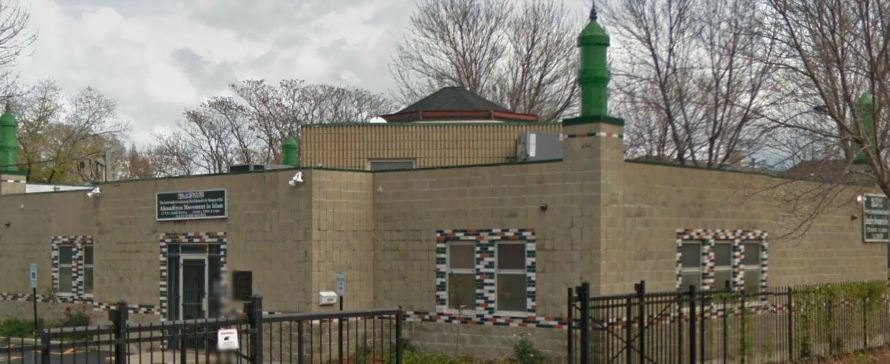
Use the Loop’s Downtown Islamic Center and a regional mosque directory to plan a realistic Chicago visit.