

 Cities
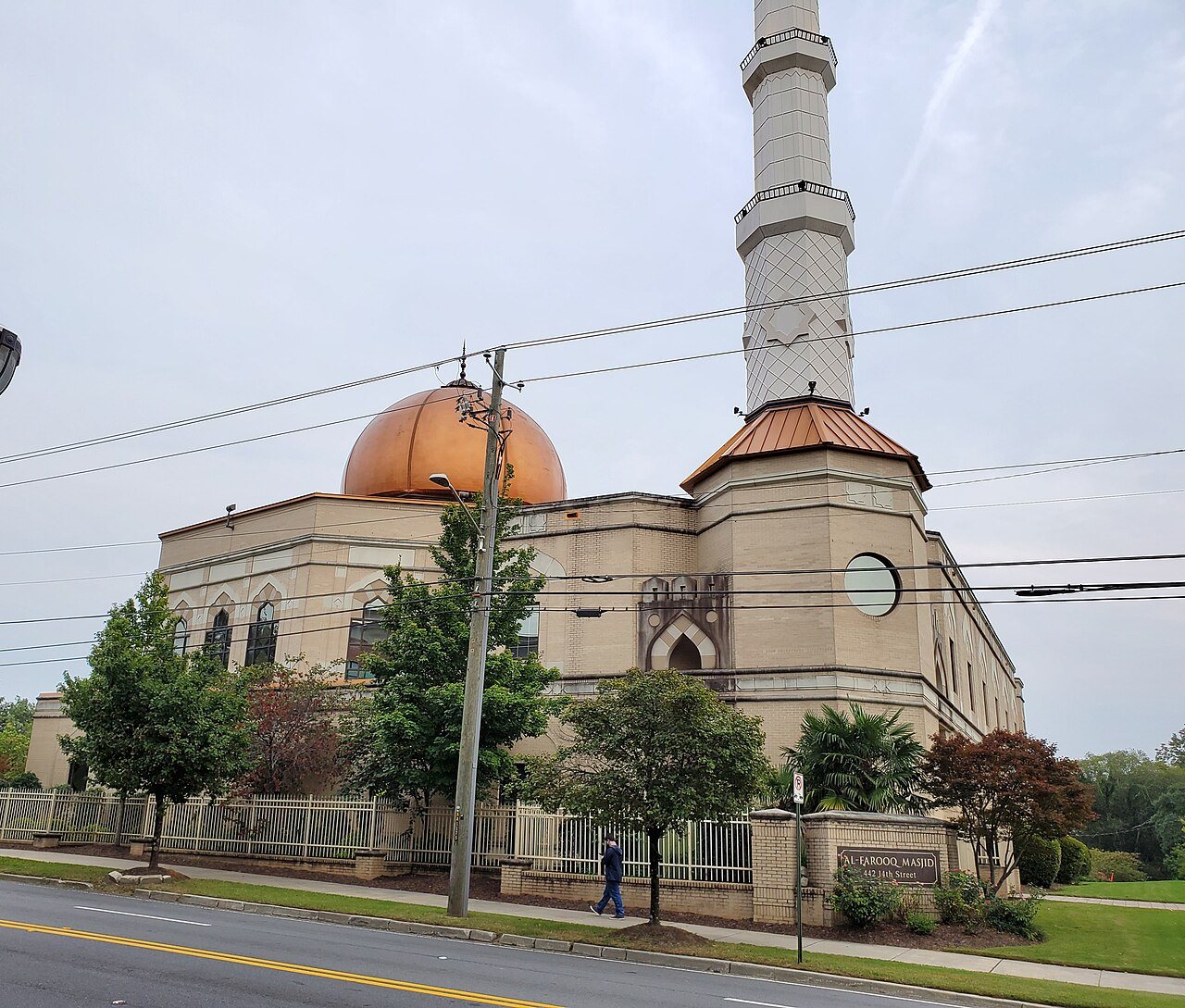
Visiting Atlanta’s Muslim community institutions
Arrange an Al-Farooq visit, explore East Atlanta’s community history, and build a practical local itinerary.
Explore Indianapolis’s Black Muslim history and Al Huda’s contemporary architecture, school, and public programs.
Indianapolis’s Muslim story includes early twentieth-century Black religious organizations, later immigrant institutions, schools, and a large contemporary community center in Fishers. A useful visit begins with that chronology, then follows a particular institution’s public activities. Looking at both the city and its suburbs helps explain how community life develops across different generations and settings.
The Encyclopedia of Indianapolis identifies an Ahmadi mission in 1926 and a Moorish Science Temple in 1930 among the city’s early formal Muslim-related organizations. It describes the importance of African American Muslims through much of the twentieth century and follows later developments involving the Nation of Islam and Sunni congregations. Indianapolis Muslim history.
The essay also discusses the impact of immigration after 1965. Read these developments as overlapping histories. A newer suburban institution does not replace the story of an older city congregation, and the founding date of a group may precede its current building by decades.
For a closer institutional history, read our Masjid Nur-Allah article. Follow the congregation’s names and locations alongside the city-wide chronology; a photograph of a later building does not date the organization’s beginnings.
Al Huda Foundation’s history places its formal organization in 2002, followed by the purchase of a Lantern Road property in 2005. It describes an early warehouse prayer space, later classrooms, and the opening of Eman Schools in 2006. The new mosque and community center was completed in 2021. Al Huda history.
The center’s description identifies a gym, gathering areas, calligraphy, and Islamic decorative work. Those details give an architectural visit a practical focus. Ask how the spaces are used across a week and how the school and center relate to each other.
For families considering the area, separate an educational inquiry from a visitor tour. Admissions, age ranges, places, and transport deserve direct discussion with the school. A broad institutional history cannot answer those household questions.
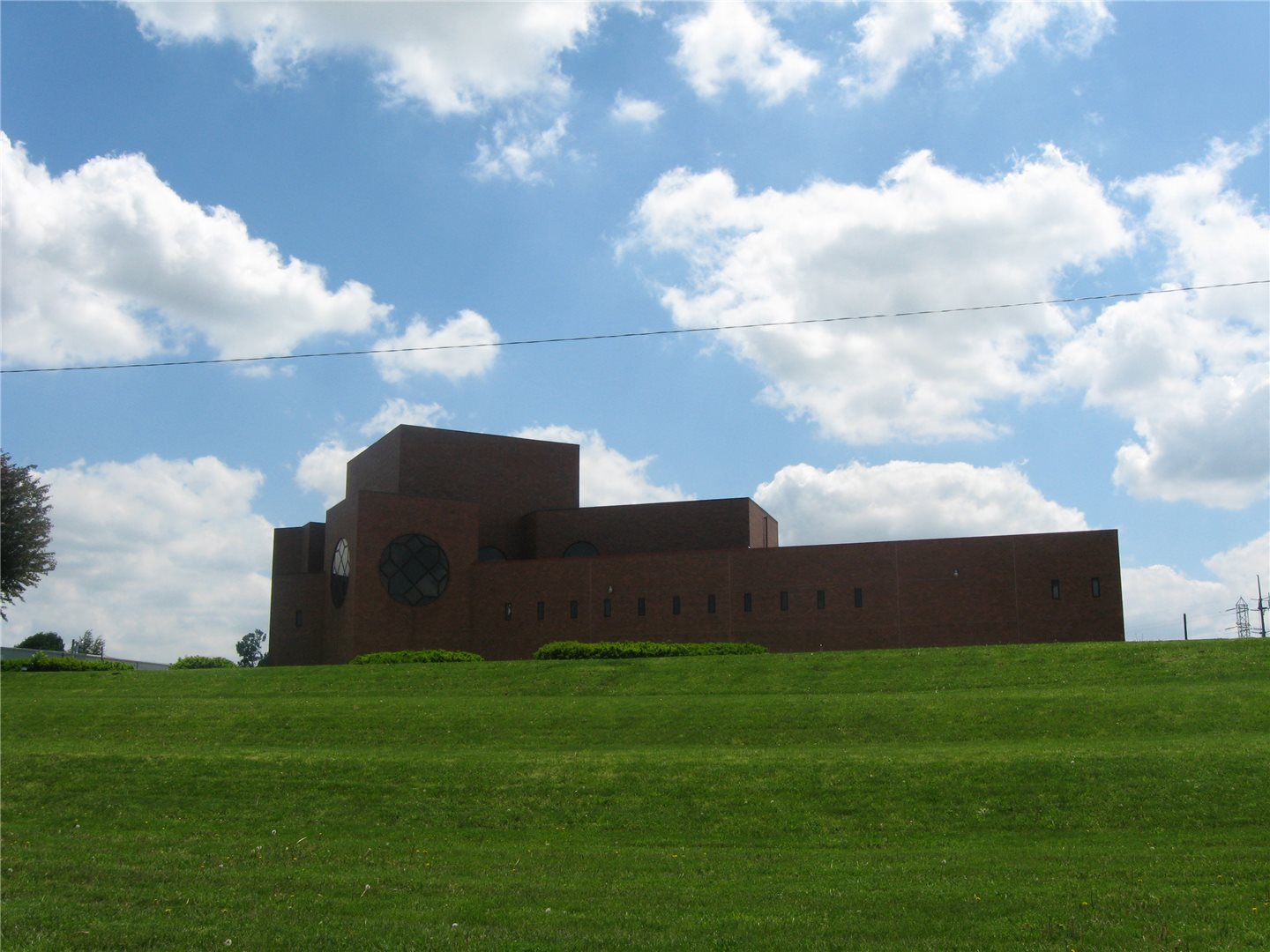
Plainfield adds another part of the region’s institutional history. The Encyclopedia of Indianapolis traces ISNA’s origins to the Muslim Students Association, founded by students meeting in Illinois in 1963. Land acquired in Indiana in 1976 became the setting for a headquarters completed in January 1983.
The photograph here shows that Plainfield building in 2008. Its brick walls and round window belong to a different site from the Al Huda center described above. The longer MSA and ISNA history follows the student networks, organizational changes and opposition surrounding the headquarters project. Treat it as a historical starting point; the photograph does not establish current access or tour arrangements.
Al Huda’s interfaith page describes an open-house format with a guided mosque tour, a bazaar featuring local makers and a children’s booth. Confirm the next event date and booking details directly through the center. Al Huda public programs.
The bazaar element can be a starting point for discovering local makers and small businesses. Speak with sellers about who makes the products, where the business operates, and whether there is an online catalog. Keep a business’s own public description when identifying its ownership or cultural connection.
The same interfaith page describes food-drive work, blood drives, and use of the mosque as a polling location. These activities show a building participating in neighborhood life in several ways. A visitor interested in volunteering should ask which opportunity currently needs help and what commitment is expected.
The Muslim Alliance of Indiana’s member list includes mosques, schools, student groups, and organizations such as the Burmese Muslim Community and Education Center. It gives readers a wider field of inquiry than any one visitor itinerary can cover. Use the names to locate current official pages and contacts. Alliance members.
Butler University also publishes Muslim community resources. University resource pages can be useful for students and visiting families because they identify nearby institutions in the context of campus life. Check the individual organization before traveling. Butler resources.
A city-history stop and a Fishers community visit can complement each other if each has a clear purpose. Give the appointments enough travel time and avoid asking a host to summarize every Muslim community in Indiana.
Bring one historical question and one practical question. For example, ask how the congregation obtained its first shared space and which public activity a newcomer could join. The answers connect the institution’s past to the way people use it now, giving an Indianapolis visit a specific and memorable shape.
Continue with the Indiana state guide for a separate account of Bloomington’s Islamic Center and public education. Bloomington and Fishers are different destinations, so plan travel around a confirmed event rather than treating them as neighboring stops.
CitiesArrange an Al-Farooq visit, explore East Atlanta’s community history, and build a practical local itinerary.
 Cities
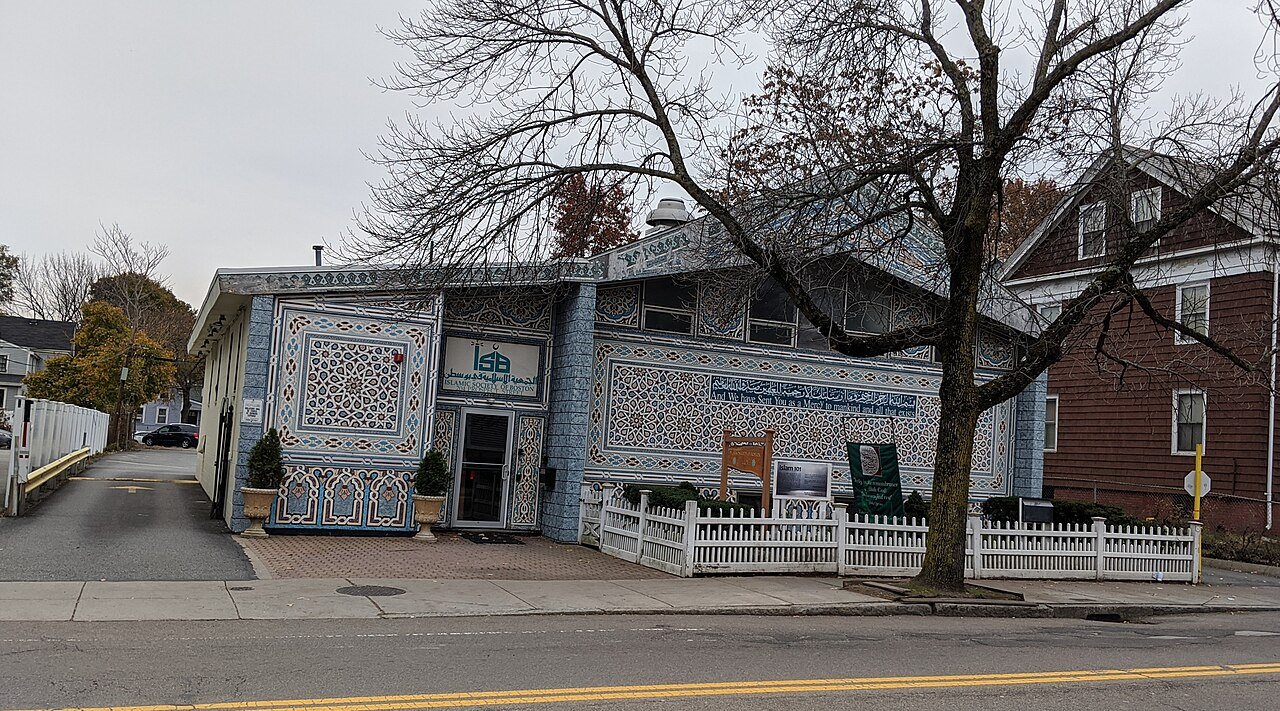
Explore the ISBCC’s architecture, Greater Boston’s community histories, and Islamic art at the MFA.
 Cities
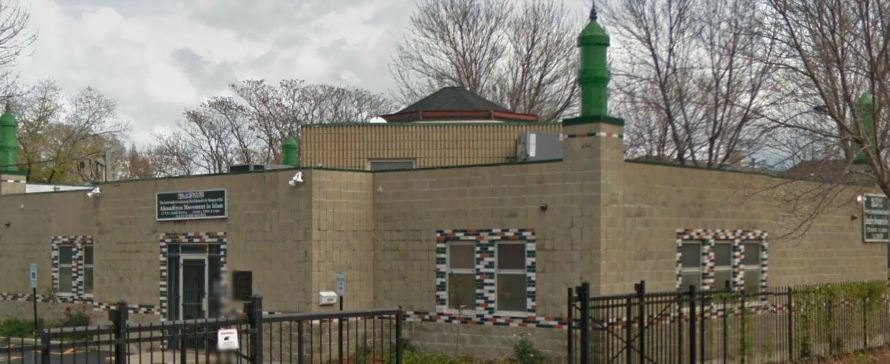
Use the Loop’s Downtown Islamic Center and a regional mosque directory to plan a realistic Chicago visit.