Houston’s Ibn Sina Foundation and routes into Texas art and community
A February 2023 Texas House resolution records the Ibn Sina Foundation’s growth from one clinic and a part-time employee after its founding in 2001 to seven sites and more than one million patient visits. The Houston-area foundation serves people who struggle to afford routine care. Its model includes low-cost services; it should not be described as making all care free.
Count visits, and name the period
The seven clinics recorded in the resolution were in Harris, Fort Bend and Jefferson counties. The document also describes more than 90 staff members at that point. Patient visits can include repeated appointments for the same person: one million visits is not evidence that a million distinct people were treated.
What the network was built to provide
The Texas House account describes preventive and primary care alongside dental, diagnostic, specialty, behavioral and children’s health services. It also records referral relationships with nonprofits, public agencies and hospitals. Those connections matter because a community clinic cannot be understood only through the services inside one building.
The resolution recognizes historical service; it is not a clinical assessment. Consult the foundation’s current information for access and charges.
Houston and Dallas offer different reading routes
The Houston guide continues the local community story. The Dallas–Fort Worth guide introduces a separate metropolitan area; it should not be read as an extension of the Houston clinic network. These geographic distinctions help keep a statewide overview usable.
A museum object can carry several histories
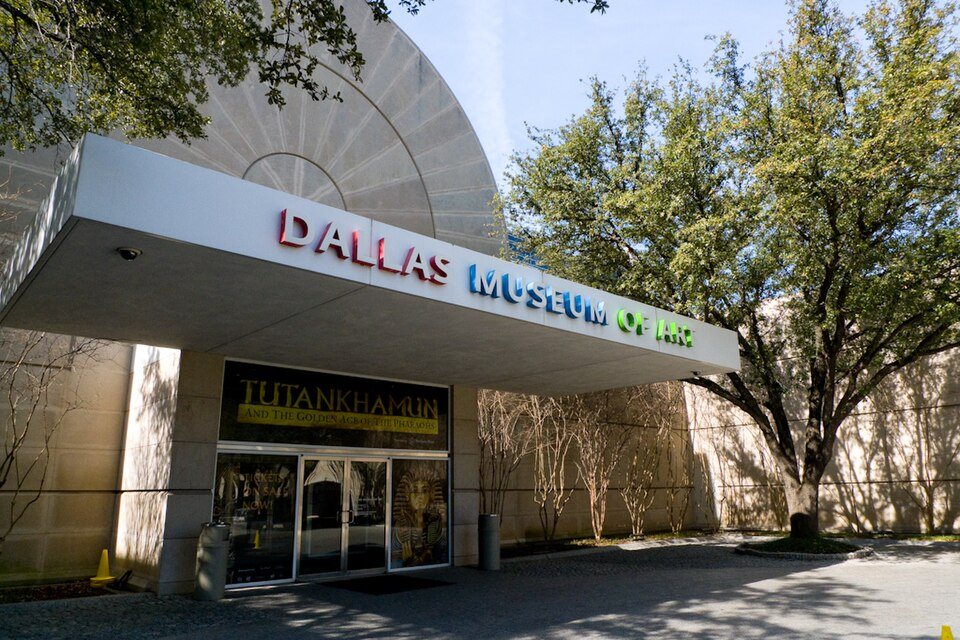
Our Keir Collection article at the Dallas Museum of Art starts with a rock-crystal vessel and the question of what a later mount changes. It also compares metalwork, tiles and manuscripts. The guide is designed around looking closely at materials, rather than trying to see an entire collection in one visit.
Use it to choose a question before arriving: which parts of an object belong to different periods, how is a surface made, or what can a fragment tell us about a larger whole? The collection records linked in that article are research starting points. An archived exhibition does not establish that every illustrated object is currently on display.
Follow the story
Explore the original reporting and organizational records:
Selected local stories, not a complete account of the state. Events and figures refer to the periods stated above. Check directly with organizations for current services.