Philadelphia’s family volunteering and neighborhood institutions
WHYY’s 2019 reporting followed Dalal and Amer Dabbour and their sons preparing free evening meals for neighbors at the Al-Aqsa Islamic Society in Philadelphia. The family’s volunteer effort had begun in 2013 with support from an anonymous donor. The reporting describes a welcome extending beyond those observing Ramadan, including people experiencing homelessness.
The work behind a recurring welcome
Rachel Wisniewski’s WHYY report describes Dalal and Amer Dabbour working with their sons Jawad and Anas. The contribution involved preparation and coordination, sustained across several years with donor support. Its public welcome included neighbors who were not observing Ramadan. This is a dated community-service account, not a current dining listing.
Al-Aqsa in a wider neighborhood history
The Encyclopedia of Greater Philadelphia traces Al-Aqsa’s founding to Palestinian immigrants in 1992. Its historical essay places that institution within a broader account of African American Muslim communities, immigration and changing neighborhood patterns. The Dabbour family’s volunteering is one episode within that larger institutional life.
The same essay records a University of Pennsylvania Muslim Student Association dating to 1963. A campus association and a neighborhood mosque meet different needs; both belong on a historical map of the region. Their founding dates should not be mistaken for the date Muslim life began in Philadelphia.
A public walk across religious communities
The encyclopedia also describes Al-Aqsa’s role in establishing the Philadelphia Interfaith Walk for Peace and Reconciliation. Its historical account records Jewish, Muslim, Christian and other participants joining walks from 2004 onward. That is another way an institution can operate in public life beyond its own congregation.
Read the walk as a documented historical example, rather than a promise that a particular event will run on a particular date. The distinction lets the guide preserve an institutional achievement without pretending to maintain an events calendar.
Explore Philadelphia through specific institutions
The city guide introduces Masjidullah, regional directory resources and other places to research. Choose one institutional history first, then follow its official public information for access. A building may be in regular use without offering drop-in tours.
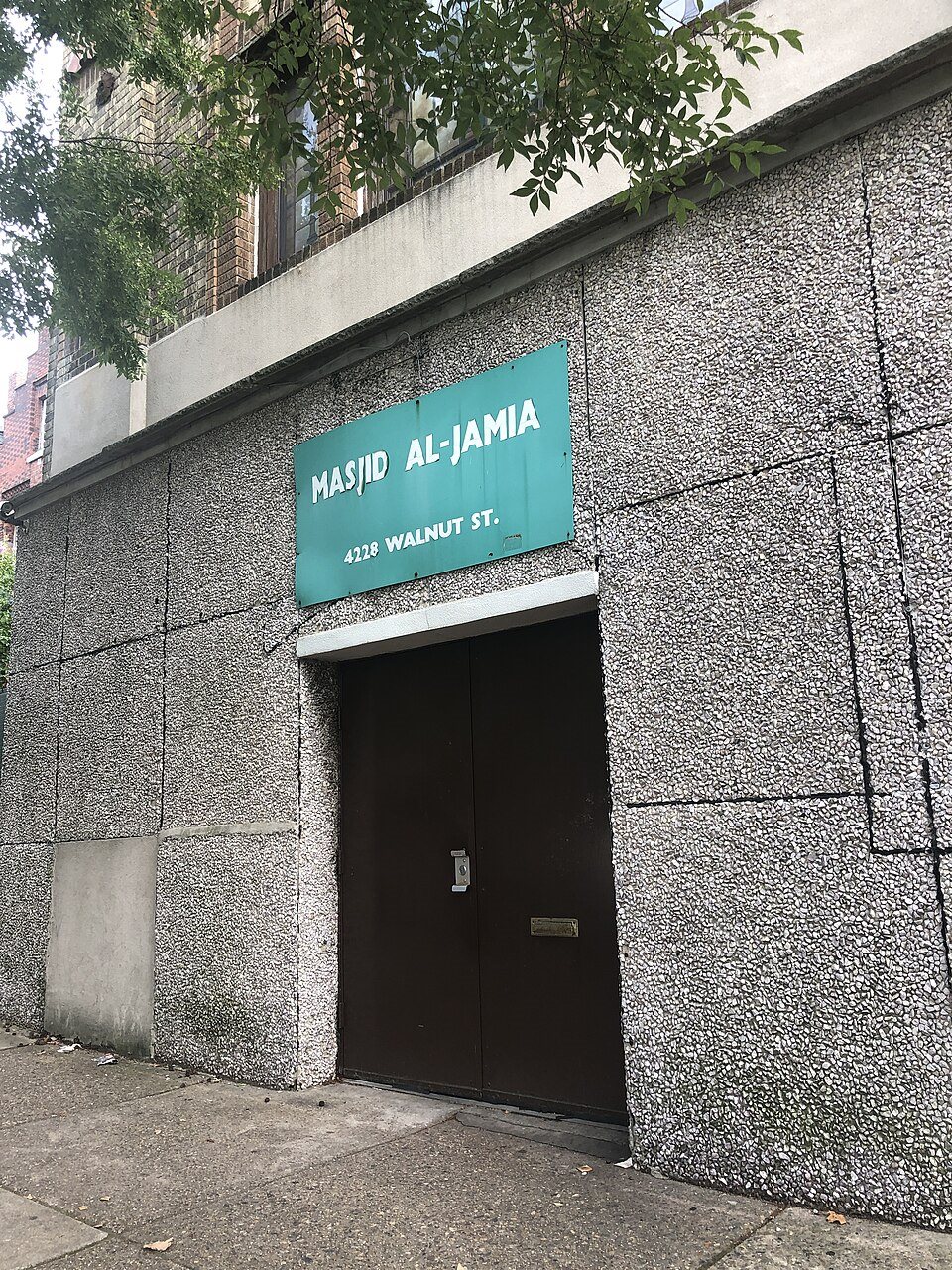
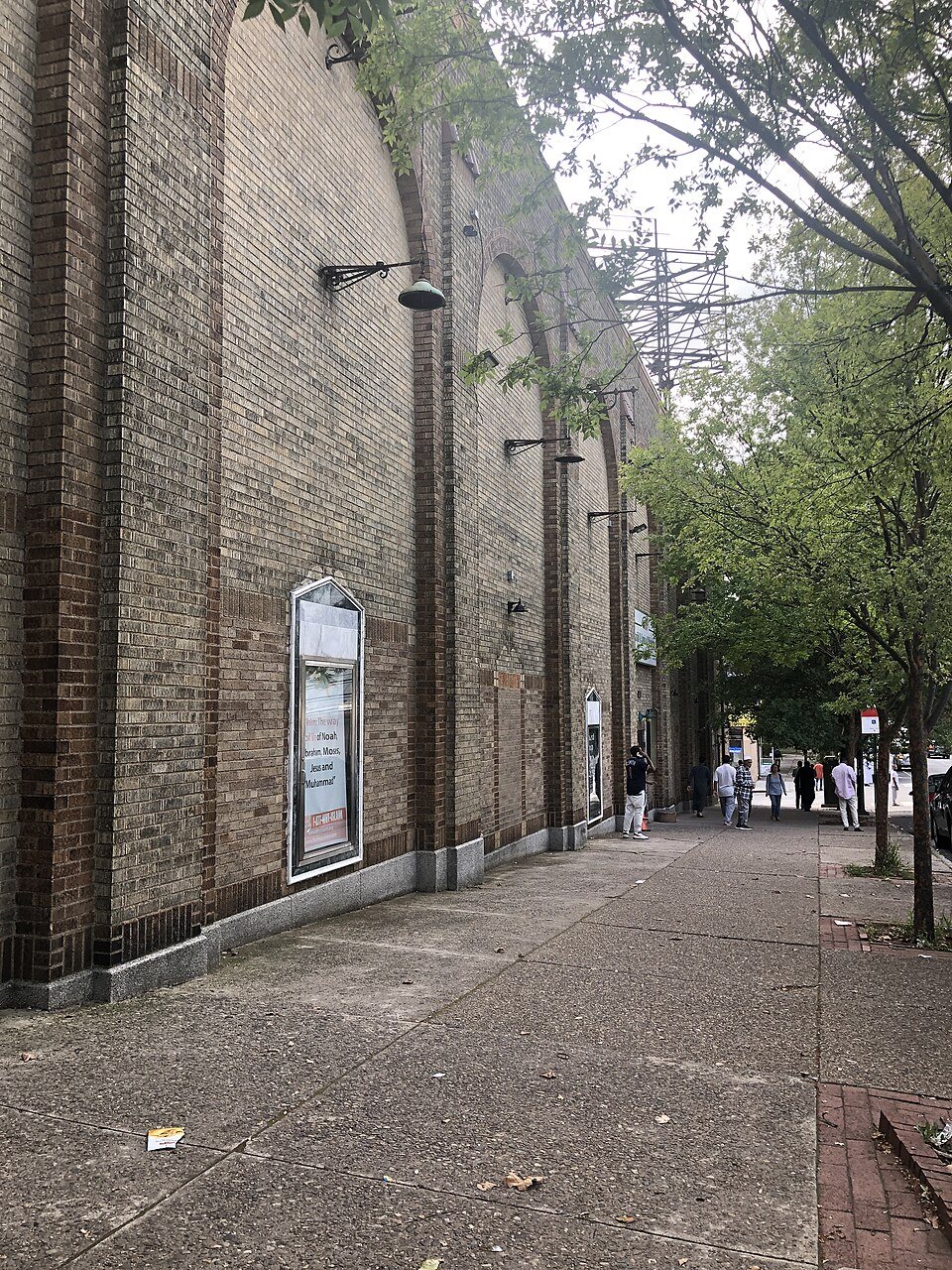
The photographs below come from the broader city guide. They are contextual views, not documentation of the Dabbour family’s volunteer work. WHYY’s original photographs remain with the publisher; no permission to republish them has been established.
Follow the story
Explore the original reporting and organizational records:
Selected local stories, not a complete account of the state. Events and figures refer to the periods stated above. Check directly with organizations for current services.