Winter clothes were the starting point. At a Friendsgiving gathering in 2016, Amarra Ghani asked guests to bring donations for refugees in Charlotte. When she delivered them, she learned that families also needed bedding, towels and utensils. Wiley Cash’s 2021 PineStraw profile traces the response from a collection among friends to an organization helping people establish a home.
Charlotte: support built around the details of arrival
Welcome Home Charlotte dates its organization to 2017. Its own account describes an independent, community-supported project whose assistance is not restricted by religion or ethnicity. That distinction matters: Ghani’s Muslim identity is part of her publicly documented story, while the people served need not share it.
From furnishing apartments to navigating appointments
Cash’s profile describes an early network of donors and volunteers, followed by a board and more structured work. Alongside household necessities, the organization developed English-language support and connections with translators for appointments. These are practical obstacles that can persist after a family has somewhere to live.
The 2016 collection and the 2017 organizational date describe different stages. Keeping both makes the origin clearer than assigning the whole project a single birthday. For a wider view of local institutions and cultural life, continue with our Charlotte guide.
Fayetteville: a scholar’s writing survives enslavement
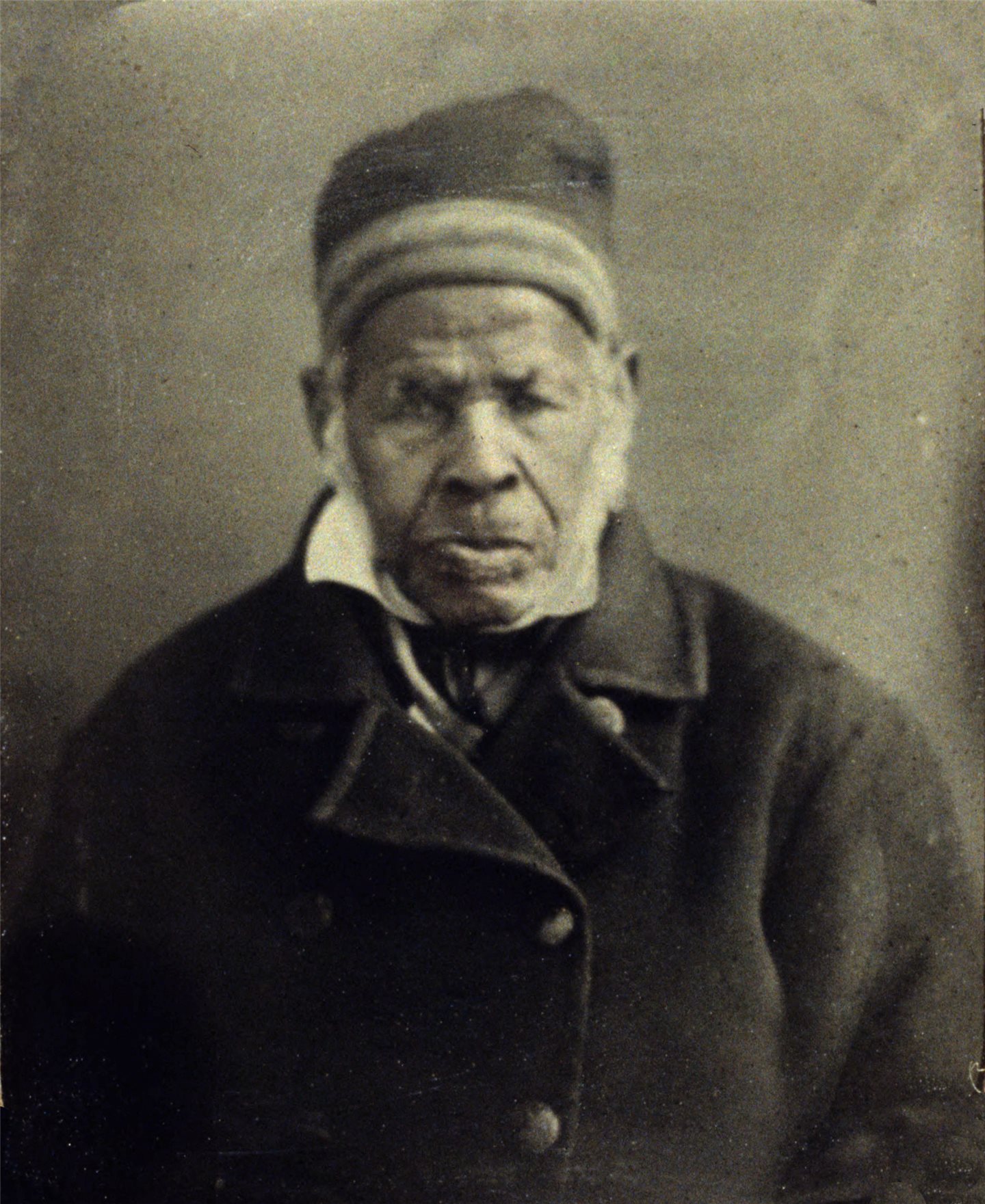
Omar ibn Said’s 1831 Arabic autobiography places North Carolina in a much earlier Muslim American history. Born in Futa Toro in West Africa around 1770, he had studied and taught before his enslavement. North Carolina’s historical-marker account records his arrival in Fayetteville in 1810 after escaping an enslaver in South Carolina. Imprisoned there, he wrote Arabic prayers on the cell walls with coal.
James Owen subsequently enslaved him in Bladen County. The manuscript is evidence of a literate person’s account of his life under coercion, not a story of voluntary migration. A marker on Murchison Road in Fayetteville offers one local point of connection; the surviving writings deserve attention in their own right.
Chapel Hill: the work behind a Nobel Prize
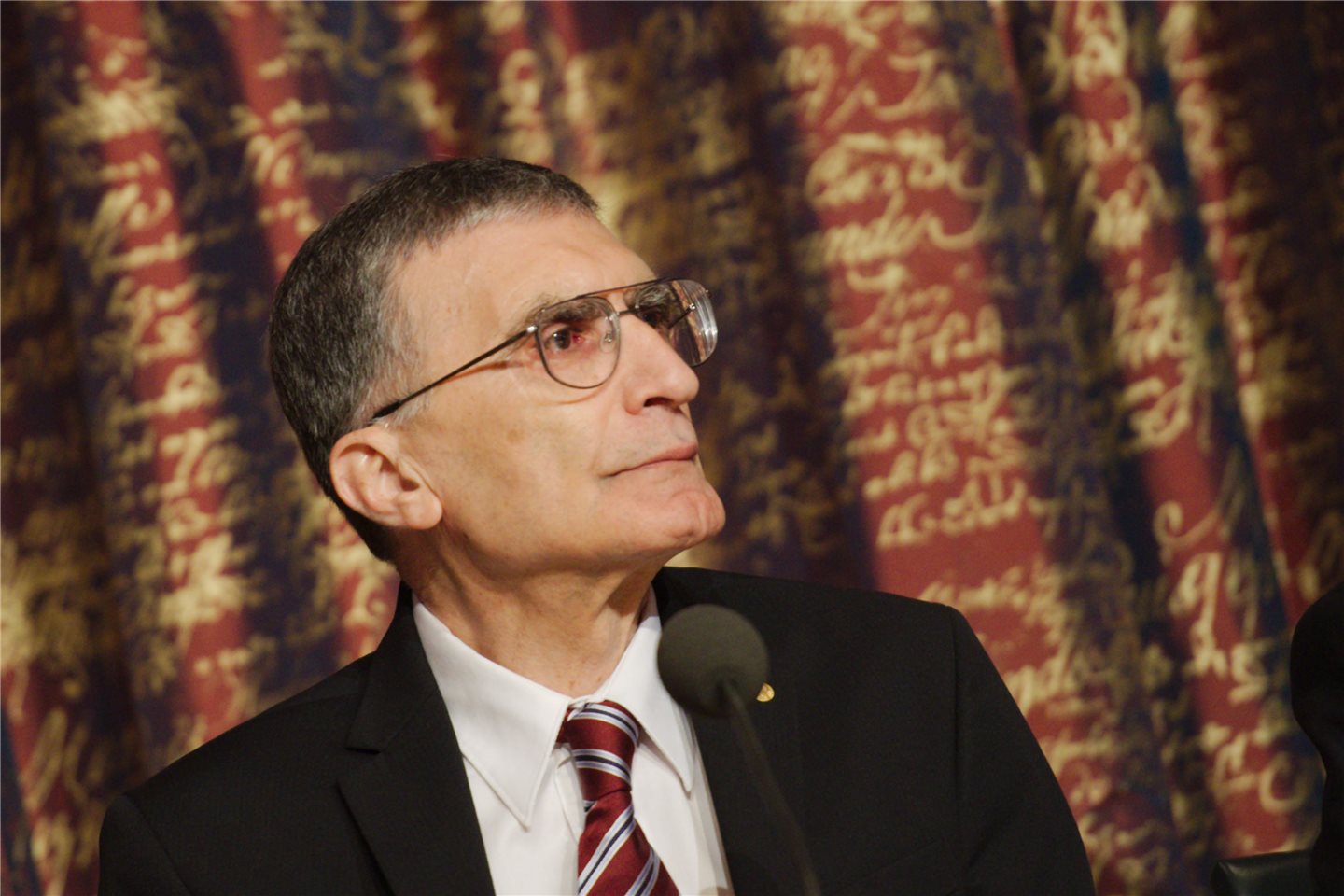
At UNC, Aziz Sancar helped explain nucleotide excision repair: the molecular process that removes damaged sections of DNA and restores them. He shared the 2015 Nobel Prize in Chemistry with Tomas Lindahl and Paul Modrich. UNC’s 2025 retrospective also describes his teaching and the contribution of colleagues and trainees, including Laura Lindsey-Boltz and Christopher Selby.
The scientific achievement is a mechanism made understandable through laboratory work. It should not be recast as a promise of a particular treatment. Sancar and his wife Gwen also supported Turkish cultural and scholarly exchange in Chapel Hill. The cultural center operates independently of religious and political affiliations, another reason to distinguish an individual’s identity from an institution’s purpose.
Follow the story
Explore the original reporting and organizational records:
Selected local stories, not a complete account of the state. Events and figures refer to the periods stated above. Check directly with organizations for current services.