Detroit’s housing, oral histories and community health care
DREAM of Detroit works along the Woodrow Wilson corridor in the upper eastern Dexter-Linwood neighborhood. Its full name, Detroit Revival Engaging American Muslims, describes an organization whose stated approach combines housing and land development with community organizing. Its published plan puts existing residents at the center of the neighborhood’s future.
A neighborhood plan is not a completed neighborhood
DREAM’s account includes both work on existing housing and an ambition for a stronger economic corridor. Its long-term vision also describes future homes and services. Those projected outcomes should be read as goals, not counted as buildings already occupied or people already served. Our longer profile separates documented work from proposed development.
Young interviewers, older community knowledge
DREAM’s storytelling project gives neighborhood history a different form. Eight high-school and college-age interns learned interviewing and video skills while recording people across generations, with particular attention to elders who had spent years in community service.
The organization credits anthropologist Alisa Perkins, producer Malikah Shabazz, photographer Tasneem Joseph and documentary-maker Razi Jafri among the professionals supporting that work. Its project page links to an oral-history archive at Western Michigan University. This offers readers something beyond a description of the organization: recordings through which they can hear participants’ accounts.
An oral history preserves a person’s recollection and perspective. It should be credited to its speaker rather than treated as independent proof of every event mentioned. Listen for names, places and dates that can connect a personal account with other records.
HUDA: from a mosque-based clinic to a larger facility
HUDA Clinic dates its opening to May 2004, initially supported by funds gathered within Metro Detroit’s Muslim community. It began at the Muslim Center of Detroit and later moved to a larger building on Woodrow Wilson Street.
According to its organizational history, that move supported expansion beyond medical services into areas including dental, vision, podiatry and mental health care. HUDA credits volunteers and donors with sustaining the work. These are the clinic’s descriptions of its development, not a guarantee that a particular service is available to every person on every day. Follow the clinic’s own information for current access and appointments.
Read Detroit and Dearborn as distinct places
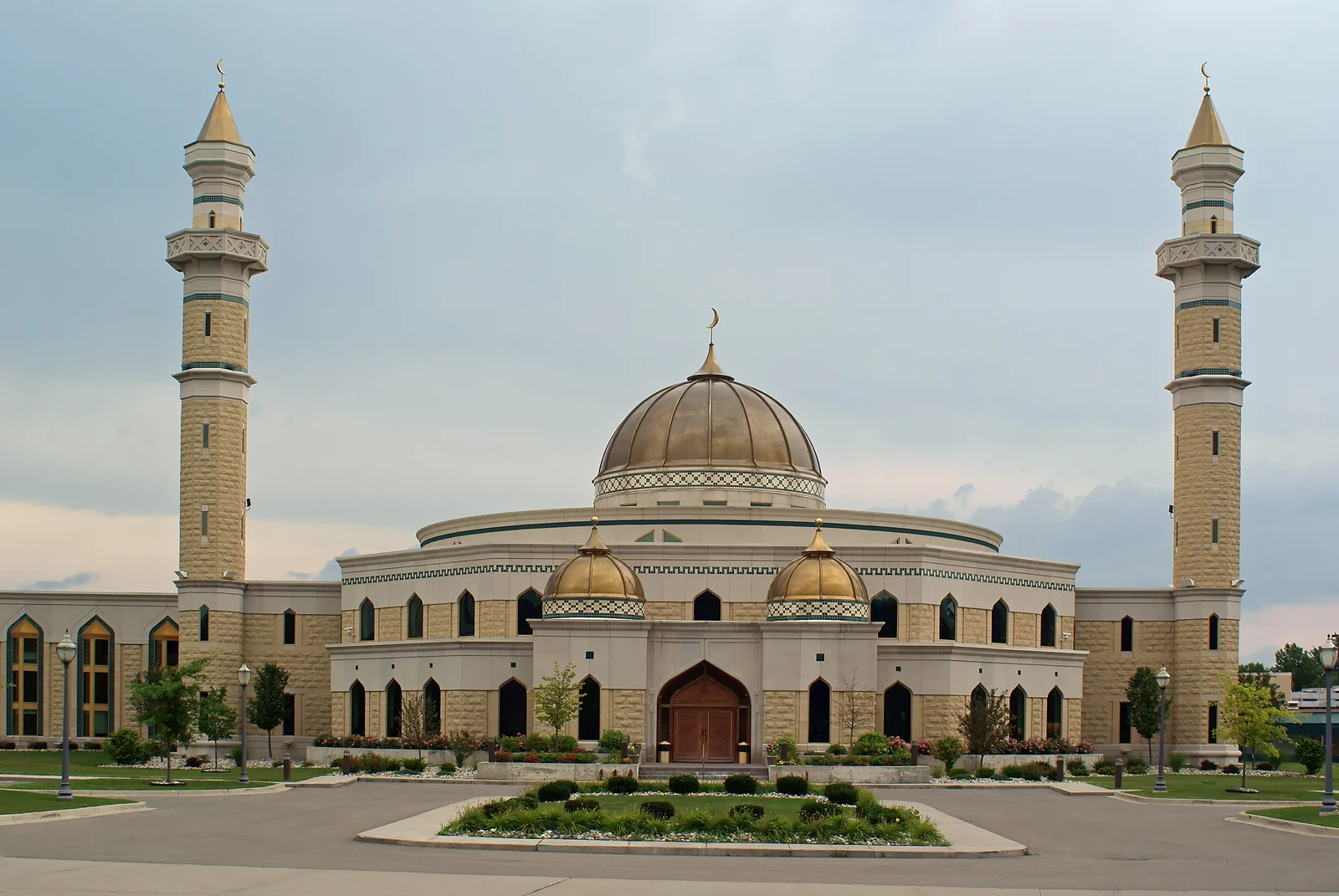
Our wider area guide also covers Dearborn. It is a separate municipality, and photographs of its institutions should not be mistaken for pictures of DREAM’s neighborhood or HUDA’s clinic. Nor does an Arab American identity establish that a person is Muslim.
For this page, the useful geographic thread is Woodrow Wilson Street: it appears in DREAM’s neighborhood plans and in HUDA’s institutional history. Follow the two organizations separately to understand their different roles, then use the city guide for a broader view.
Follow the story
Explore the original reporting and organizational records:
Selected local stories, not a complete account of the state. Events and figures refer to the periods stated above. Check directly with organizations for current services.