Honolulu stories: Jan Rumi’s care work and a mihrab’s journey
In an August 2008 Honolulu Star-Bulletin profile, Jan Rumi explained why he had left corporate consulting for community service. He and a partner had opened Community Empowerment Services the previous year to work with people experiencing homelessness and mental illness. Rumi explicitly connected that change with his Muslim faith. His story offers a view of Muslim life in Honolulu through professional skills put to a different use.
A change of career, a team providing care
Reporter Mary Adamski described Rumi’s background in computer science and consulting, then the counselors, social workers and doctors working at the new organization. At the time, the paper reported a staff of 25 serving 160 clients referred by the state. Those numbers belong to 2008. The profile is a record of the organization’s early work, not a current service directory.
Another Honolulu story begins in Varamin
Honolulu is also home to Shangri La, the former home of collector Doris Duke and a destination for studying Islamic art. Its collection creates a different kind of connection with Muslim histories. An object’s beauty is one part of that story; where it came from and what its removal meant are other parts.
A University of Michigan-hosted study by Keelan Overton and Hossein Nakhaei follows the luster mihrab from the Emamzadeh Yahya shrine at Varamin, Iran, to Honolulu. Dated May 1265, the monumental prayer niche stands more than twelve feet tall and seven feet wide. It once directed prayer within the shrine’s tomb chamber.
Look beyond the museum setting
The researchers examine the mihrab’s displacement, sale and later presentation as art. Their account begins with its long life in the shrine, including inscriptions and the effect of light on its luster surface. A 2024 view of the tomb documents the space from which it is missing. This changes the question a visitor can ask: not only how the tilework was made, but how a building’s architectural feature became a museum object.
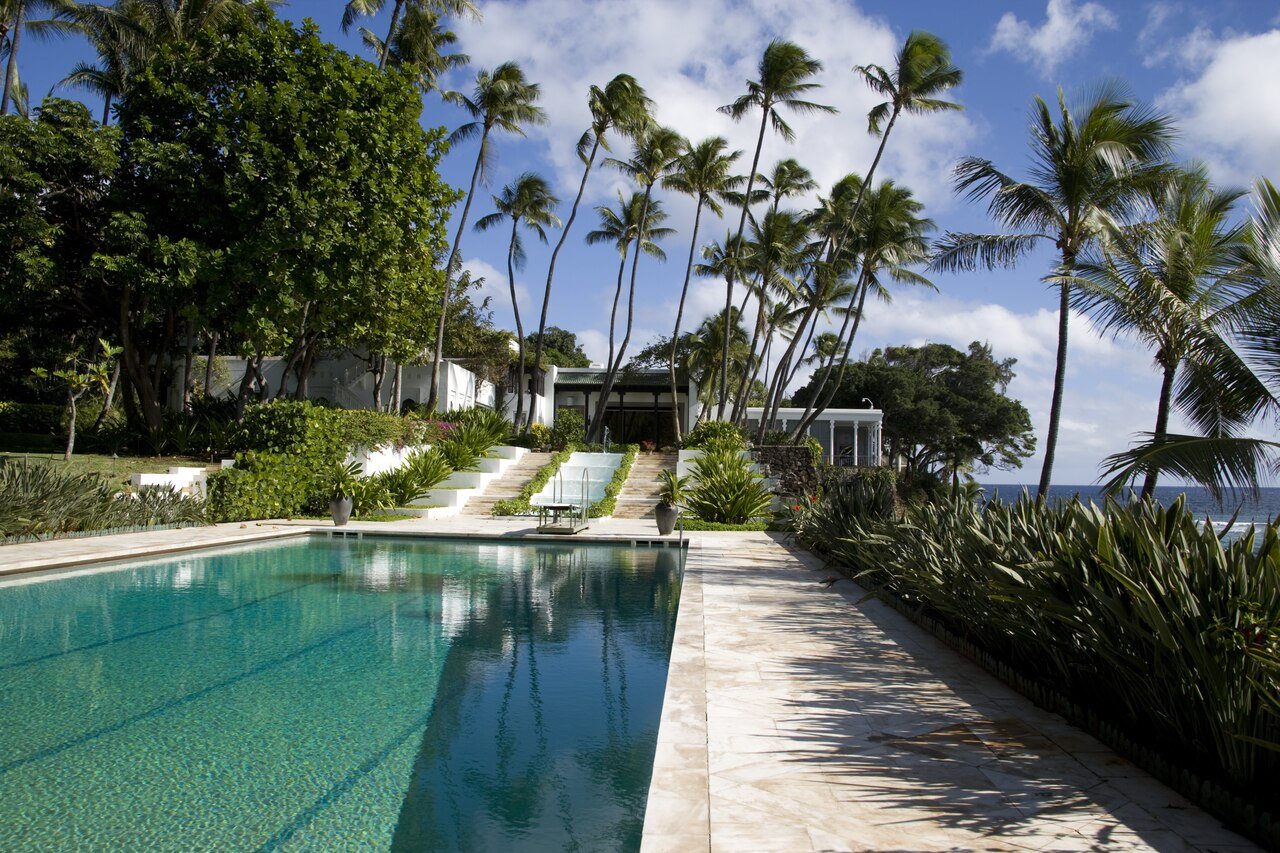
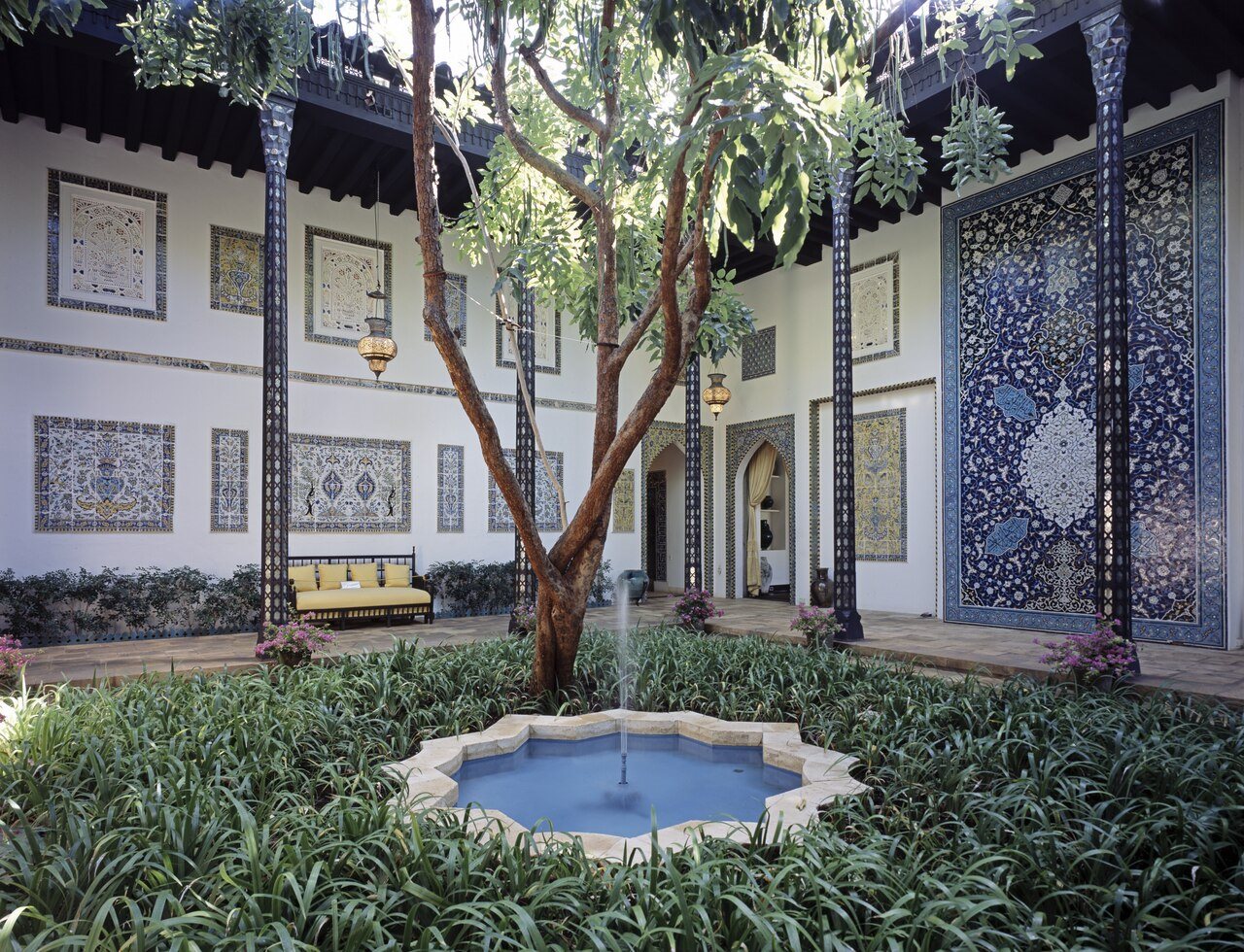
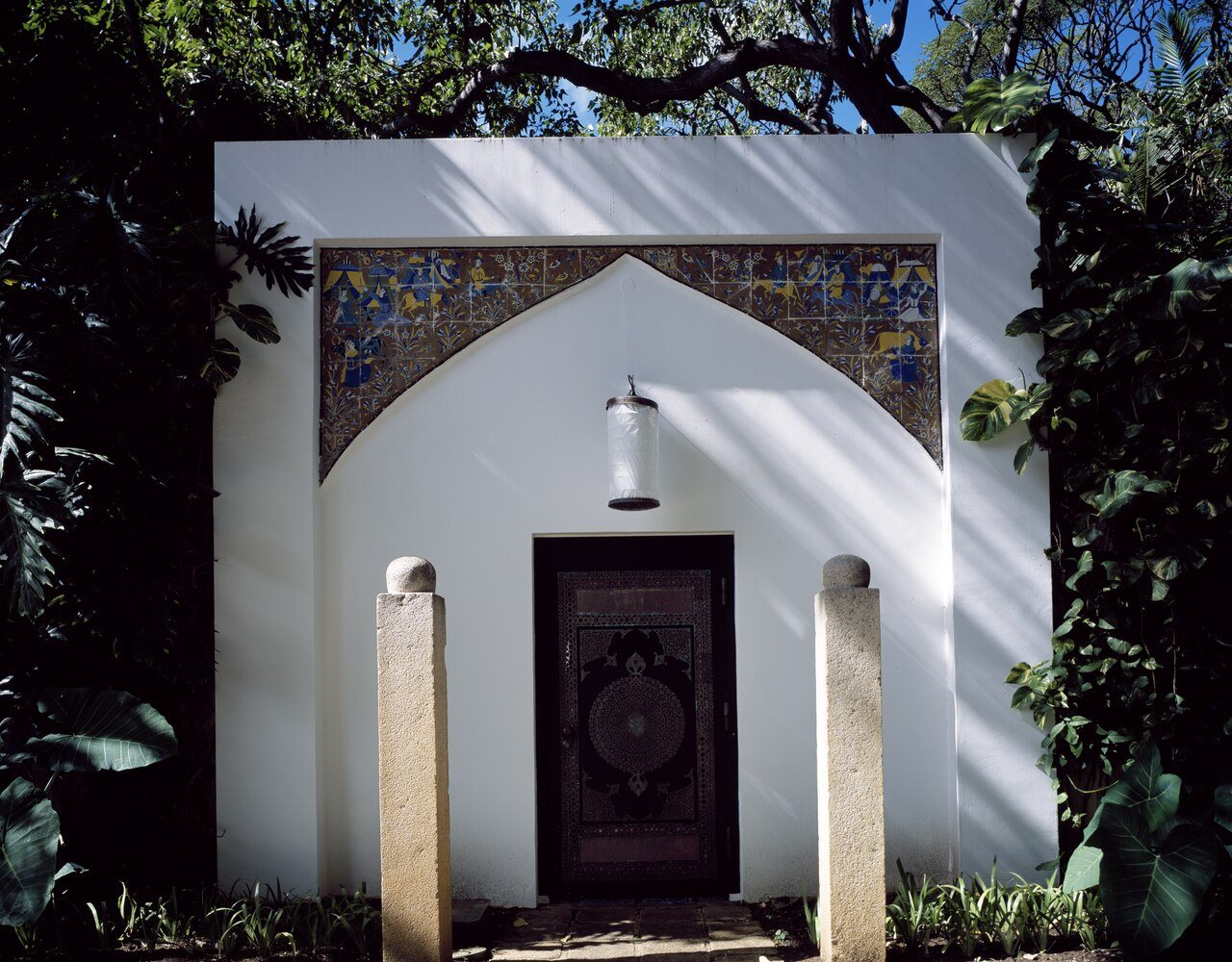
Muslim Nook’s Shangri La guide provides a route into the collection and the questions surrounding it. The historical photographs linked below show the Honolulu setting; they are not photographs of Rumi, his care organization or its clients.
Two distinct routes into the city
Rumi’s profile documents a Muslim resident’s own account of service. The mihrab study follows Islamic material heritage across continents. Reading them together broadens the picture of Honolulu while keeping those histories distinct: a collection of Islamic art does not establish its collector’s religion, and a historical care profile does not establish today’s services.
Follow the story
Explore the original reporting and organizational records:
Selected local stories, not a complete account of the state. Events and figures refer to the periods stated above. Check directly with organizations for current services.