An Anchorage family’s welcome, an art business and a community center
Mousa and Sam Obeidi were photographed in their Anchorage art gallery for an Associated Press profile in December 2015. The father and son described helping newcomers find work, schooling and their bearings in an unfamiliar city. Their story connects a local business with the informal assistance through which people begin to feel at home.

An art gallery and the experience of starting over
The AP account follows Mousa from selling tapestries to operating a frame shop and then opening a gallery in 1985. It describes assistance the family received and the help they later offered others. Sam spoke to newcomers about adjusting to life in the United States; the family and other Muslims also worked with Catholic Social Services on resettlement.
From homes to a shared building
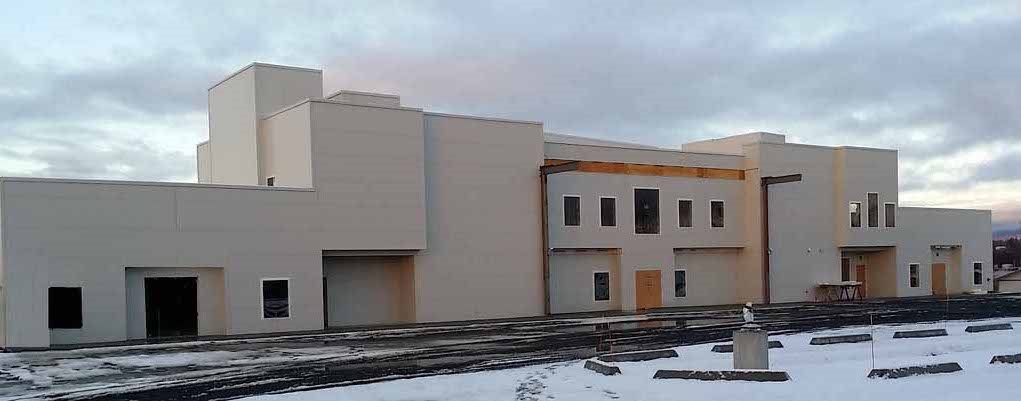
The same 2015 report describes prayer gatherings moving from homes to rented space and then to the Islamic Community Center of Anchorage Alaska. At the time of the reporting, construction continued while the building was already in use. The photograph on this page dates to November 2014; it records an earlier stage, not the building’s current appearance.
The community center’s own account describes a congregation spanning many backgrounds, including Alaska Natives, African Americans, Albanians and people from several Asian and African communities. Its published goals include school space, a library and rooms for community and interfaith gatherings. Those goals should not be counted as completed facilities simply because they appear on a website.
Personal introductions and formal services
Catholic Social Services’ Alaska Office for Refugees page gives a view of the formal support system. It lists employment services, language learning, youth mentoring and help with school adjustment among programs delivered through partner organizations. It also explains that service access begins with eligibility verification and intake.
That distinction helps make sense of the Obeidis’ story. A neighbor can offer an introduction or help someone understand a city; a formal program has its own responsibilities and access criteria. A Muslim family’s work with a Catholic organization does not require treating either institution as belonging to the other.
Follow the history without turning it into a census
The 2015 profile is useful for the named people and the work it describes. Its population estimates are not a current count of Alaska’s Muslims, and its first-arrival claims are not needed to appreciate the family’s contribution. For a broader explanation of how community support relates to resettlement organizations, continue with the guide below.
Follow the story
Explore the original reporting and organizational records:
Selected local stories, not a complete account of the state. Events and figures refer to the periods stated above. Check directly with organizations for current services.