


 History
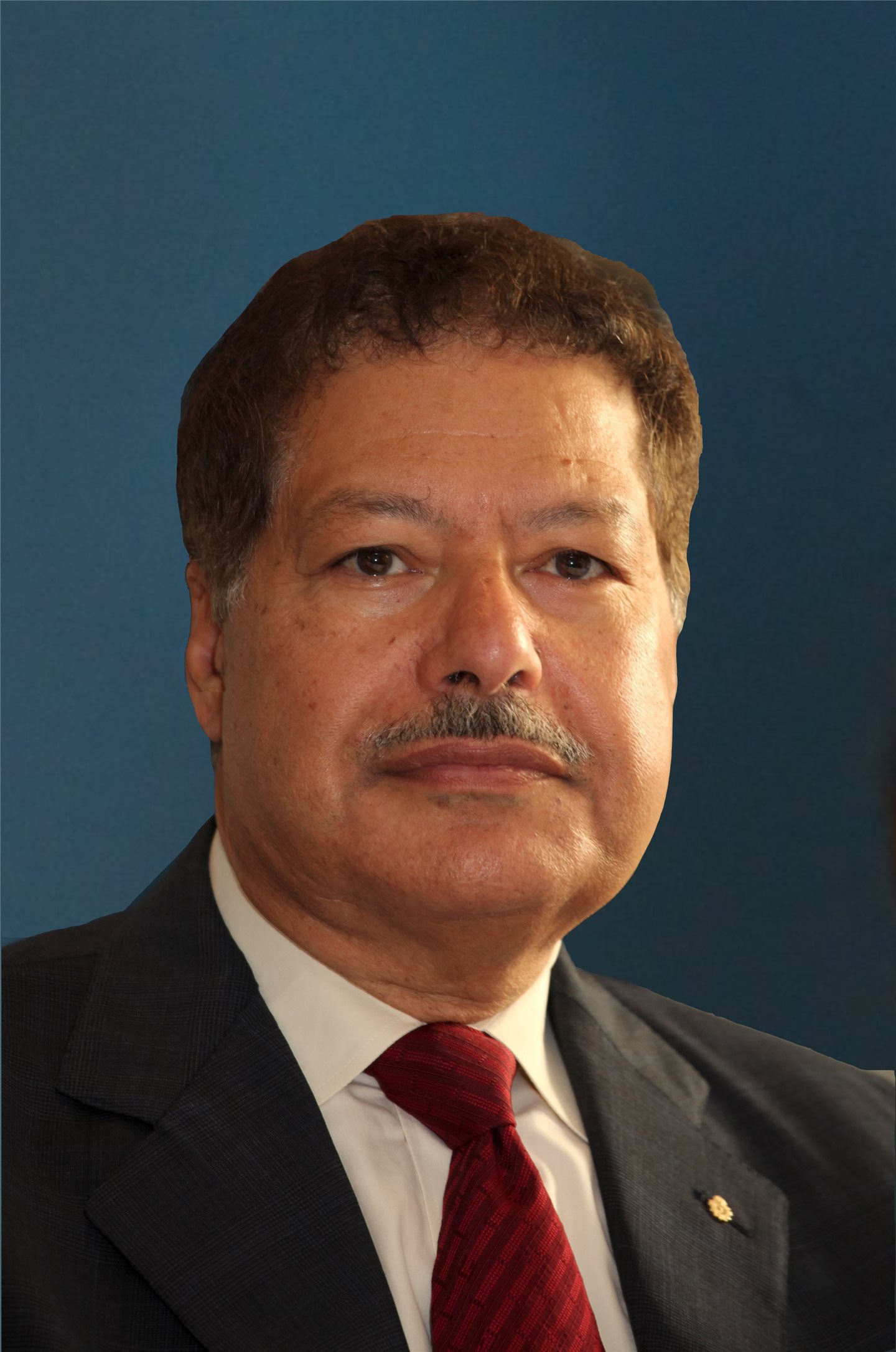
Ahmed Zewail: making chemical change observable
How a Caltech laboratory opened a window onto molecular motion, and why instruments and collaboration matter to the story.
Follow Malcolm X’s family roots, Nation of Islam work, 1964 transformation, and surviving places and records.
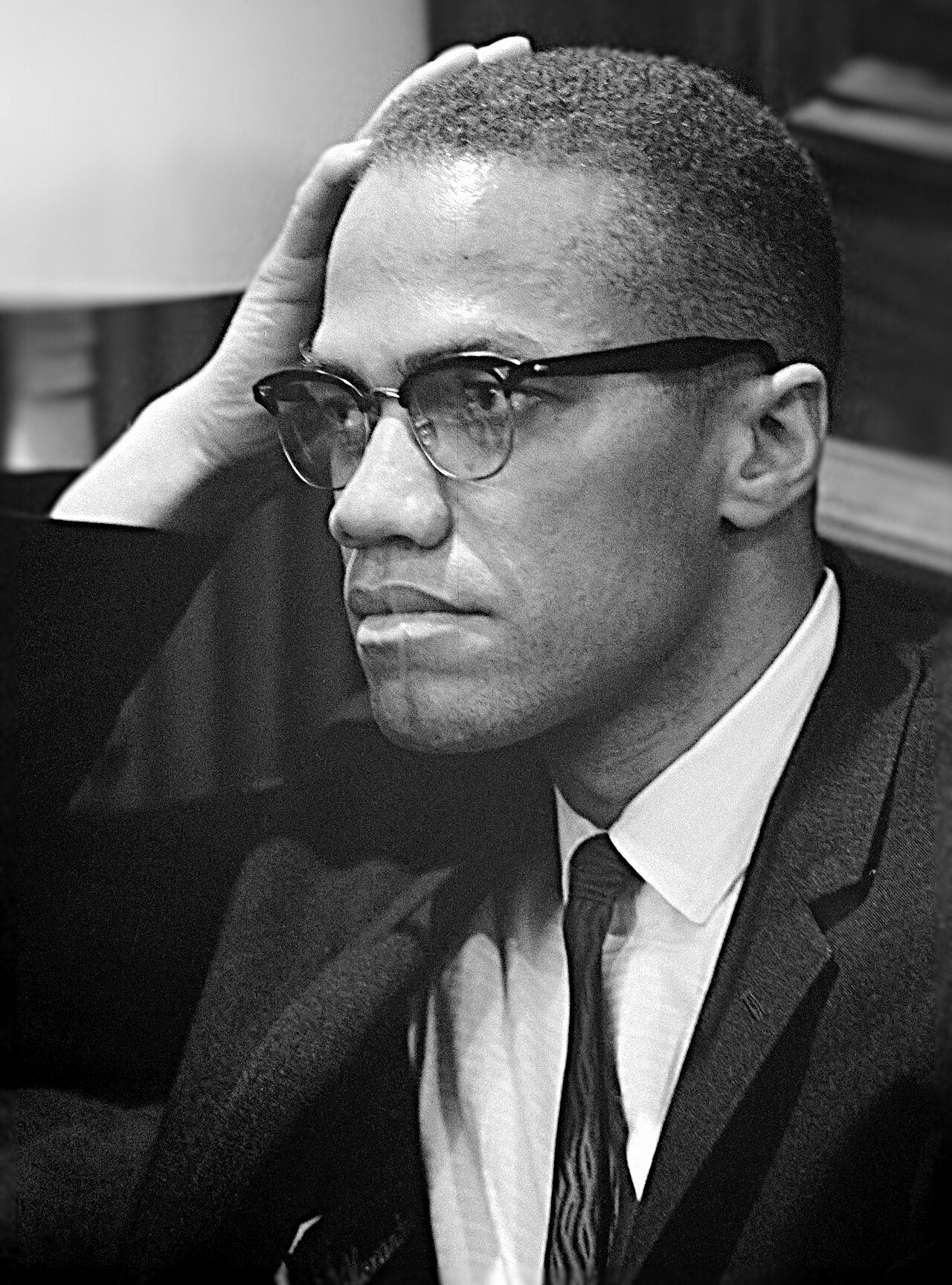
Malcolm X’s life crossed the American Midwest, the streets of Boston and New York, and an international world of political and religious relationships. He was born Malcolm Little in Omaha in 1925 and became one of the twentieth century’s most recognizable Muslim Americans. The familiar photographs of a speaker at a lectern capture only one part of a life shaped by family activism, imprisonment, organizing, marriage, travel, and profound changes of direction.
His parents, Earl and Louise Little, were active in Marcus Garvey’s Universal Negro Improvement Association. The Smithsonian identifies Earl as an Omaha chapter president and Louise as a division secretary. Black self-determination and pride in African history therefore belonged to Malcolm’s childhood environment. His later political vocabulary developed within an existing family tradition. Smithsonian biography
The official chronology records the destruction of the family’s Lansing home in 1929 and Earl Little’s death in 1931. These events preceded the years in which Malcolm moved through urban social worlds that later became central to his autobiography. They help explain why accounts of his political development return repeatedly to the insecurity and violence surrounding his early life.
In 1946 he received a prison sentence and served six years. During imprisonment he became involved with the Nation of Islam. After release, his organizing work brought him to Detroit and then New York, where he became a minister in 1954. The name Malcolm X expressed a rejection of the inherited surname Little and became inseparable from his public identity. Official chronology
The Nation of Islam offered a framework for confronting racism through personal discipline, collective identity, and economic independence. Malcolm became its most prominent public advocate. His skill as a speaker brought its arguments to audiences far beyond the organization’s membership, while the work of local administrators and members supported the expanding institution.
He married Betty Shabazz in 1958. Her training as a nurse and later educational career belong to the history alongside his public activism. Their family life continued under the pressures of travel, organizational demands, and hostility. The Smithsonian preserves accounts from relatives that describe humor, reading, and affection within the household.
Women also contributed directly to Malcolm’s political education. The Smithsonian’s account identifies Louise Little, Audley Moore, Vicki Garvin, and Yuri Kochiyama as important figures in the networks around him. Their conversations and organizing experience connected his thinking with wider movements against racial oppression. This history makes the familiar picture of a solitary male leader inadequate. Women who shaped Malcolm X
One surviving museum object offers a more ordinary perspective on the organization around him: a typewriter used by the secretary of Temple No. 7. It points toward correspondence, scheduling, recordkeeping, and the administrative labor required to sustain a public movement.
Malcolm’s break with the Nation of Islam occurred in March 1964, before his pilgrimage to Mecca the following month. Keeping that order clear matters. The pilgrimage profoundly influenced his outlook, but it did not begin every change in his relationship with the organization.
He established Muslim Mosque, Inc., and developed the Organization of Afro-American Unity as a political project. His international travels widened his relationships with activists and public figures in Africa and the Middle East. The name el-Hajj Malik el-Shabazz expressed another stage in his identity, while his arguments increasingly connected Black Americans’ position with an international struggle for human rights.
These changes were still unfolding when he was killed. His home was firebombed on February 14, 1965. A week later, on February 21, he was assassinated at the Audubon Ballroom in New York. Official chronology
The National Park Service connects his biography with sites in Omaha, Michigan, Massachusetts, and New York. These places trace movement and changing circumstances rather than a single fixed identity. Some preserve buildings; others mark locations where structures have disappeared. National Park Service
The Shabazz Center continues cultural and educational work honoring Malcolm X and Betty Shabazz. Check its current programs when planning a visit. Its focus on both names encourages readers to follow the family’s work beyond the day of the assassination.
Malcolm’s surviving speeches, letters, photographs, and family accounts show a thinker whose positions developed through experience. Reading them in sequence preserves that movement. The changes themselves are central to his place in Muslim American history.
Malcolm’s contribution to American public debate included insisting that Black people should have greater control over their political and economic lives. His changing position is part of that contribution. It should not be flattened into a single quotation detached from its date, audience, and organizational setting. A speech delivered as a Nation of Islam minister and a statement made after the 1964 break belong to different moments.
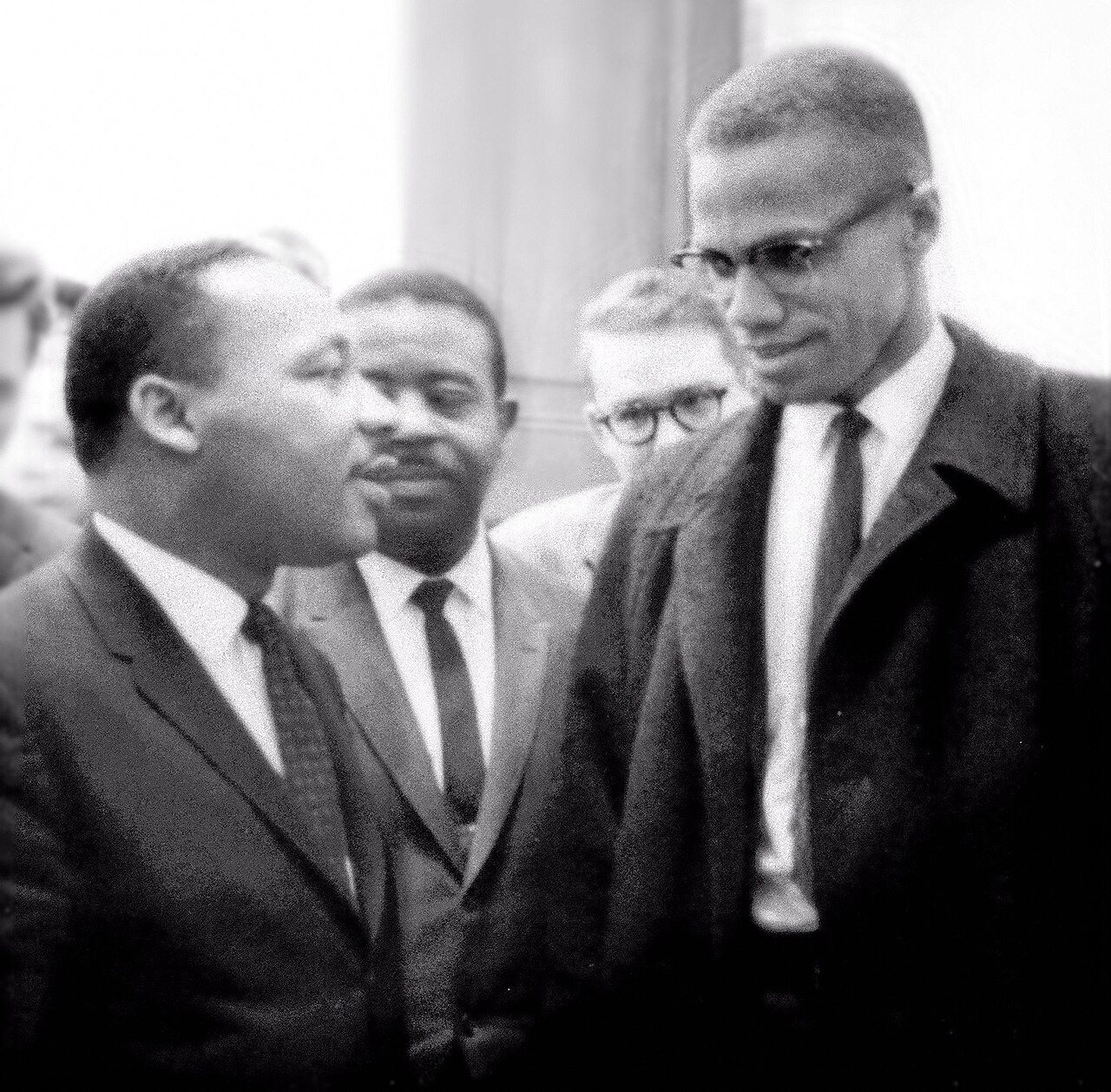
The surviving image of Malcolm meeting Martin Luther King Jr. in Washington is valuable precisely because it places two distinct public figures in the same historical space. It does not establish that their strategies were identical. Read the photograph alongside the documents, rather than asking it to erase the disagreements.
Return to the civil-rights collection for later stories of Muslim Americans challenging exclusion through employment cases, land-use disputes, and surveillance litigation. Those cases used different methods from Malcolm’s organizing, while continuing the larger American argument over equal participation and institutional power.
HistoryHow a Caltech laboratory opened a window onto molecular motion, and why instruments and collaboration matter to the story.
 History
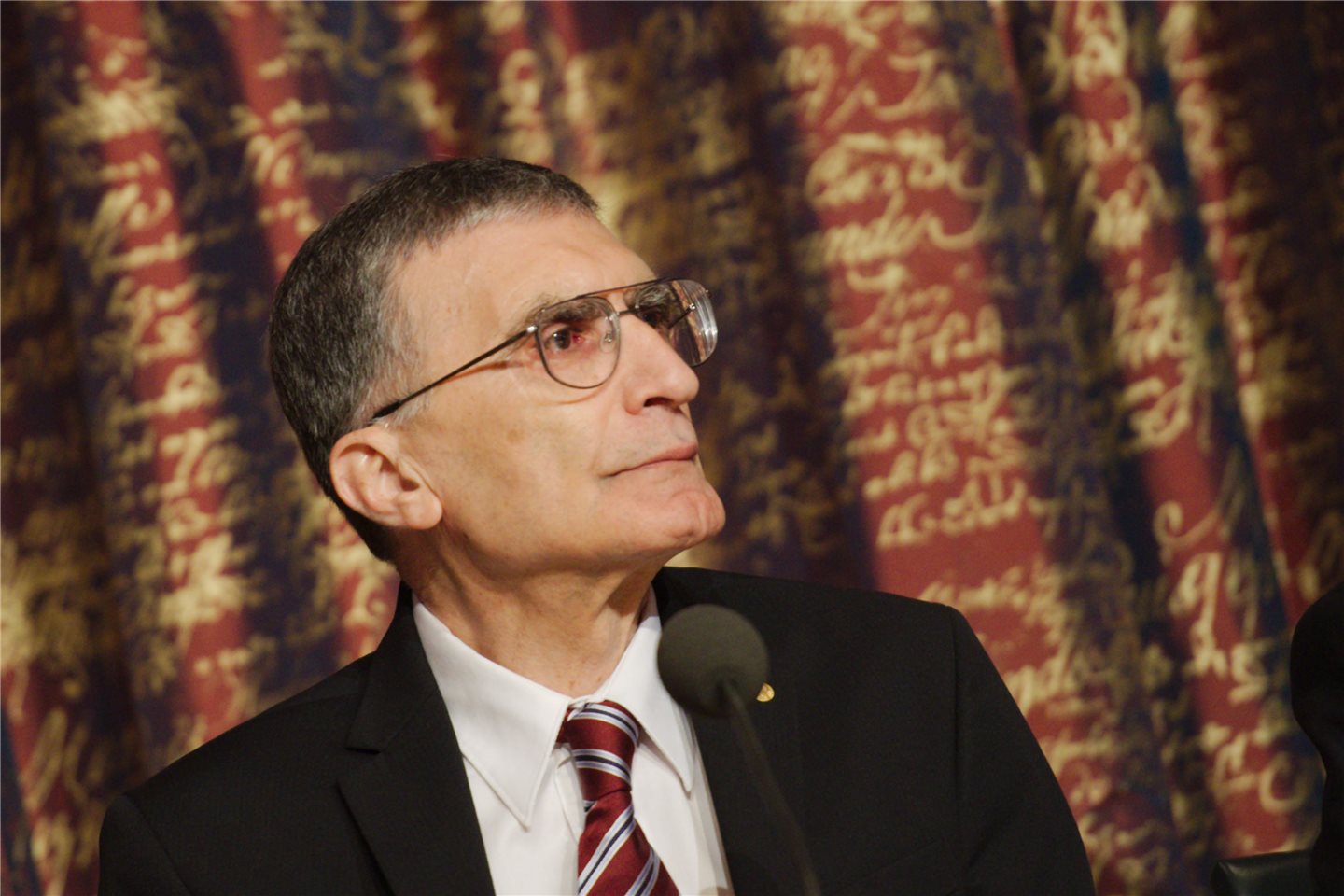
A North Carolina research career reveals how basic science, teaching, and cultural exchange can reinforce one another.
A New Jersey congregation’s zoning dispute produced permission to build and changes to local religious-land-use procedures.