
The Bernards mosque case and the rules for sharing a town
A New Jersey congregation’s zoning dispute produced permission to build and changes to local religious-land-use procedures.
Five histories connect public argument, job access, prison religious exercise, mosque zoning, and challenges to surveillance.
A New Jersey congregation’s zoning dispute produced permission to build and changes to local religious-land-use procedures.
New Jersey Muslim plaintiffs challenged NYPD surveillance and secured a court ruling allowing their claims to proceed, followed by a negotiated settlement.
Holt v. Hobbs tested whether a prison could justify denying one Muslim prisoner a limited religious accommodation.
A Tulsa teenager’s hiring case changed how the Supreme Court explained religious accommodation under federal employment law.
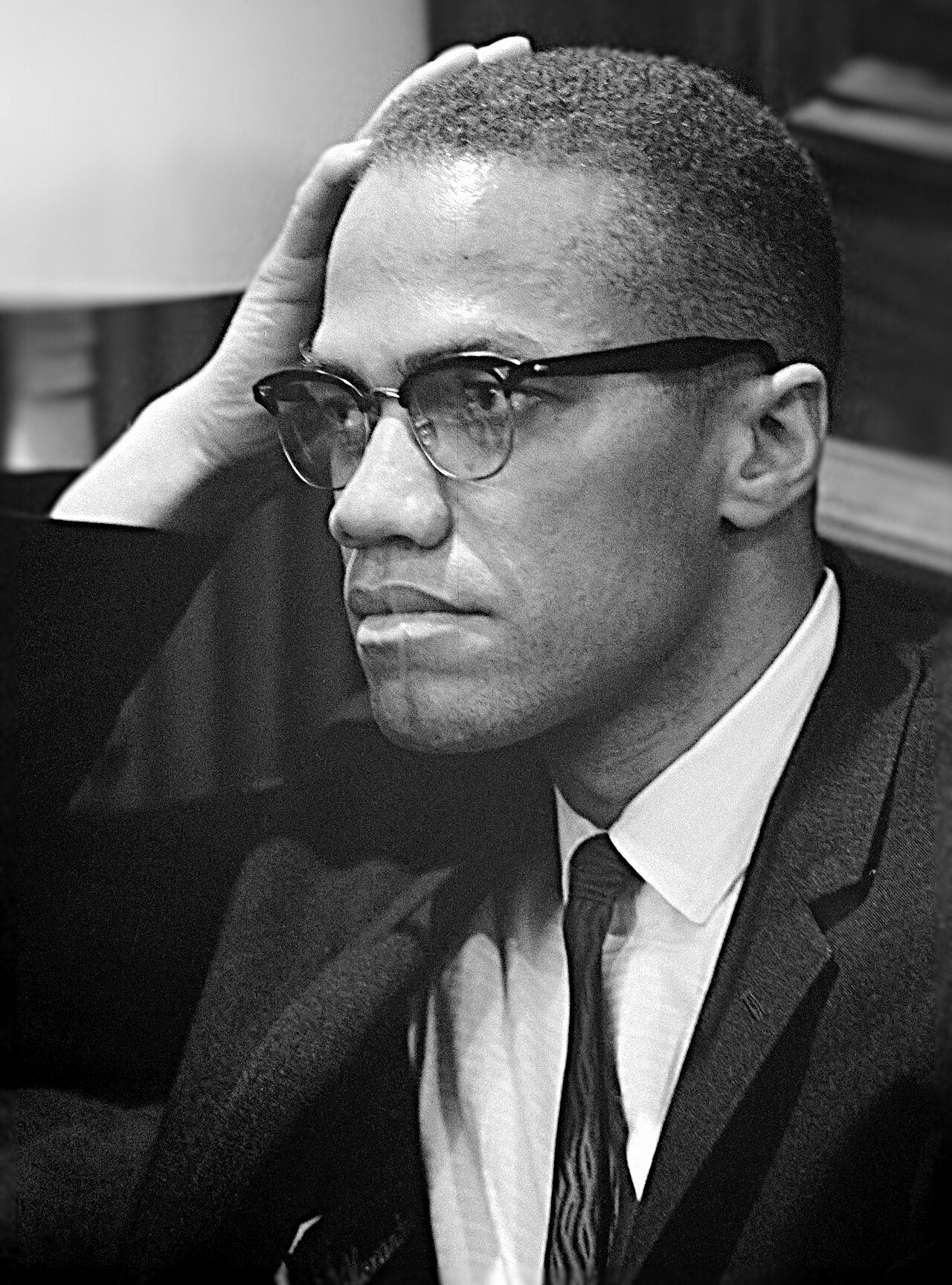 History
Follow Malcolm X’s family roots, Nation of Islam work, 1964 transformation, and surviving places and records.
A right becomes concrete when someone tries to use it. A teenager applies for a job. A congregation asks permission to build. A prisoner requests a limited accommodation. Students and community members challenge a police program. These encounters are different, but each asks an American institution to explain how it treats the people subject to its power.
This collection follows five Muslim American stories in the history of civil rights and public participation. It begins with Malcolm X’s changing political thought and continues through four legal disputes. The subjects did not use one strategy, belong to one organization, or articulate one understanding of faith. Their contributions are best understood through the particular arguments they made and the results that followed.
The legal histories also involve different kinds of outcomes. A Supreme Court decision interpreting a statute is not the same as a settlement changing a town’s procedures. An appellate ruling allowing a lawsuit to proceed is not a completed trial. Keeping those distinctions clear makes the achievements more understandable, not less significant.
Malcolm X’s changing public life traces a path from Omaha and Michigan to New York and an international world of political relationships. His family’s activism, his work in the Nation of Islam, and his break with that organization all belong within the account.
His contribution included a forceful insistence on Black political and economic self-determination. The National Park Service’s historical account places his ideas alongside the sites and circumstances of his life. The story cannot be reduced to a single photograph or a quotation with its date removed.
The year 1964 is especially important. His departure from the Nation of Islam and his subsequent travels marked a period of change that was still unfolding when he was assassinated in 1965. Following that sequence allows readers to see a thinker revising relationships and arguments, rather than treating every statement from his life as interchangeable.
The article also keeps the people around him visible. Family members, women organizers, colleagues, and administrative workers helped shape the world in which a celebrated speaker operated. Public leadership relied on more than the person standing at the microphone.
Samantha Elauf’s hiring case begins in Tulsa with an application to Abercrombie & Fitch. She wore a headscarf to the interview. The employer’s appearance policy and its assumptions about her religious practice became the basis of a dispute under federal employment law.
In 2015, the Supreme Court ruled that an employer could not make a hiring decision motivated by avoiding a religious accommodation simply because the applicant had not explicitly requested one. The EEOC’s account explains the decision and the agency’s role in the case.
The contribution was a clarification of a protection that extends beyond Muslim applicants. A specific experience brought an important question about employment decisions before the Court.
The story is also a reminder of the scale at which exclusion happens. Civil rights are not exercised only during national demonstrations. They are exercised in interviews, applications, and conversations with managers. Following Elauf’s case from complaint to resolution makes the institutional process behind the headline visible.
The half-inch beard case concerns a Muslim prisoner in Arkansas and the Religious Land Use and Institutionalized Persons Act, or RLUIPA. Gregory Holt, also known as Abdul Maalik Muhammad, requested permission to grow a short beard. Prison officials refused.
The Supreme Court unanimously held in 2015 that the refusal violated the statute. The opinion examined the department’s security explanations and alternatives relevant to the limited accommodation requested.
The important question was not whether prison security mattered. It was whether the institution had shown why protecting security required this particular restriction. A general invocation of an important objective did not complete the analysis.
This case belongs in the collection because rights apply in institutions where people have little control over their daily circumstances. Its legal significance does not require turning the plaintiff into a hero. The contribution lies in the test applied to government power and in the precision with which the Court examined the requested accommodation.
The Bernards mosque dispute follows the Islamic Society of Basking Ridge’s effort to build in New Jersey. The Justice Department alleged unlawful treatment of the mosque application and challenged burdens imposed through the township’s zoning rules.
The 2017 agreement required permission for the mosque and changes including training, policies, reporting, and ordinance amendments. The Justice Department’s settlement announcement separates those obligations from the monetary resolution of the congregation’s own lawsuit.
This is a story about the physical conditions of participation. A religious community cannot gather in a principle. It needs a place. Local planning decisions therefore form part of the practical history of religious liberty.
The procedures left behind also matter. Permission addressed the congregation’s immediate project; changes to the rules and training addressed how future applications would be handled. The two results should be considered together.
Hassan v. City of New York concerned Muslim plaintiffs in New Jersey who challenged NYPD surveillance. The case included people and organizations connected to educational, religious, and community life.
After an initial dismissal, the Third Circuit held in 2015 that the plaintiffs had adequately alleged injuries and constitutional claims that allowed the case to proceed. A later settlement set out commitments involving intelligence policies, training, records, and community engagement.
The article distinguishes those results from reforms arising in related litigation. It also follows the practical meaning of a records provision: disclosure, deletion efforts, and restricted archival access were different obligations affecting different material.
The contribution was both procedural and institutional. The plaintiffs preserved their opportunity to challenge the alleged discrimination, then negotiated changes with the city. Their experience makes a broad question tangible: can people participate in ordinary community institutions without religion itself becoming a reason for suspicion?
These histories should not be compressed into a claim that Muslim Americans alone produced the protections at issue. Lawyers, agencies, judges, community organizations, and allies appear throughout the records. The contribution is participation in that larger work, often through the persistence of people directly affected.
Read the collection by comparing institutions. A retailer, a prison, a town, and a police department exercise different powers. Each case asks what that power permits and what limits apply. Malcolm X’s public arguments operate on another level, pressing questions about who controls political and economic life.
Together, the stories show civil rights as continuing work carried out in specific settings. The most useful details are often modest: a rule undisclosed at an interview, a half-inch measurement, a zoning category, or a provision governing records. Those details explain how a general promise becomes a decision that changes someone’s life.
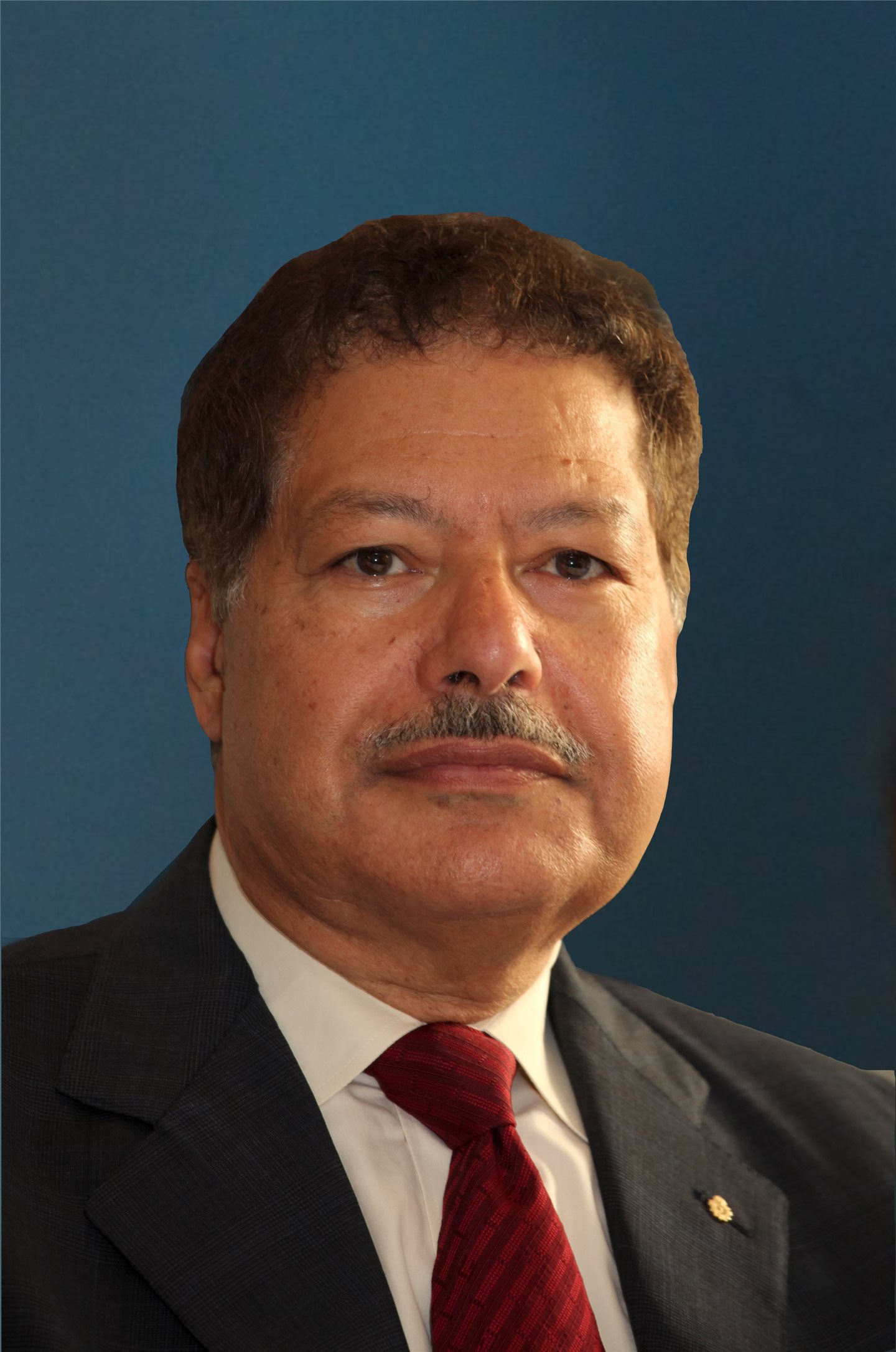 History
How a Caltech laboratory opened a window onto molecular motion, and why instruments and collaboration matter to the story.
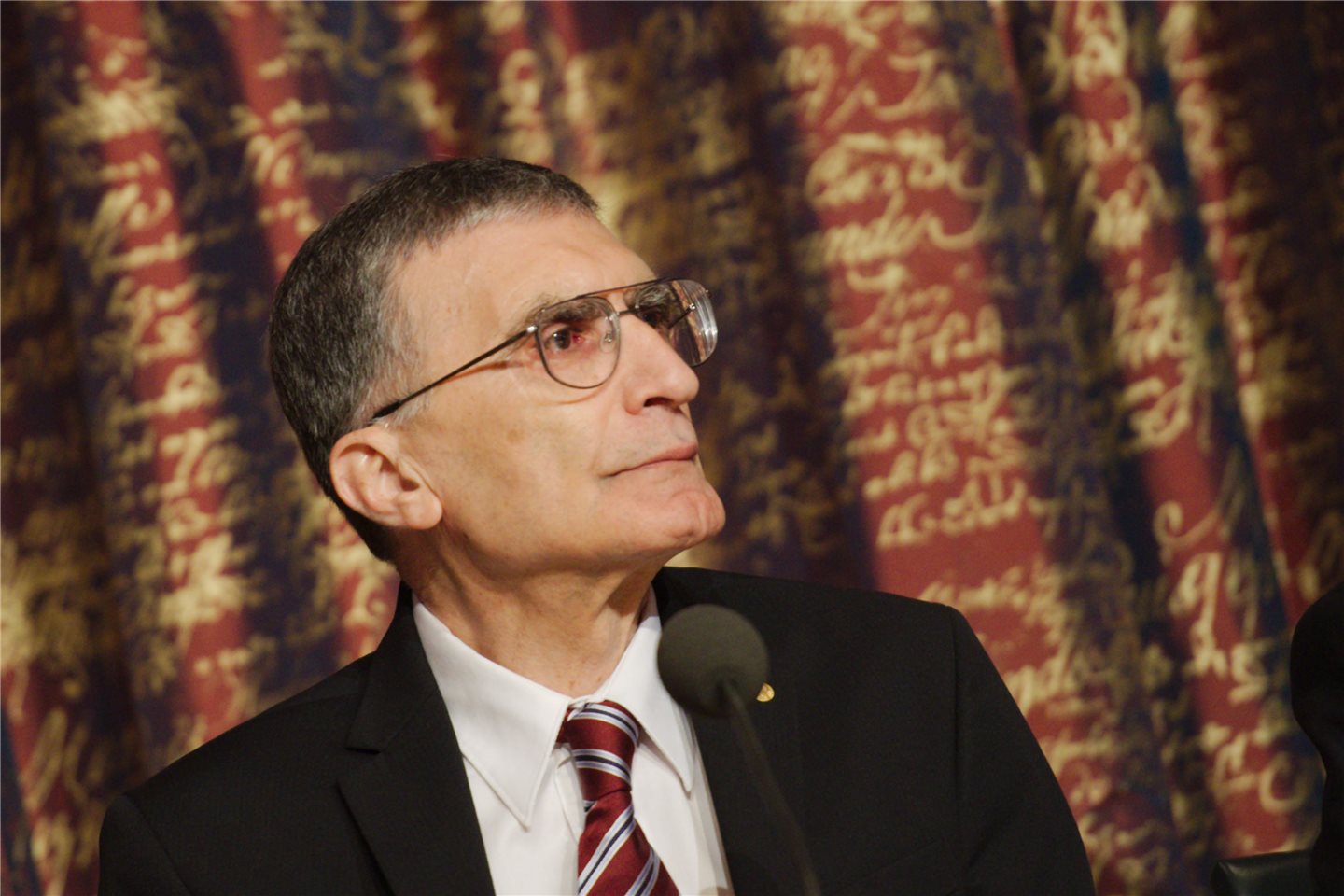 History
A North Carolina research career reveals how basic science, teaching, and cultural exchange can reinforce one another.
A New Jersey congregation’s zoning dispute produced permission to build and changes to local religious-land-use procedures.