

Planning an accessible mosque visit
Ask about the full route, communication support and program arrangements, using concrete information from MUHSEN and local visitor pages.
Prepare an educational visit with clear goals, an agreed program, and useful follow-up work.
A group visit begins well before the bus or carpool reaches the building. The organizer needs to agree on the purpose, the age and size of the group, the host, and what participants will do. A clearly arranged visit gives a mosque time to prepare and gives teachers or group leaders a way to connect the experience with their wider program.
ING’s Islamic Speakers Bureau offers educational presentations for schools, universities, community organizations, and other audiences. Its materials provide one example of structured education about Muslim Americans. A local mosque may have its own outreach team or prefer to work with an educational partner. Ask which arrangement it can support. ING educational presentations
Choose a focused learning goal. Students might explore how a community uses a building, how local institutions develop, or how people describe their own experiences. A goal that connects to a place and its people is easier for a host to address than a request to cover every aspect of Islam in one session.
Tell the host what the group has already studied and which terms may be unfamiliar. Share any planned assignments. If students will write articles, record interviews, or take photographs, explain the intended audience and ask for agreement. The host should be able to decide what access and participation are appropriate for that purpose.
Confirm the date, arrival window, duration, number of participants, and supervising adults. Ask where the group should gather and who will meet it. Establish whether the visit includes a tour, discussion, or observation. A short written schedule helps both sides understand what can realistically fit.
Use the accessible-visit planning guide to ask about access needs early. Explain the route, seating, communication, or quiet-space arrangements that would help participants. Share necessary information through the appropriate school or organization process. A group leader should check the practical plan without requiring participants to explain private circumstances in front of the whole group.
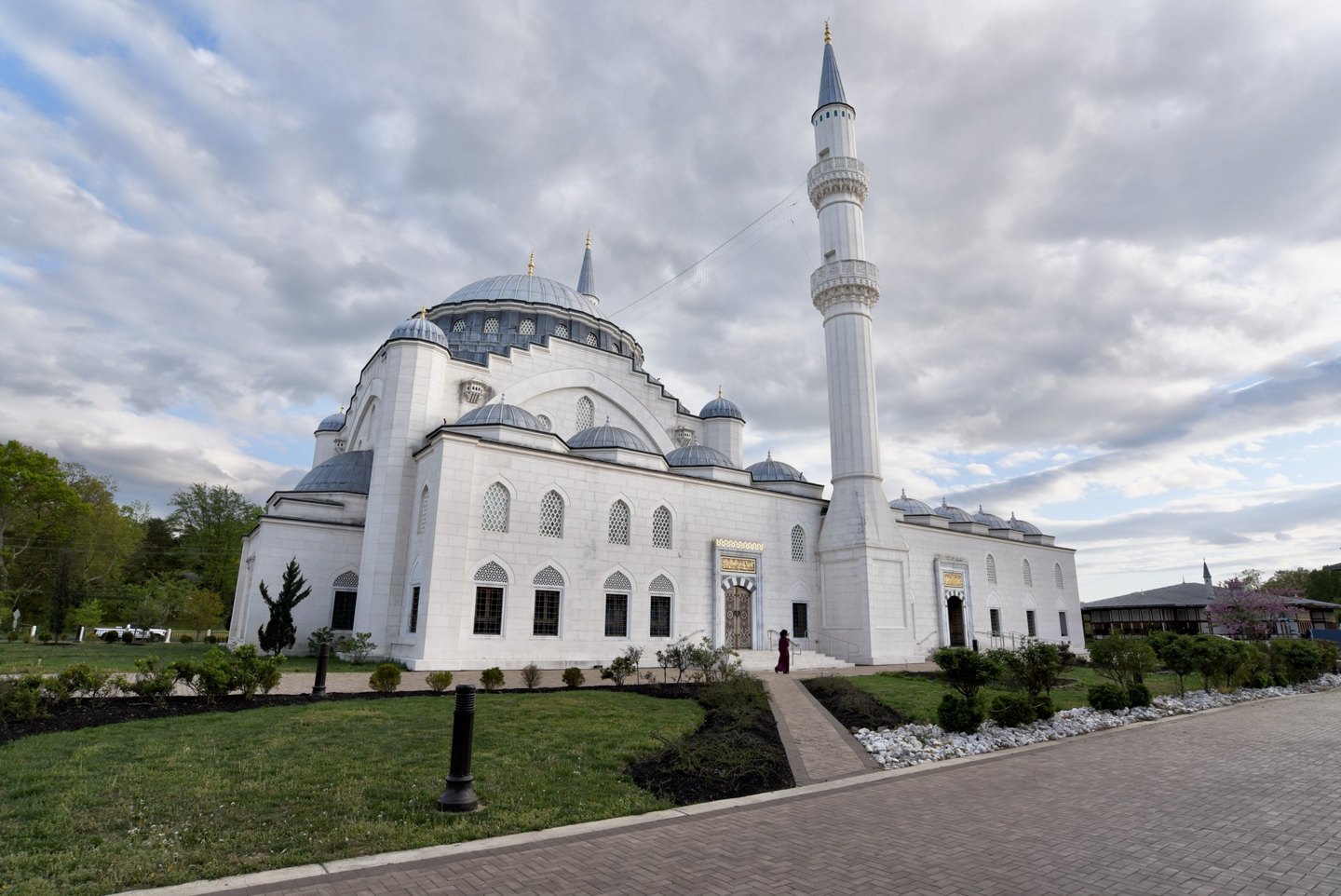
Diyanet Center of America’s tour page offers a concrete model in Lanham, Maryland. Its group route is for ten or more visitors, and the center says it can tailor a tour to the participants’ ages and interests. An architecture-focused class could request attention to the courtyard, prayer hall and calligraphy rather than an all-purpose introduction.
The center describes tours as typically about an hour, with some school and community visits extending longer. Its booking request asks for the organization, participant count and accommodation needs. Treat a submitted request as the start of coordination: agree the route and duration with the host before finalizing transport.
That example is useful even for a group going elsewhere. Send a short brief stating who is coming, what they want to learn and what arrangements they need. Then use the host’s reply to shape the visit.
Read the host organization’s own history and visitor information. Invite students to develop questions connected to what they have read. Encourage questions that a person can answer from experience, such as how the building is used during the week or what brought volunteers to a particular project.
Discuss how an individual account relates to a wider community. A speaker can describe their own experience and the institution they represent. Other Muslims may have different backgrounds and perspectives. Students should be able to record a specific answer without turning it into a statement about every Muslim in America.
Share the practical instructions the host supplies about arrival, clothing, shoes, movement through the building, and photography. Explain what students can expect to observe and which parts are optional. Use the host’s event-specific wording so that the visit is presented accurately.
Give participants a way to ask a question privately before the trip. A student may be uncertain about the setting or need help with an access issue. Handling those questions in advance can make the visit more comfortable and allow the group to use its time with the host well.
During the visit, note the name and role of speakers, the date, and the context of important statements. Distinguish a direct quotation from a paraphrase. Ask permission before recording. If a speaker refers to a document or historical date, request the source or a follow-up link rather than relying only on memory.
Photography should follow the agreement made with the host and participants. A building detail or an approved group image may be enough for a school report. Avoid treating people at an ordinary community activity as background material for an assignment. Respect areas outside the tour route and moments the host asks the group to observe quietly.
Ask participants to identify something they learned, a question that remains, and the evidence supporting their account. Compare those observations with the sources read beforehand. This helps the visit become part of an inquiry rather than a collection of impressions.
Send a brief thank-you and any agreed questions to the host. If the group publishes a report, check names and factual details and provide the promised copy or link. For the next visit, retain a practical record of the arrangement and improvements. A respectful, well-prepared group makes it easier for a local institution to welcome another class or community organization in the future.
Ask about the full route, communication support and program arrangements, using concrete information from MUHSEN and local visitor pages.
ING’s classroom programs made public education a practical route for Muslim Americans to address misunderstanding.
Find current student contacts and campus spaces without relying on old social posts.