
 Art
How to Explore Islamic Art in Cleveland’s Open Collection
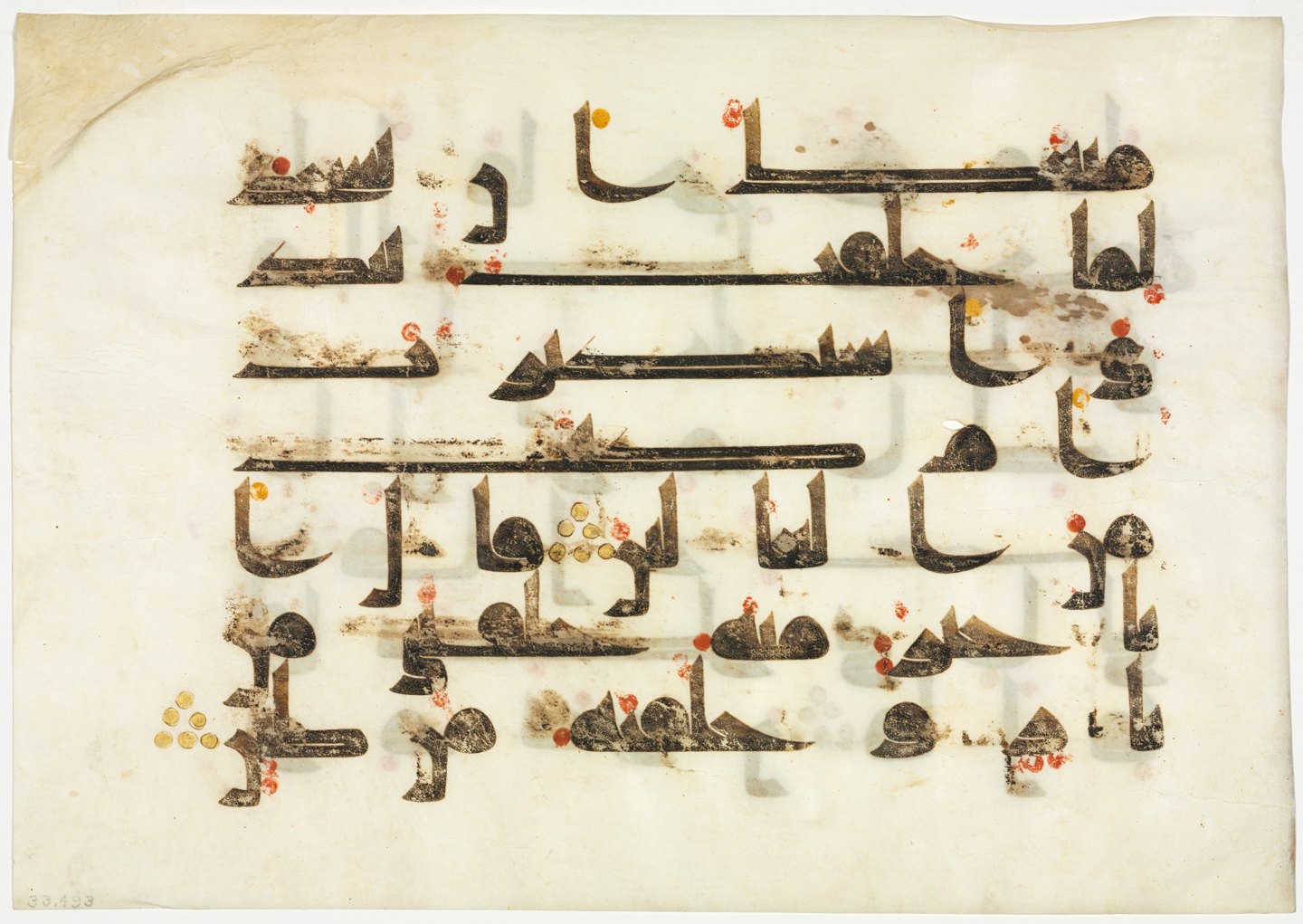
A close-looking guide to a Qur’an folio and luster ceramics, using Cleveland’s public collection records.
Connect Newark’s collection history with locally produced film and community memory through documented museum programs.
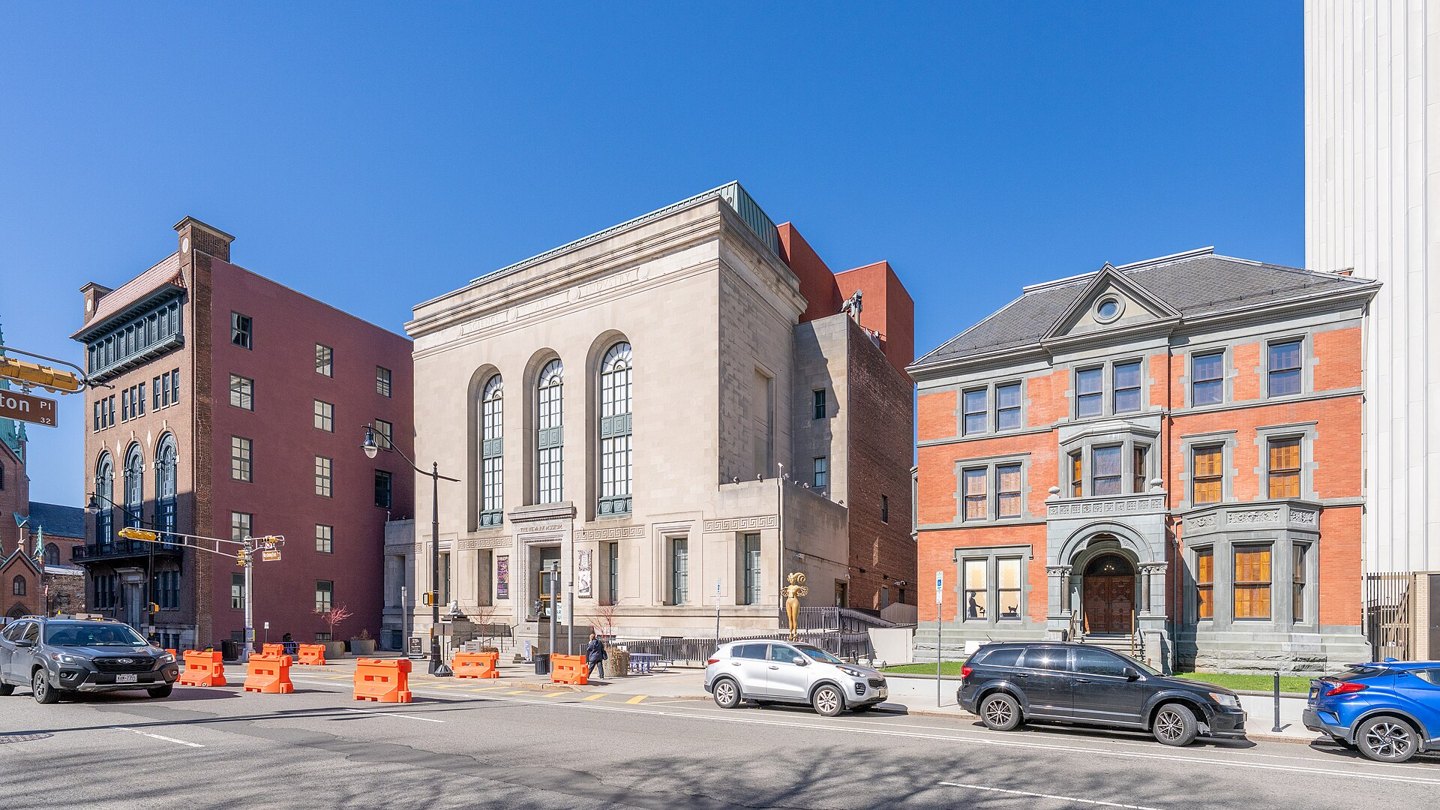
A Newark casket maker’s work and a photograph by Lalla Essaydi offer two very different starting points at the Newark Museum of Art. The museum’s archived Muslim Voices of Newark program included the documentary Two Gods; its traveling exhibition Wondrous Worlds included contemporary photography alongside older objects. Together, these records show how a museum can connect Islamic art with stories made in its own city.
Start with the museum’s Islamic Art collection page, which directs readers to collection highlights. Use the current visitor information to establish what is available in the galleries. A collection category, an archived exhibition, and a one-day program are different kinds of records and should be read on their own terms. Collection starting point
The museum’s archived account of Wondrous Worlds describes more than one hundred works across roughly fourteen centuries. It specifically emphasizes Southeast Asia and East and West Africa, alongside historical, modern, and contemporary material. The listed media range from textiles and ceramics to photography.
The museum identifies the exhibition as a past traveling project and records stops in Houston, Vermont, Phoenix, Tulsa, and Atlanta. It is no longer available to travel. Its value today lies in the questions raised by its scope, rather than a promise of a current display. Exhibition archive
For a reader building a personal introduction to Islamic art, those geographic choices offer a productive challenge. Look at which regions appear in your existing reading or museum visits. Which places have received little attention? Choose a specific object from an underrepresented region and follow its catalog history.
Avoid assuming that wider geography automatically produces a complete account. An exhibition still represents a selection made at a particular time. Reading its curatorial framing makes the selection visible.
The Carlos Museum's archive of the 2021 Wondrous Worlds tour names contemporary artists represented in Newark's exhibition: Rachid Koraichi, Victor Ekpuk, Hassan Massoudy, and Lalla Essaydi. Essaydi's Harem #1 is dated 2009 and described as a chromogenic print mounted to aluminum. Its inclusion matters because it prevents the survey from ending with a historical ceramic or carpet. Photography belongs in the conversation about art associated with Muslim cultures too.
The same exhibition brought together early twentieth-century Egyptian applique tent hangings and a Moroccan hospitality setting with a Rabat carpet, leather cushions, a wooden screen, and metal tableware. Together these examples move the subject beyond isolated masterpieces toward interiors, daily use, and the arrangement of objects around people. They are documented examples from a completed exhibition, not a checklist of what is currently on Newark's walls. Use the archive to identify artists and media for a more targeted collection search. Source
The museum’s Muslim Voices of Newark page documents a past event organized with Express Newark’s Community Media Center and Scribe Video Center. The program combined screenings, discussion, and performance and marked the launch of a community history project.
The event included Two Gods, a documentary by Zeshawn and Aman Ali set in Newark, following a Muslim casket maker and ritual body washer and his relationships with two young men. The film follows particular relationships rather than offering a survey of Newark’s entire Muslim population. Program archive
A viewer can ask who tells the story, which relationships organize it, and how the city becomes visible through work and everyday movement. Those questions connect documentary film with the museum’s other forms of interpretation.
If you want to see the film, locate a current authorized screening or distribution source. An old registration link is evidence of the previous event, rather than a dependable way to watch today.
A museum listing for a Palestinian tatreez embroidery workshop provides another connection between historical interpretation and making. The program describes an introduction to embroidery’s history and meanings. Check whether a new session is scheduled before planning attendance. Workshop listing
For any craft workshop, ask what participants will make, which materials are supplied, and whether the session suits beginners. Keep the instructor’s explanation of a motif or practice attached to that instructor and context. Regional traditions and individual makers deserve more precise treatment than a generic “Islamic pattern” label.
Use the museum’s official pages for current access, exhibitions, and public programs. Choose a gallery question and a community question before arriving. The first might concern a textile’s material or provenance. The second might concern how local people record and share their own histories.
Keep notes that distinguish a museum label, an artist’s statement, and your personal response. Each provides a different kind of evidence. Save titles and dates so a future reader can locate the exact exhibition or program you mean.
This approach gives a Newark visit continuity. Historical objects can lead to a film, a film to a community project, and a workshop to the work of a living maker. The links become strongest when they remain specific to the people, records, and places involved.
ArtA close-looking guide to a Qur’an folio and luster ceramics, using Cleveland’s public collection records.
 Art
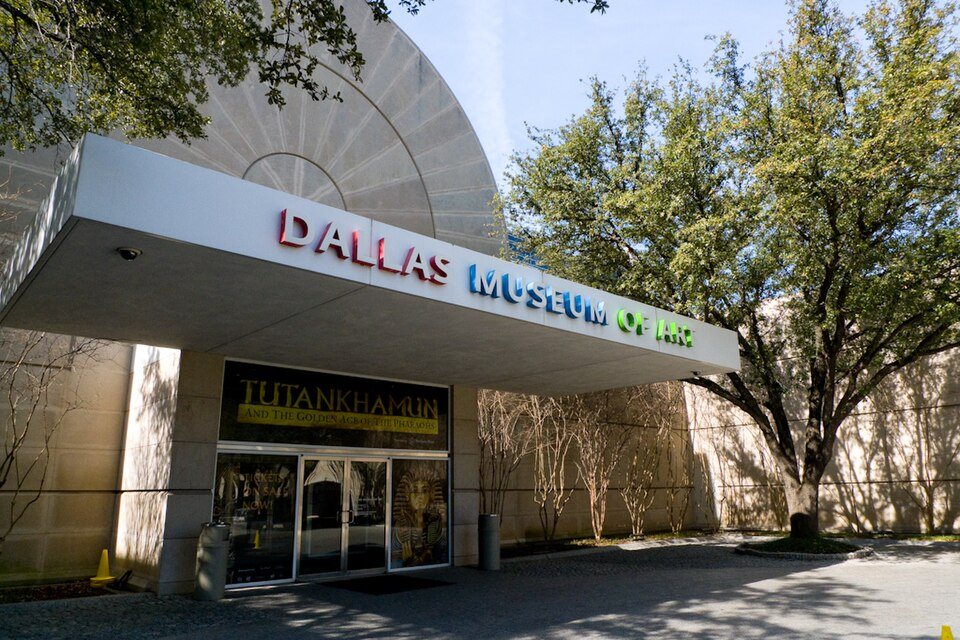
Explore rock crystal, metalwork, manuscripts, and textiles through the Dallas Museum of Art’s Keir Collection records.
 Art
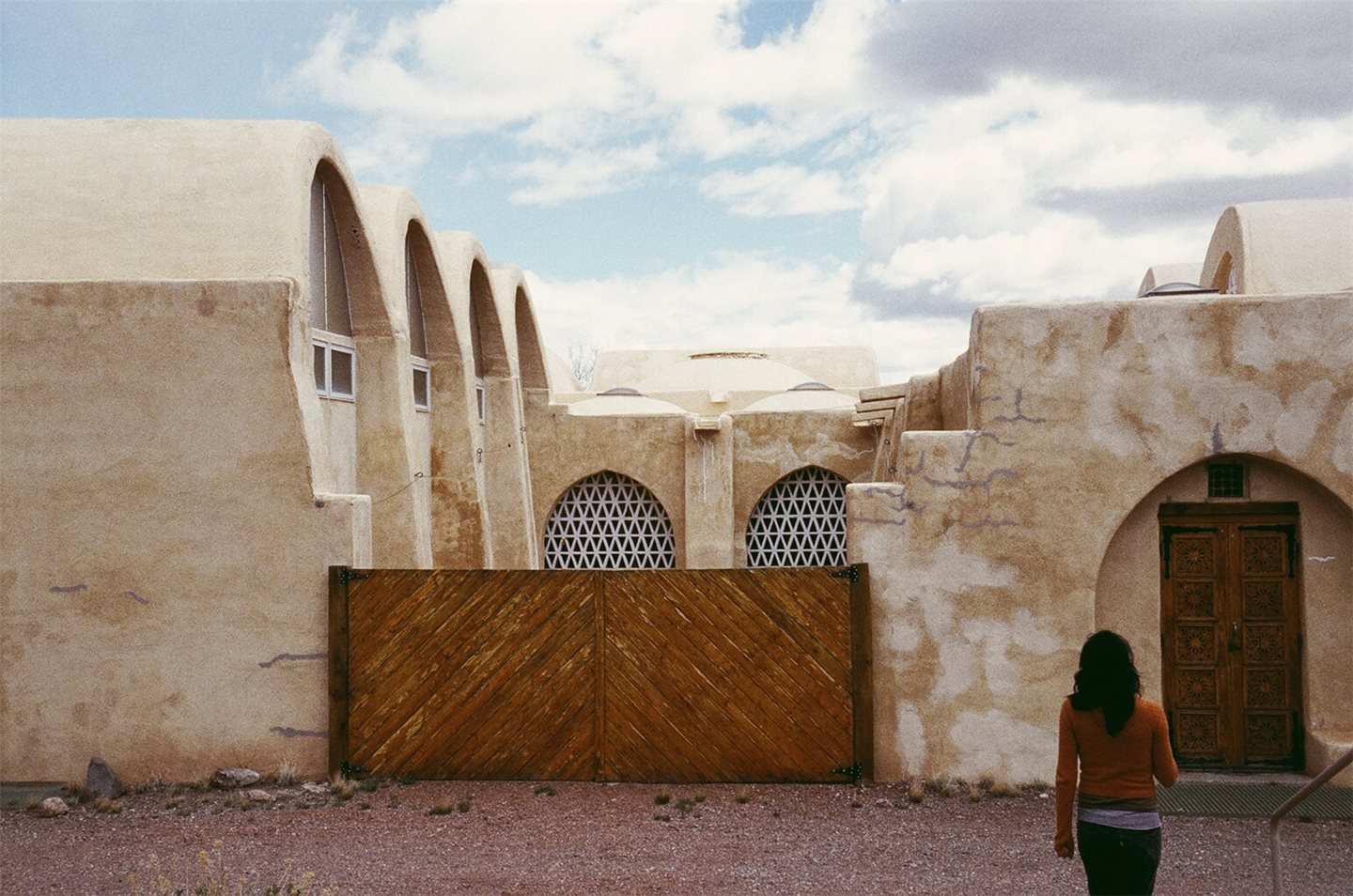
Hassan Fathy’s New Mexico mosque connects Muslim community-building, earthen construction, and a changing vision for life in the American Southwest.